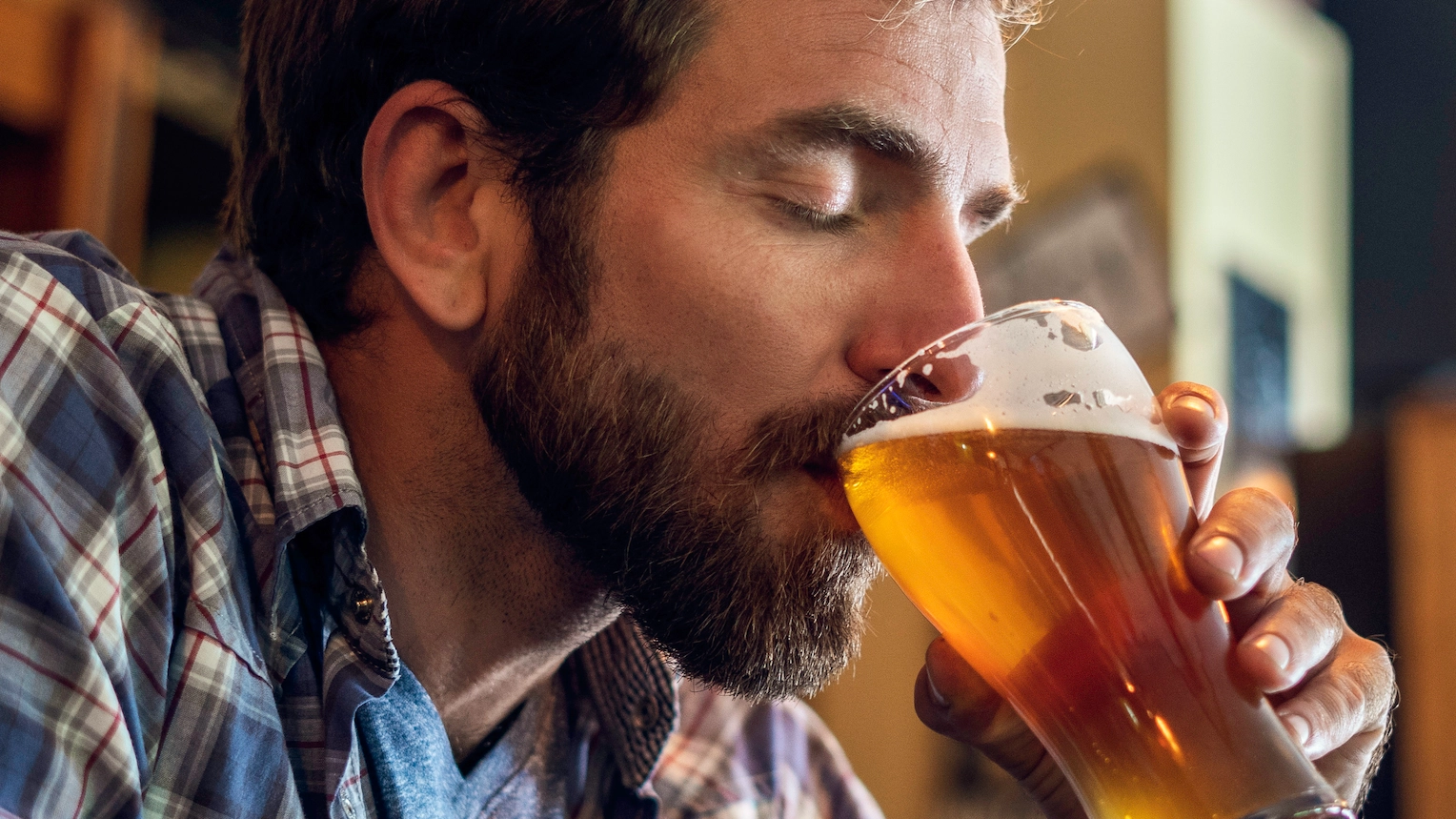
Celebs admit to trying new health trend 'California sober' as alternative to Dry January

A trend known as 'California sober' is quite possibly gaining traction in the UK, as officials remind us against of certain illegalities.
Celebrities like musician Billy Idol and TV host Andy Cohen have previously labelled themselves with the tag as an alternative to doing Dry January.
“I’m California sober, yes… I’m California sober… For the month of January, and maybe a little beyond,” Cohen said on Live with Kelly and Mark.
Idol told People magazine in 2024: “I’m, I suppose, ‘California sober.’ I just tell myself I can do what I want, but then I don’t do it… I can have a glass of wine every now and again.”
Advert
He credited a 1990 motorcycle accident as a turning point that led him away from addiction.
But as reported by journalist Eleanor Mills for The Independent, California sober is supposed to be when someone gives up the booze for the month of January and, instead, takes cannabis and/or 'micro-doses of psychedelics', which is legal in some US states.
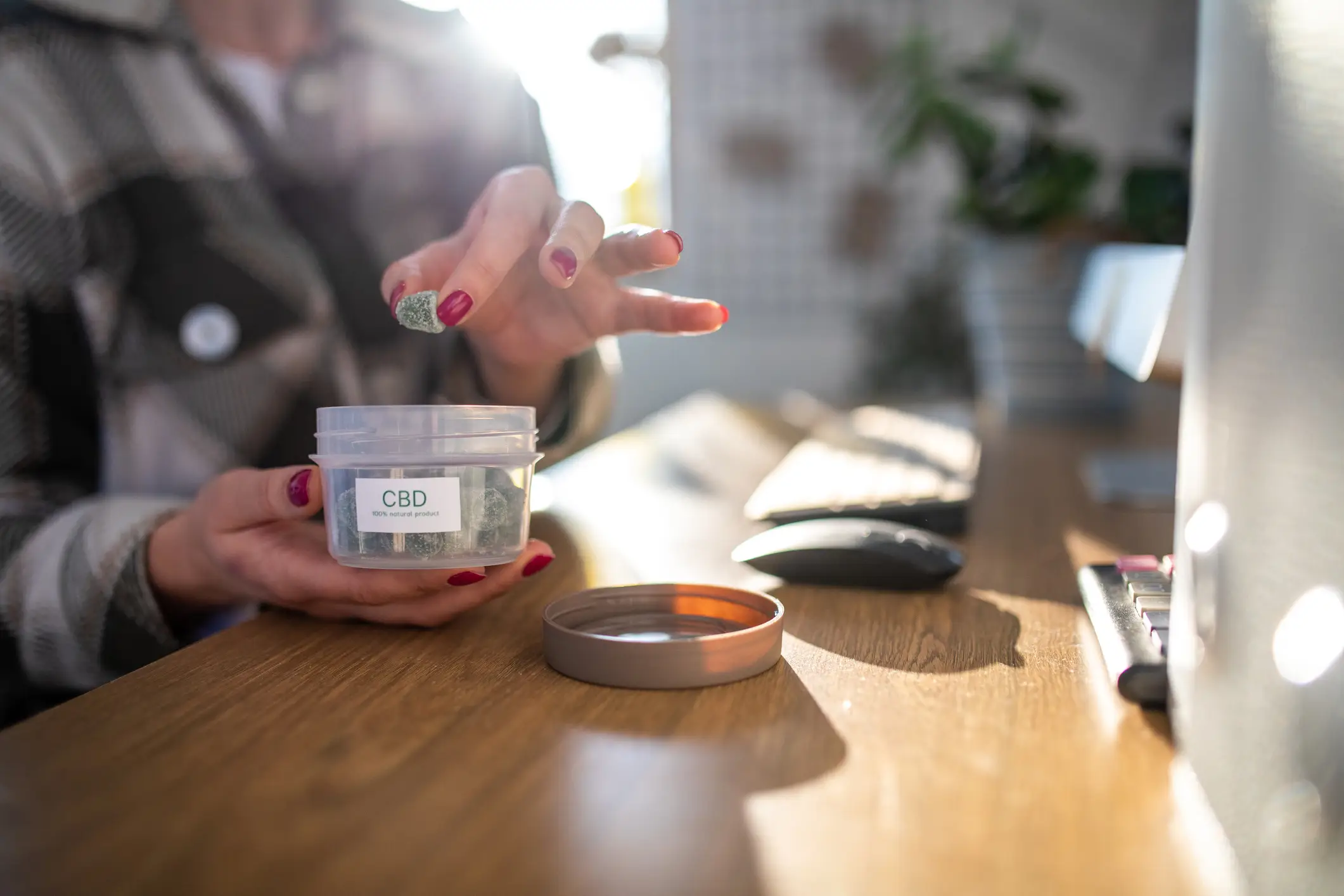
"The California sober approach was originally rooted in a lifestyle choice in LA for those cutting down on drinking while still using marijuana or cannabis edibles," she explains.
"Celebrities such as Fiona Apple and Demi Lovato have both admitted to being California sober and, according to US publication The Hill, cannabis is seen as a better fit for the Cali wellness-oriented lifestyles.
"In LA, cannabis is fully legal for adults 21+ and sold in licensed dispensaries, regulated like alcohol."
Mills acknowledged that the 'California sober lifestyle is trickier in the UK because cannabis and psychedelics are illegal, but trends often migrate from the US to the UK'.

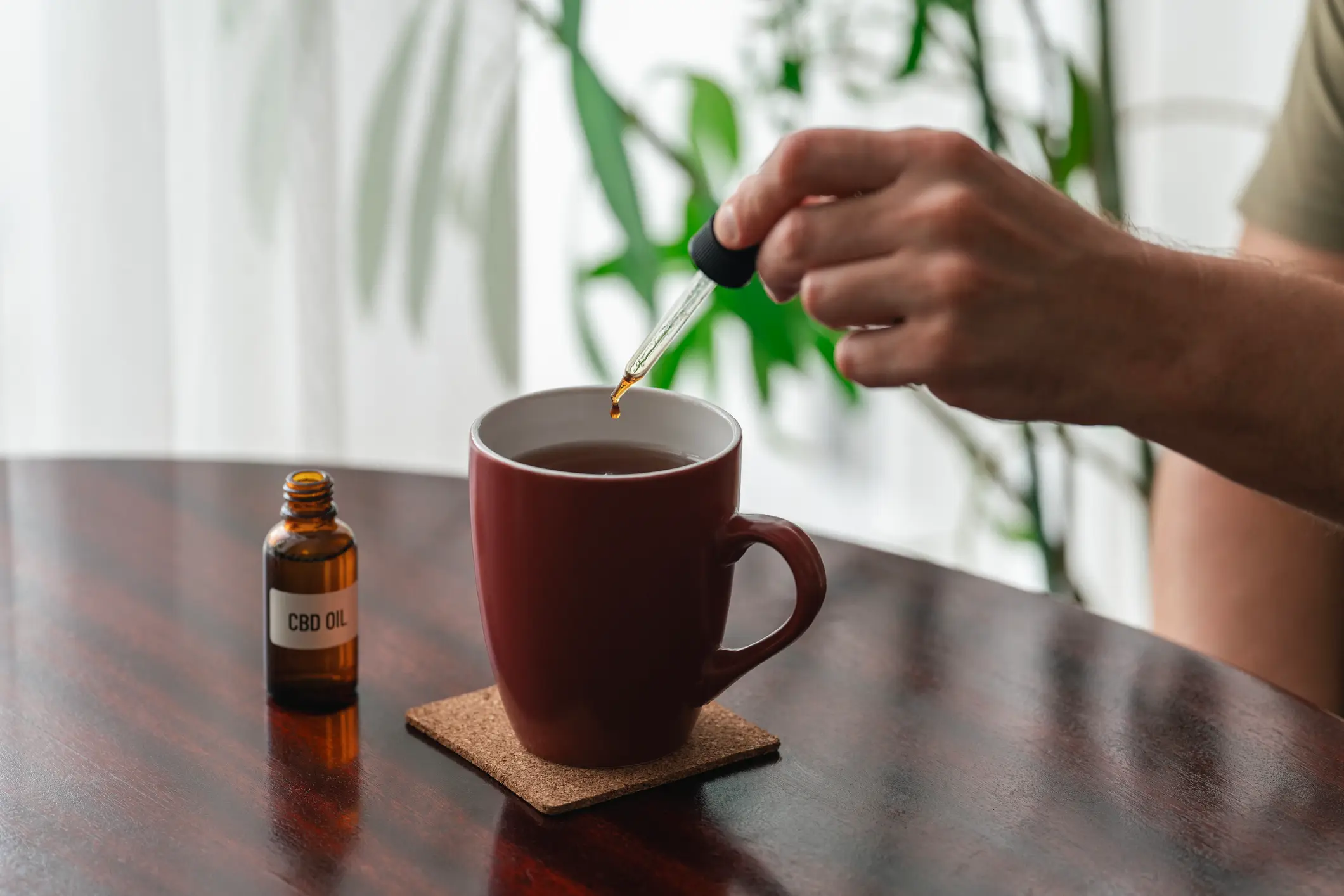
"Whether they are taking CBD, herbal relaxants like valerian and ashwagandha, or dabbling in non-psychoactive mushroom products like Lion’s Mane or herbal gummies, the alternative high market is booming," she added.
"In the UK, CBD gummies are now widely available in shops like Boots and Holland & Barrett, but legally must contain less than 0.2 per cent THC (the main psychoactive compound in cannabis)."
The Department of Health and Social Care, meanwhile, has warned against taking 'any illegal drug use, including cannabis' because of 'the immediate side-effects and long-term physical and mental health problems'.
2.3 million adults between the ages of 16 and 59 had used cannabis in 2024, according to the Office for National Statistics (ONS).
The illegal Class B drug releases many chemicals into the body, including the psychoactive compound THC.
When you smoke weed, THC spreads quickly to the brain via the lungs and over a long-term period, it can lead to deficits in attention, learning and memory.
On how people become addicted, NIDA director Dr Nora Volkow explained: “There are people [whose genetic susceptibility is] so powerful [that it] can overpower resilient environments, making them liable to addiction.
“There are environments that are so stressful and adverse that [they] can make people vulnerable to become addicted, even though they don’t have the genetic [susceptibility].”
 Anish Vij