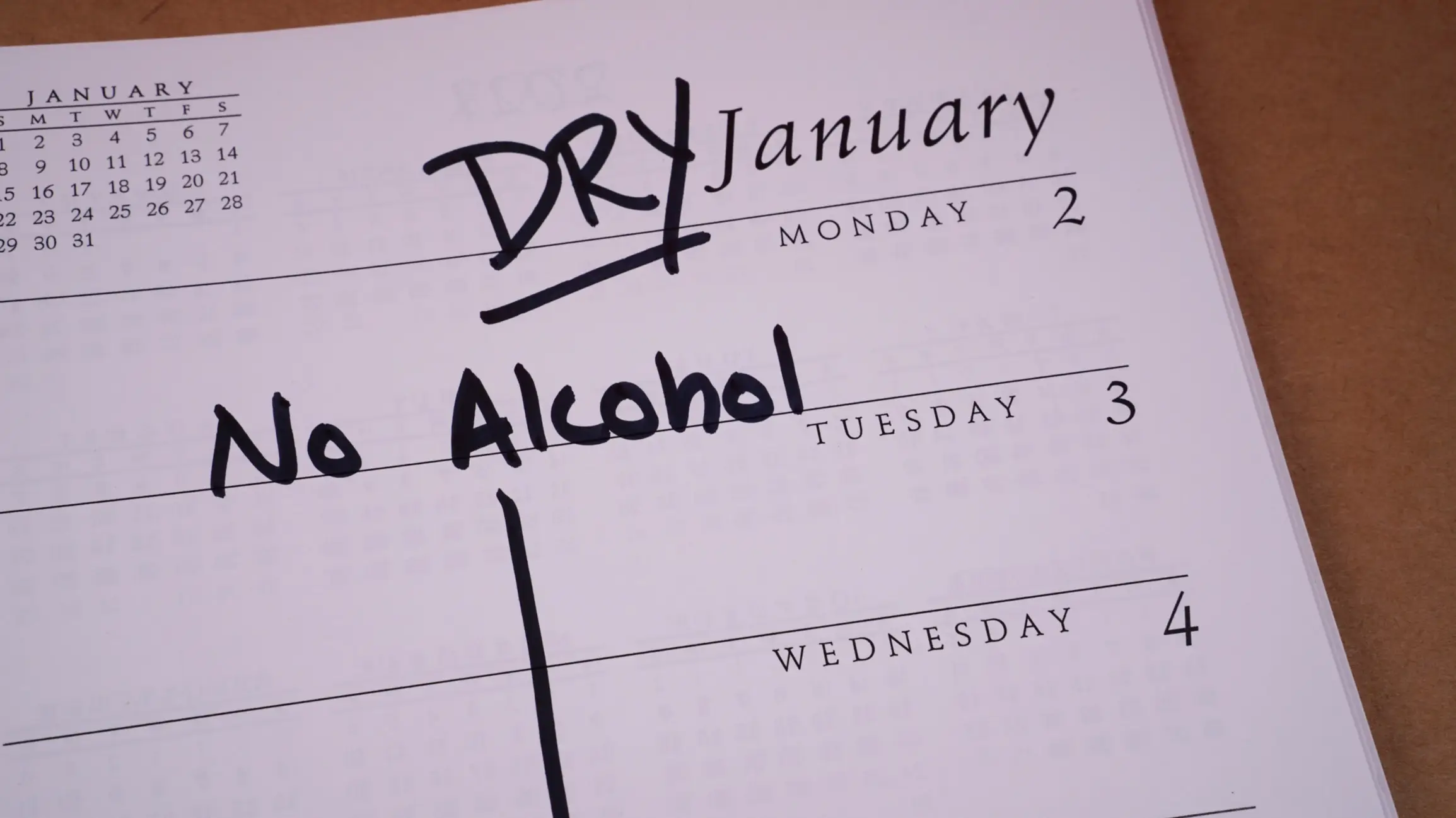
Experts reveal all the long term benefits for your health after doing Dry January

Health experts have shared the long-term benefits associated with cutting out booze during Dry January.
We're mere days away from seeing in the New Year, which means taking down your Christmas decorations, setting a bunch of new resolutions and atoning for all the eating and drinking you've enjoyed over the past couple of days.
Now I know January isn't a particularly enjoyable month of the year, but stick with us on this one, as going 31 days without alcohol could be very beneficial for your mental, physical and long-term health.
What are the long-term benefits of Dry January?
Originally a campaign started by Alcohol Change over a decade ago, Dry January is pretty simple – go a month without drinking.
As well as the obvious short-term benefits associated with Dry January, such as saving money and improved liver function, the month can kick-start some healthier long-term behaviours.
Advert
A 'reset' of your relationship with alcohol
Going a month without reaching for your favourite tipple allows people the chance to reassess how they consume booze, with statistics from Alcohol Change noting that participants often report an improved relationship with drinking over the following months.
Meanwhile, Southwestern Medical Centre adds that an extended break from alcohol means the body is less reliant on drinking to trigger dopamine production, allowing you to make more clear and informed decisions about drinking.
Better habits
It's no joke that a pretty heavy night will lead to a nasty hangover the next day, which often sees people spending hours lying around in bed and stuffing junk food down their throats while waiting for the symptoms of nausea and headaches to pass.
Cut this out, and you've suddenly freed up significant time to make positive lifestyle changes. This can include better sleep, more mental clarity and improved fitness levels (per Women's Health).

"Dry January is a good initiative as it prompts people to think about not just how much they drink but what their relationship with alcohol is," Ian Hamilton, University of York addiction lecturer, told BBC Good Food.
"For example, if you often drink to relax, it might get people thinking about alternative ways to relax rather than relying on alcohol."
Improved health markers
A study published in the British Medical Journal revealed that after a month without alcohol, there is a reflection in your body's health markers. This includes a decrease in blood pressure, lower cholesterol, and a reduction in the risk of developing diabetes by almost 30 per cent.
One study monitoring participants abstaining from alcohol reported a lower average blood pressure.

A decreased cancer risk
According to Cancer Research UK, alcohol is a carcinogen which has been linked to an increased risk for seven types of cancer, including breast, bowel, liver, mouth and certain types of throat cancer.
Dr Gautam Mehta previously explained to BBC Good Food that cutting out alcohol for a month-long period was linked to large decreases 'in blood growth factors that are linked to certain cancers'.
Meanwhile, a 2018 study published by The Lancet noted a causal link in foregoing alcohol for a month and a decreased risk of breast and colorectal cancer.
Please drink responsibly. If you want to discuss any issues relating to alcohol in confidence, contact Drinkline on 0300 123 1110, 9am–8pm weekdays and 11am–4pm weekends for advice and support.
Topics: Health, Alcohol, Dry January
 Brenna Cooper