Former weed addict shares reality of ‘scromiting’ side effect that was ‘literally killing him’

Warning: This article contains discussion of drug addiction which some readers may find distressing.
A former weed addict has opened up about one of the side effects people struggling with chronic use of the substance can experience.
The reality around cannabinoid hyperemesis syndrome (CHS) has been outlined by experts, because despite the recreational use of cannabis remaining illegal in the UK, some people still use the drug.
Classified as a Class B substance, it sits below the tier of cocaine and LSD, although that's not to say that it can't cause a number of health issues.
Advert
Studies have highlighted how picking up the habit in your 20s and 30s can negatively affect your lungs, though others have even found a drop in the IQ of regular weed users compared to others.
Luckily, this isn't a noticeable difference, but it highlights how the drug can affect the body over time, with CHS being one of the horrific conditions which can hit chronic users.
What is CHS?
This can happen to long-term weed smokers who use the drug regularly, with the disorder causing abdominal pain, nausea, and severe vomiting, which can take place up to five times an hour.
The Cleveland Clinic adds that the vomiting stage of the syndrome can last between 24 and 48 hours and has led to doctors coming up with a chilling nickname.
A combination of screaming and vomiting, the symptoms are known as 'scromiting'.
Three stages of CHS
According to the NHS, there are three stages of the condition:
Prodromal phase
This consists of early morning nausea, tummy pain, and a fear of vomiting, which could last for a week or even a number of years.
Hyperemetic phase
These symptoms consist of ongoing nausea, episodes of vomiting, stomach pain, eating less food and losing weight.
Recovery phase
This phase starts after a person stops using weed, with symptoms starting to subside, only returning if they start using again.
Worst side effect of CHS
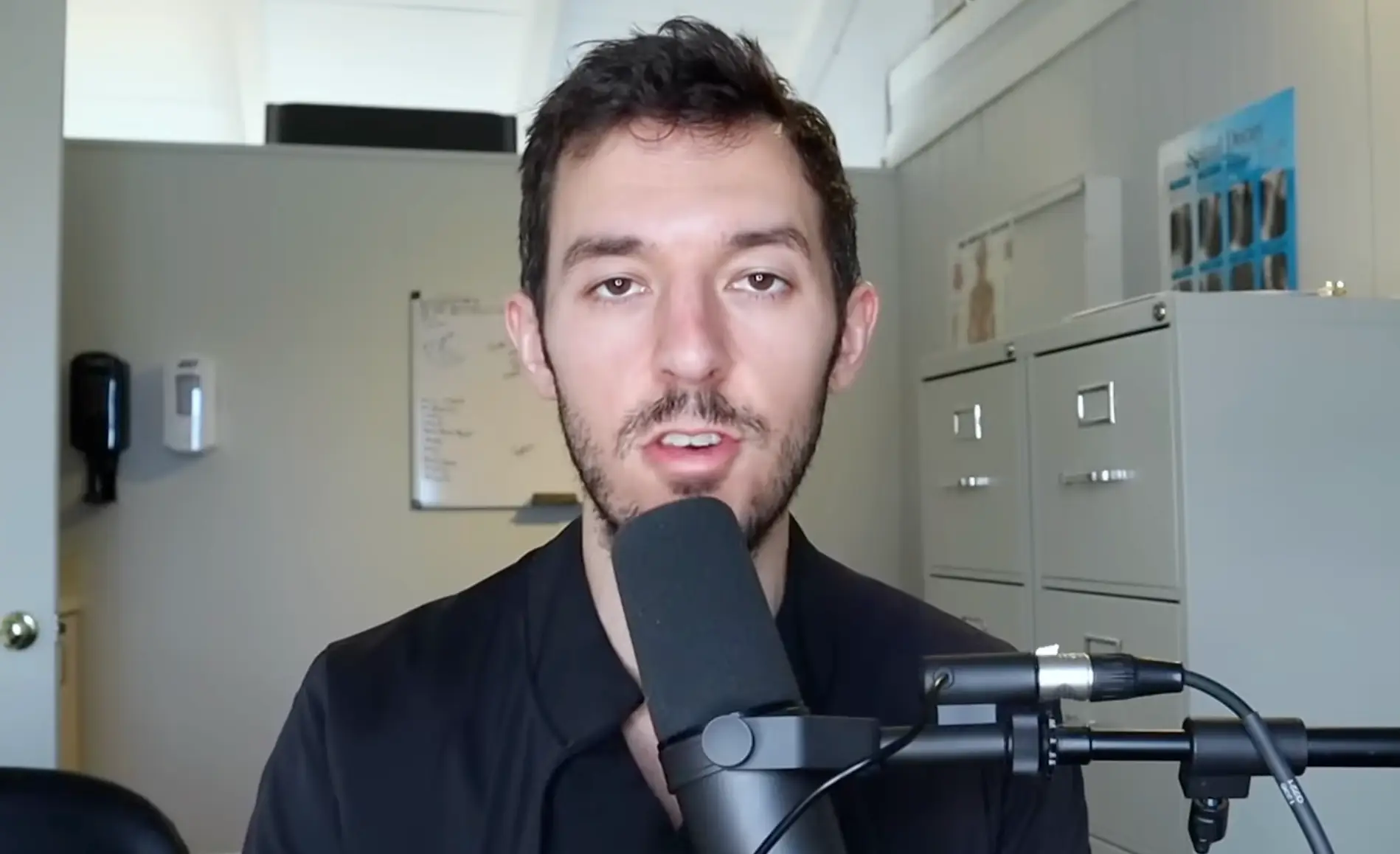
YouTuber and addiction recovery specialist Dr Frank Michalski is known for sharing content on substance abuse, having suffered with weed, nicotine, and caffeine addiction in the past.
He has previously admitted that he suffered with insomnia, which 'drove him crazy' when he quit the habit, saying that trying to fight the condition can sometimes lead to other addictions.
But when it comes to CHS, he highlighted that as someone who "struggled with THC addiction", it was the increased risk of osteoporosis which was the worst.
In a YouTube video, Dr Michalski said that malnutrition and dehydration causes 'its own set of problems', as it can eventually result in bone density loss. He pointed out that he suffered from this issue too.
"This was further compounded by my nicotine addiction and energy drink abuse addiction, the rate of bone loss that I experienced - it's no joke," the medical expert said.
Expert's message about CHS
While acknowledging that it's difficult to go from loving weed to it "literally killing you", Dr Michalski highlighted that CHS is a permanent condition, meaning that you can't go back to using cannabis at all after suffering from it.
"I think what happens with people who struggle with THC addiction ... we never truly let go of using cannabis as a reward or smoking weed as a reward system," he pointed out.
Reading out a comment from someone with CHS, who celebrated by smoking up, Dr Michalski said that it explains why they ended up in the hospital with acute kidney damage.
The doctor stated: "CHS is a permanent condition - it means complete abstinence from weed for the rest of your life."
In a clear message to viewers, Dr Michalski said: "A lot of people use weed to cope and we use weed to deal with trauma and PTSD and things that have happened to us in life, and my message to people is the trauma's there, the PTSD is there, but now we have a whole new set of problems.
"When we cross over into cannabis addiction and THC addiction, something that maybe was a form of self-medication no longer has the benefits that you were once getting."
He said that accepting this is a big part of the recovery process, encouraging users to speak to a therapist to work through any problems they may have which could result in regular cannabis use.
If you want friendly, confidential advice about drugs, you can talk to FRANK. You can call 0300 123 6600, text 82111 or contact through their website 24/7, or livechat from 2pm-6pm any day of the week.
Topics: Health, Mental Health, Drugs
 Joshua Nair