
Signs of colon cancer as ‘alarming’ number of people under 50 are dying from it

An 'alarming' number of people under the age of 50 are now dying from colon cancer but what are the key signs of the disease.
Cancer is a cruel disease that affects millions of people every year, and while it is most common in older people, cases in the colon are now becoming more recurrent in those under the age of 50.
Cancer Research UK suggest that over 17,000 people die from bowel cancer each year, with experts previously revealing exactly why numbers continue to rise.
An ultra-processed diet has been identified as one of the potential factors behind the increase in numbers, while lack of exercise, alcohol intake and smoking have also been linked with the disease.
Advert
Now, new research has claimed that CRC (colorectal cancer) is the leading cause of cancer deaths in young Americans, with the number of people under 50 suffering from the disease increasing by around two per cent every year since 2004.
The American Cancer Society found that it is the leading cause of cancer death for men under 50, and is second for women, with only breast cancer surpassing it.
While deaths in other forms of cancer are decreasing as modern medicine advances, the deaths in CRC are only increasing, which highlights just how much of an issue it is becoming.
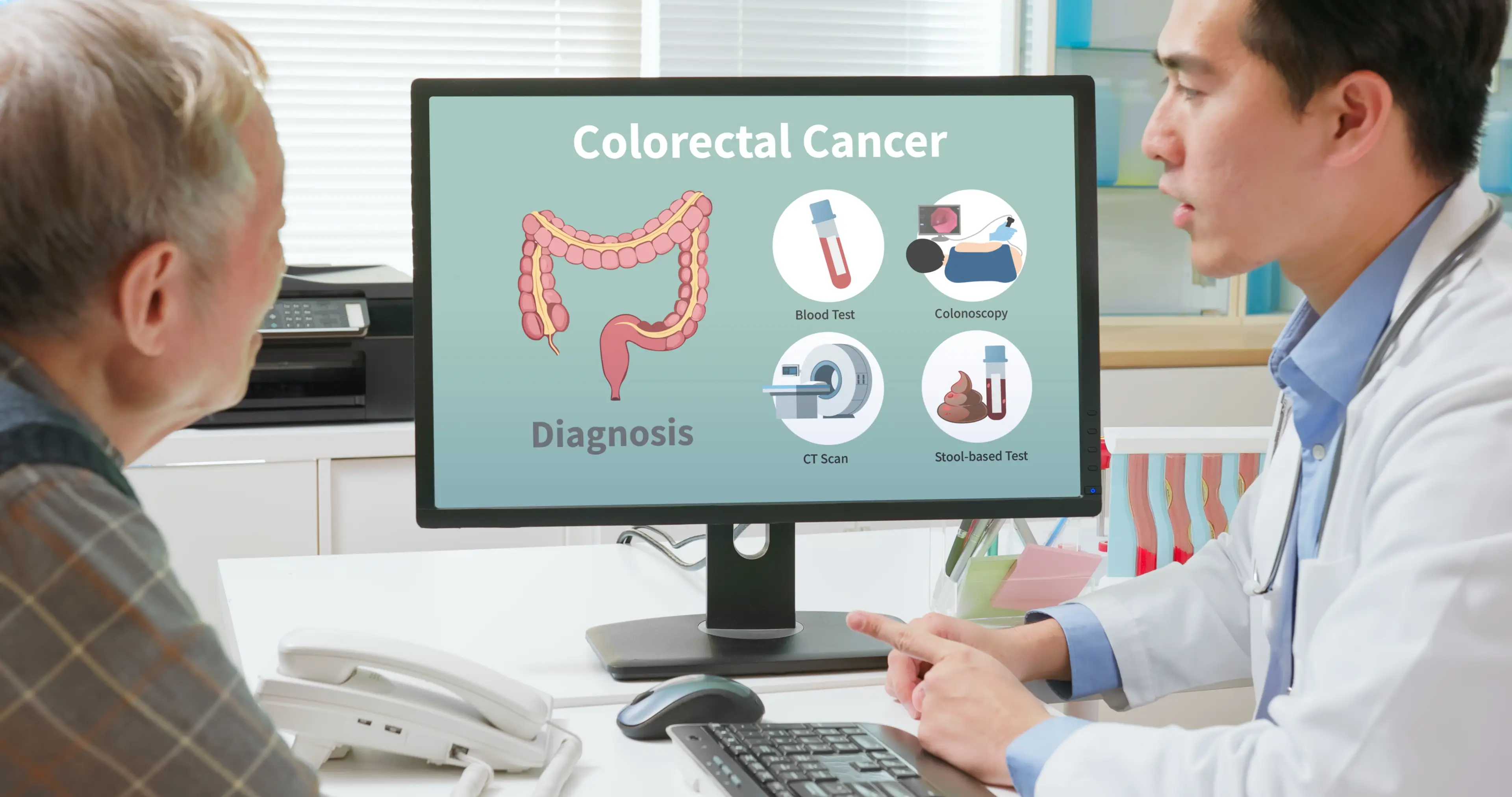
Dr Christine Molmenti, cancer epidemiologist and co-director of the Northwell Health Early-Onset Cancer Program in New York, who was not involved with the study, said: "I think this is a very impactful and well thought out and executed study. It is bringing to light the major public health problem that we're dealing with in the United States and globally.
"The fact that colorectal cancer has now risen to the leading cause of cancer death in men under 50 and second leading in women under 50, only second to breast cancer, are extremely alarming results.
"It's something that we need to take note of from a screening perspective, and from an awareness perspective as it relates to patients and to providers."
One of the biggest issues regarding CRC is that the symptoms can often be subtle or may not even present themselves until later down the line, when it is often more aggressive and therefore harder to treat.
Signs of CRC include abdominal pain and spots of blood in the stool, with those two perhaps the most common symptoms in younger patients.

Other potential symptoms include changes in bowel movements, unexpected weight loss and a loss of appetite.
Less common signs involve fatigue, nausea or vomiting and rectal bleeding, but again its worth speaking to a GP if you do experience any of these issues.
People who suffer from inflammatory bowel diseases such as Crohn's and Ulcerative colitis are also more likely to develop bowel cancer further down the line.
So, if you do experience any changes with your bowel movements that are causing you pain or discomfort, and it's more prolonged than just suffering from last night's curry, then it's definitely worth going to a doctor to chat about your symptoms.
Scrubs summed it up best when they said that everything comes down to poo, and your bowel movements are often a way of determining your health.
Topics: Cancer, Health, Bowel cancer
 James Moorhouse