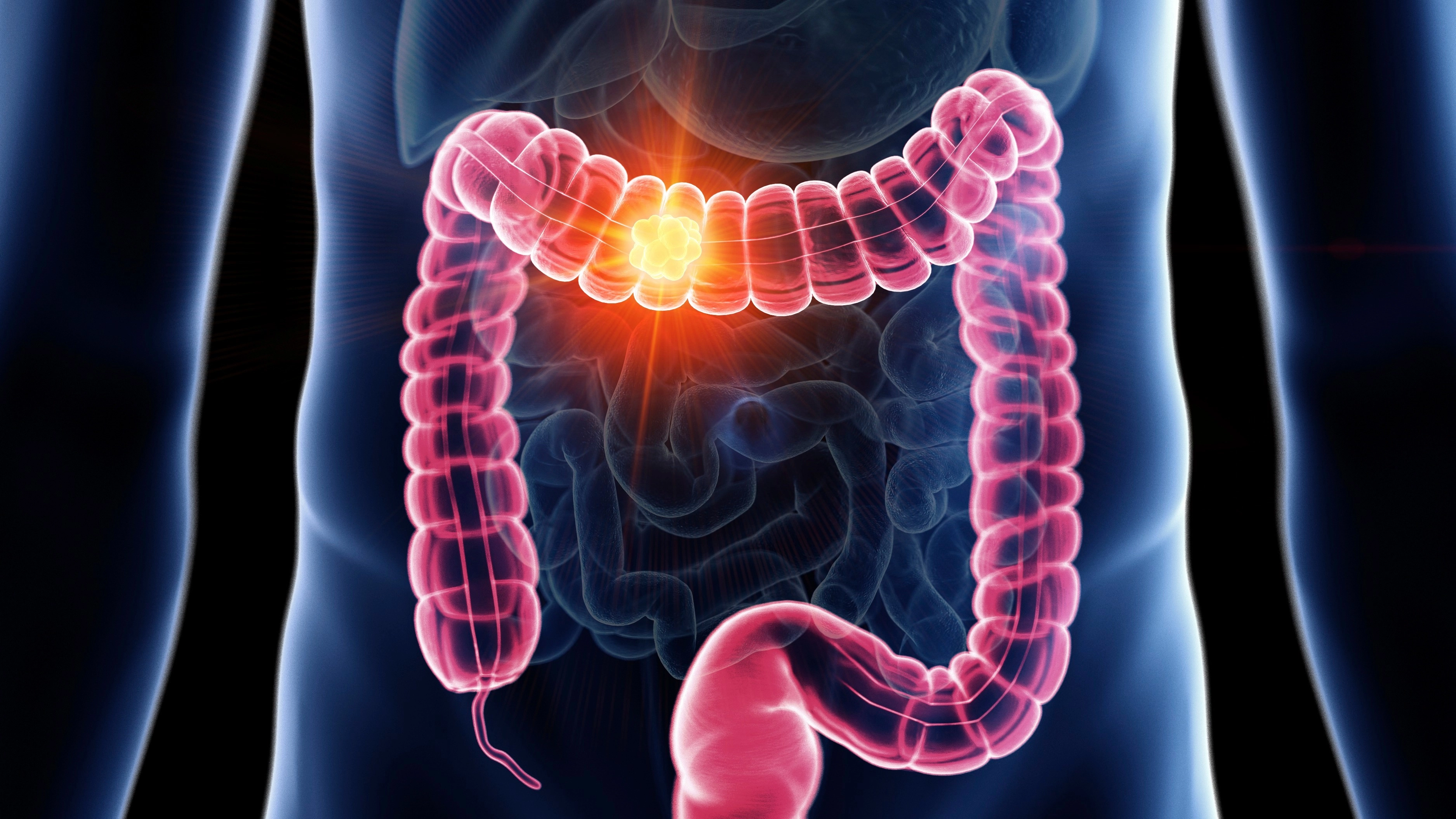
Study finds possible cause of unexplained colon cancer rise in young people

A new study might have taken a significant step in identifying the cause of unexplained cancer cases, as colon cancer cases in particular continue to rise.
As modern medicine and technology advances, cancer cases in general are on a downward trend across the world, but that is sadly not the case with colorectal cancer, which is becoming far more common in otherwise healthy young adults.
Symptoms of the potentially deadly disease include abdominal pain and spots of blood in the stool, and it's vital to get these looked at, even if you suspect it might just be stomach problems or something like IBS.
Genetic changes, lifestyle and environmental factors have all been touted as potential causes for bowel cancer, but now a new study has instead suggested that the alarming amount of microplastics in the human body might actually be to blame.
Advert
A major scientific review conducted by researchers at the University of Southern California (USC) found that microplastics are doing potentially irreparable damage to our bodies, and can be considered contributing factors in diseases such as colorectal cancer and lung cancer, as well as other lung diseases and infertility.

The UC researchers said: "Due to ubiquitous exposure and bioaccumulative characteristics of microplastics, the extent of human health impacts due to microplastic exposure is of great concern.
"We concluded that exposure to microplastics is 'suspected' to adversely impact the colon and small intestine in humans."
The researchers also suggested that the tiny toxins are 'suspected' to be a digestive hazard to humans, 'including a suspected link to colon cancer, using the key characteristics of carcinogens approach.'
So, the microplastics were linked to damage in the lungs and colon, while also adversely impacting sperm quality and testicular health in humans, while it's also suspected to be a hazard to the human respiratory system.
The researchers wrote: "Microplastics are widespread and mobile in the environment, being detected in air, surface water, costal beaches, sediment, and food.

"They have been discovered in remote and pristine locations, including the Antarctic, deep ocean trenches, and Arctic sea ice.
"Due to their small size, microplastics more easily enter and are distributed in the human body in comparison to larger particles; microplastics have been measured in human placenta, breastmilk, and liver."
Tracey J. Woodruff, a professor of obstetrics, gynaecology and reproductive sciences at UCSF, added: "These microplastics are basically particulate matter air pollution, and we know this type of air pollution is harmful."
Although many of the studies were conducted on animals, the researchers suggest that they share many of the same components as humans, and therefore, the conclusions would still likely apply.
Study author Nicholas Chartres, PhD, said: "We urge regulatory agencies and policy leaders to consider the growing evidence of health harms from microplastics, including colon and lung cancer."
How common is bowel cancer in the UK?
According to Bowel Cancer UK, it is the fourth most common cancer in the UK, with almost 44,000 people being diagnosed with bowel cancer every year.
More than nine out of 10 new cases (94 per cent) are diagnosed in those over the age of 50; however, more than 2,600 cases are diagnosed in people under 50 every year.
The Royal Marsden says that between 1990 and 2018, the number of bowel cancer diagnoses in younger people had risen by 22 per cent in the UK.
Do microplastics cause cancer?
The American Cancer Society says as of 2025, there's not enough evidence to definitively confirm this; however, some research has found that microplastics can cause inflammation and disrupt gut health.
They may also introduce toxins like bacteria and chemicals into the body, which are known to promote cancer growth, though further research on the topic is needed.
What are the risk factors of bowel cancer?
While it is unknown what exactly causes bowel cancer, there are a few factors that could increase the risk of developing it. Macmillan Cancer Support says that having one or more of these risk factors doesn't mean you'll get bowel cancer; likewise, if you don't have any, it doesn't mean you aren't at risk.
Some of the risk factors of bowel cancer include:
- Age
- Diet, such as eating processed and red meat, or not eating enough fibre
- Inflammatory bowel conditions, like Crohn's Disease or ulcerative colitis
- Being overweight
- Low physical activity
- Family history
Topics: Cancer, Health, Environment
 James Moorhouse