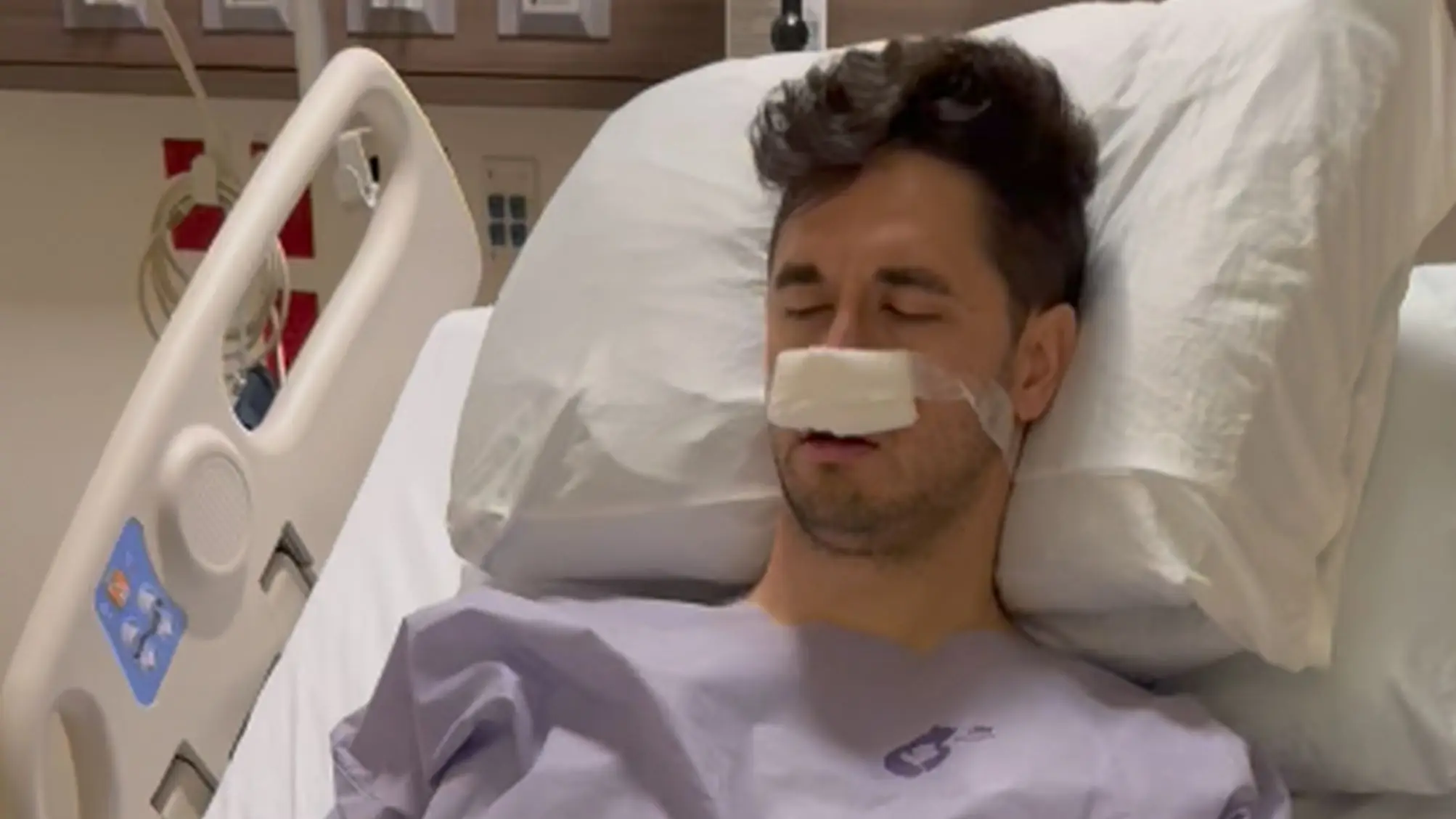
Dad wakes up from surgery and speaks fluent Spanish despite only knowing how to count to 10 before

A dad was stunned to find he was speaking fluent Spanish after waking up from surgery, considering he had only done some basic classes in school.
At the age of 19, Stephen Chase had an operation on his right knee for a football-related injury. By that point, all he really said he could do was speak a few phrases and count to 10 in the language.
He admitted he ‘didn’t really pay attention at all at school’, but there was certainly something somewhere in his brain, as minutes after waking up, he was able to speak full sentences in Spanish.
Advert
Stephen, from near Salt Lake City in Utah, US, was apparently conversing for 20 minutes before going back to speaking English. And in following surgeries over the years, it kept on happening.
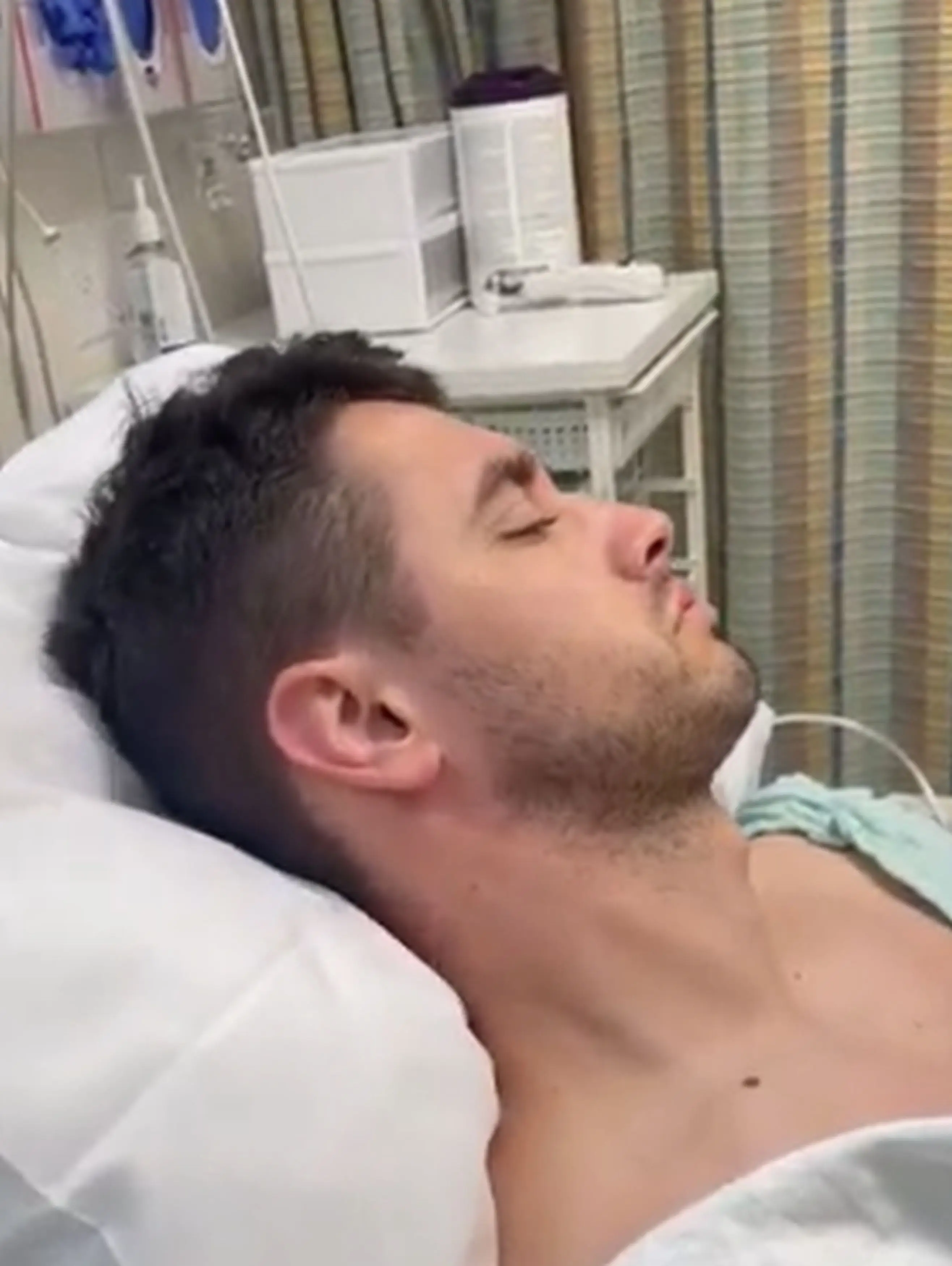
"The very first time it happened, when I woke up I was speaking in Spanish to the nurses checking on me,” the now 33-year-old explained.
"I don't really recollect speaking Spanish, just people asking me to speak English and being really confused.
"I wasn't capable of speaking for that long in Spanish at that time, I was very shocked.”
The dad-of-three reckons that growing up around ‘lots of Hispanic people’ and frequently hearing ‘the language’ may have instilled it in him.
“I never knew what anyone was saying, but I heard it all the time,” Stephen added.
After that initial operation, he was able to put his newly discovered skill to good use when he travelled to Chile for two years for a mission for his church.
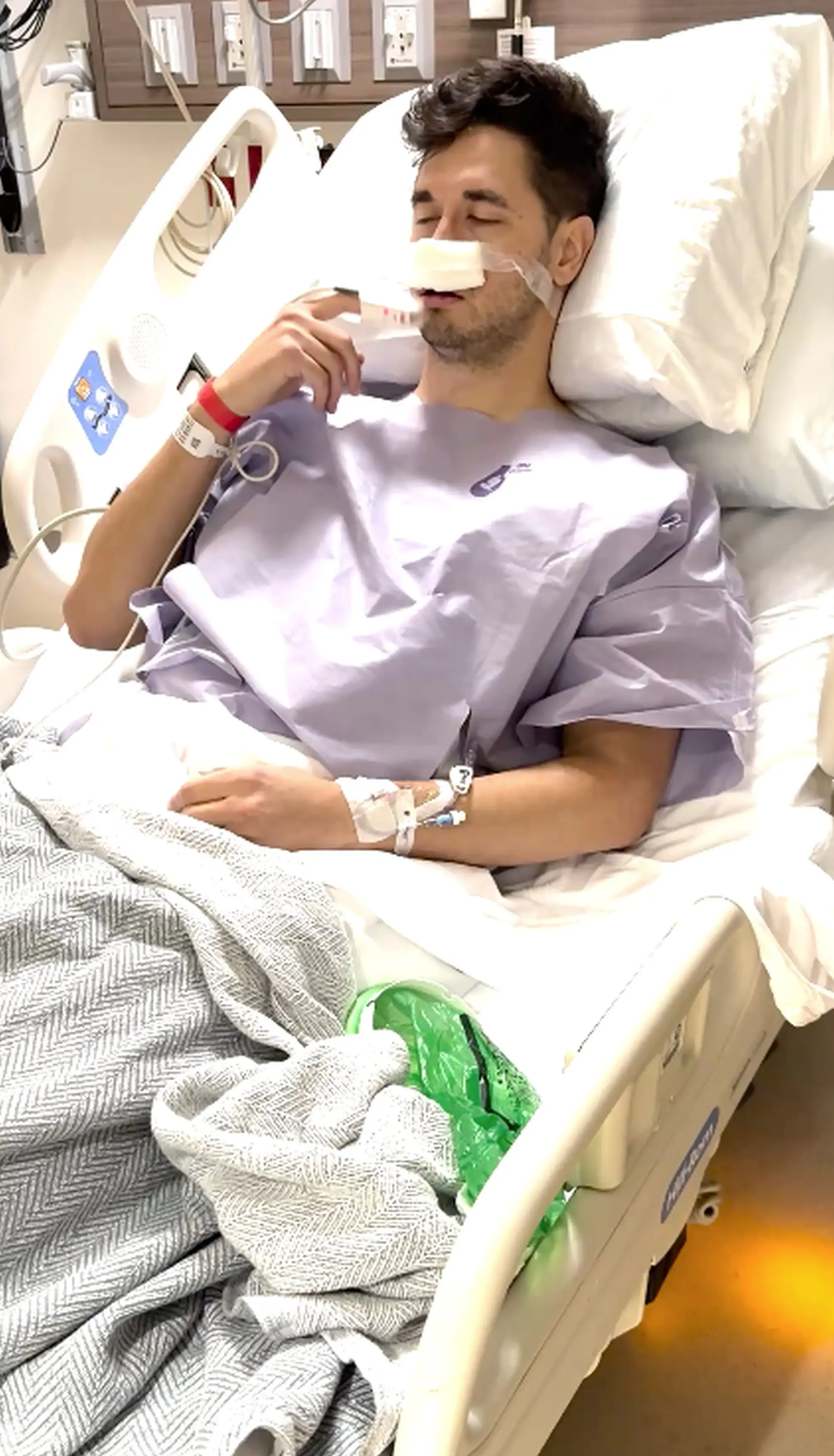
And after multiple surgeries over the past decade for sports injuries (and recently a septoplasty), he has come round while speaking a ‘native level’ of Spanish.
"The nurses say they ask me questions like 'how are you feeling?' and 'am I in pain?' after waking up, and I answer the questions in Spanish,” Stephen explained.
"In my head, I'm just speaking and can't understand why they don't understand me.
"I was completely fluent, I think it completely subsides within an hour.”
He’s had to start telling people beforehand now so they’re ‘prepared’ as he can come across as a ‘native speaker’.
"I'm a pretty good second-language speaker, but it became native fluency level. It's interesting what the brain has stored up that we're not able to tap into,” the attorney added.
Foreign Language Syndrome (FLS)
According to the US National Library of Medicine, FLS is a ‘rare neurological condition’ that means people switch from their native language and fixate on a second language for a period of time.
It’s characterised by the sudden, involuntary use of a non-native language.
It can be caused by the likes of severe head injury, stroke, brain tumours and bleeding in the brain, and it often comes bout following anaesthesia, brain injury, or psychological stress.
Always seek advice from a medical professional if you have any concerns.
 Jess Battison