
Doctor says the 'worst habit' people can have for their health is one most think is 'harmless'

A doctor has revealed what he believes to be the 'most dangerous habit,' which can lead to a plethora of different health issues, from increased inflammation to insulin resistance.
Dr Eric Berg, who is known as The Knowledge Doc, took to YouTube where he shared his views on the worst habit that most people typically view as 'harmless'.
"The number one most dangerous habit is not smoking, it's not eating sugar or even junk foods," he told his 14.5 million subscribers.
"It's not even something that people feel guilty about, or even something that doctors would warn you that it's bad for you."
Advert
Dr Berg even went as far as claiming that 'the majority of a grocery store is dedicated to it,' so what is it, we hear you ask.
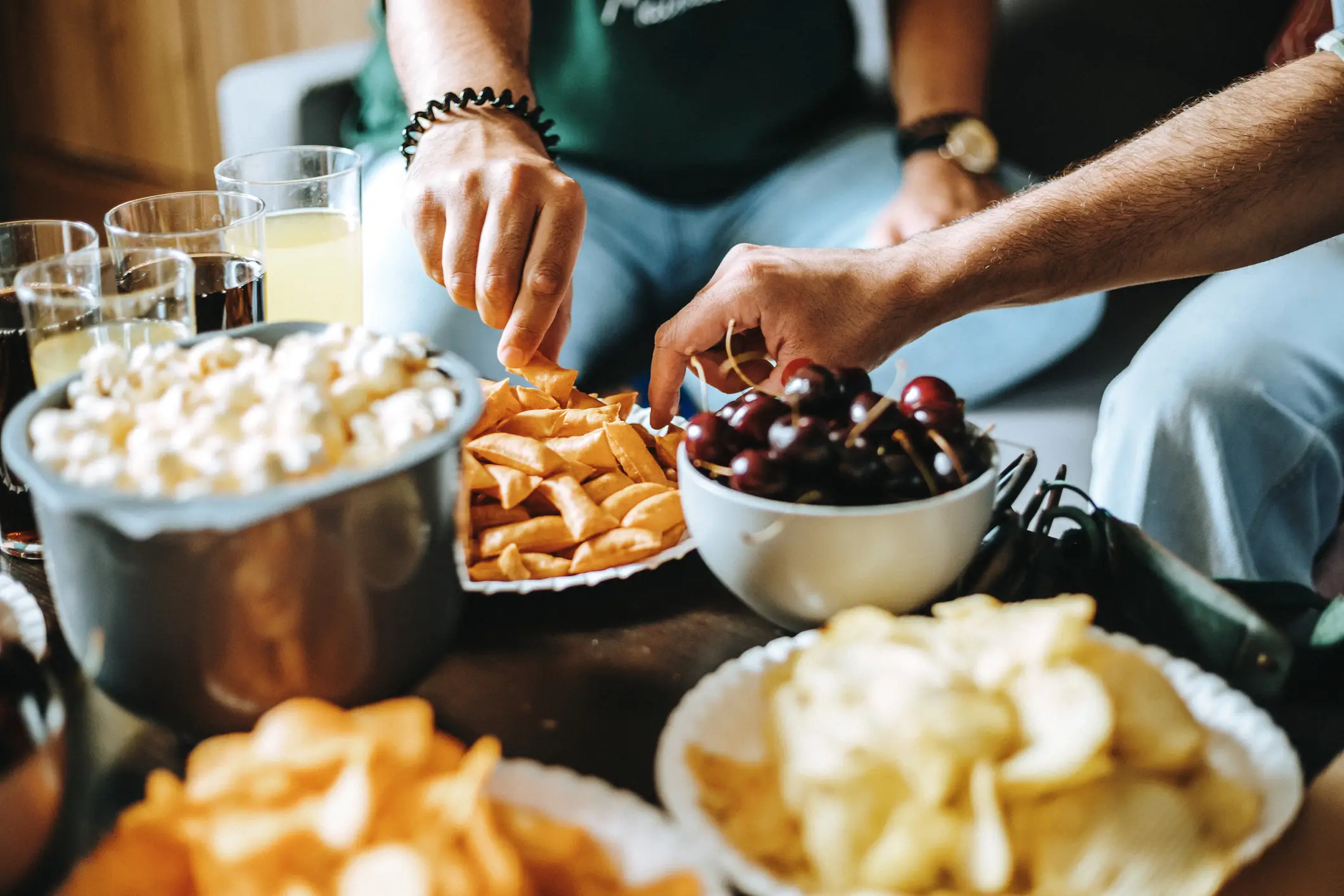
If you're a snacker, you're not going to like this, because according to Dr Berg, the 'most dangerous habit' is 'constant snacking between meals and grazing at night.'
In the YouTube clip, he explained: "People do it every single day without even questioning it, as it's creating inflammation, weight gain, fatty liver, being a pre-diabetic.
"This never lets your insulin levels go down. It's a constant elevation of insulin, it's a constant elevation of blood sugar and is the number one reason people get insulin resistance, one of the most foundational root causes of chronic disease."
Although Dr Berg is known for sometimes being slightly controversial in his views towards medical science, there is plenty of evidence to back up his belief that constant snacking can have a detrimental effect on health.
Dr Yoshinori Abe, co-founder of Ubie Health, recently divulged how this habit can 'quietly hurt metabolic flexibility by keeping insulin elevated, suppressing fat burning, and driving cravings and blood sugar swings, with midlife hormonal shifts making this more pronounced.'
Breaking the subject down further on the Ubie website, Dr Abe explained that constant snacking doesn't allow insulin to get a break, because every time we eat, our bodies release insulin, as its insulin's job to move glucose out the bloodstream and into cells.
While this is happening, however, the body isn't going into fat burning mode, meaning stored fat becomes harder to access and blood sugar regulations can weaken over time.
This can then lead to the metabolism becoming glucose dependent, which can create increased hunger in between meals, cravings shortly after eating and a feeling of needing food to function, all of which perpetuates the 'constant snacking' cycle.
 Emma Rosemurgey