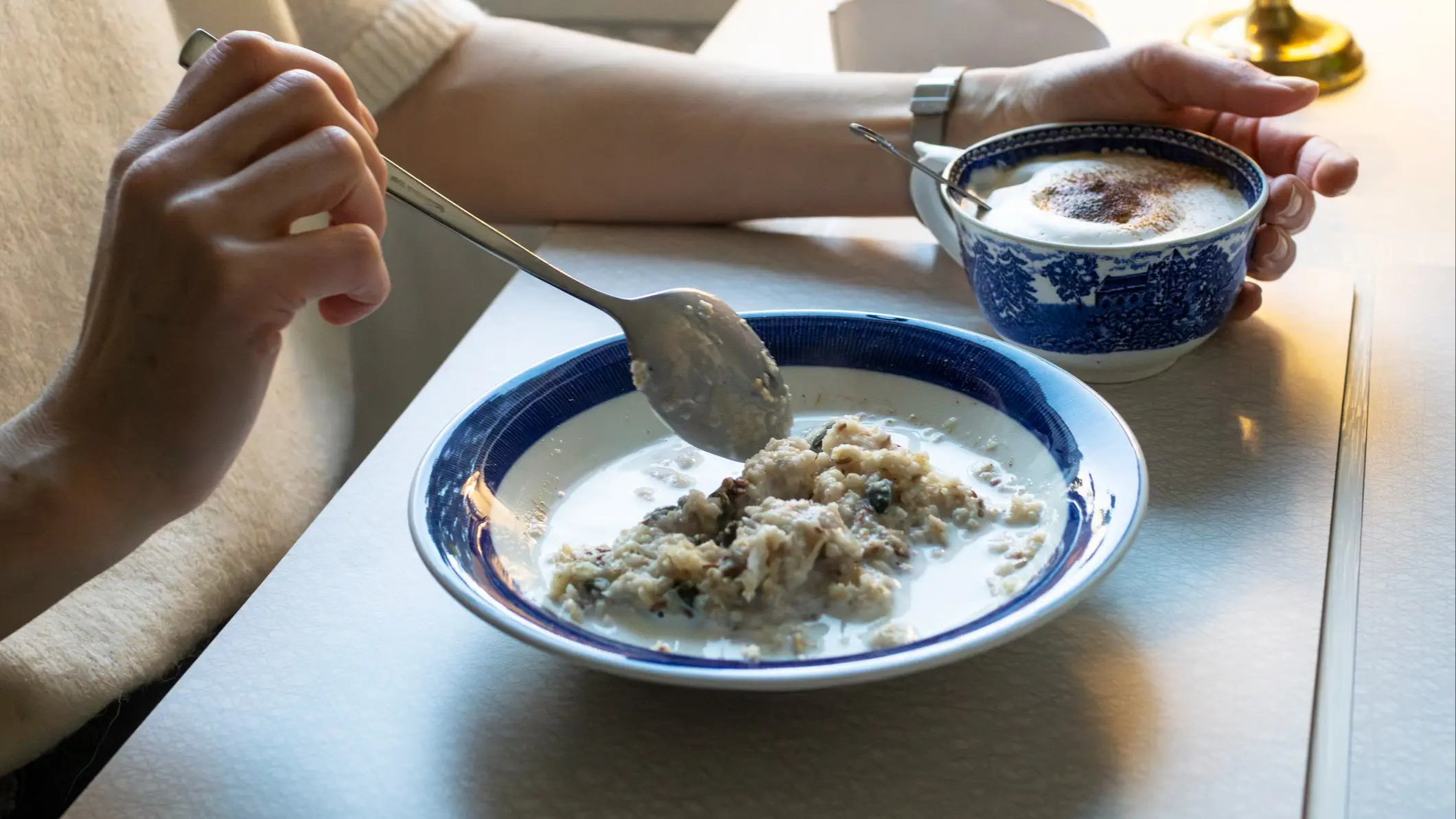
Eating common breakfast for just two days can have ‘substantial’ health impact

Breakfast has always been known to be the most important part of the day, but it could be even more essential if you’re eating this one common dish, even intermittently.
From fresh fruit to healthy fats like avocado and fish have been pegged as the best foods to eat, and that following a medditerrainian diet is probably the best way you can keep yourself healthy.
However, there’s another food that’s flown under the radar that is actually packed with a handy nutrition that is really good for your body.
Researchers from the University of Bonn in Germany figured out its impact, and also how little it takes to maintain your health, when studying adults who had consumed a calorie-reduced diet of eating oats.
Advert
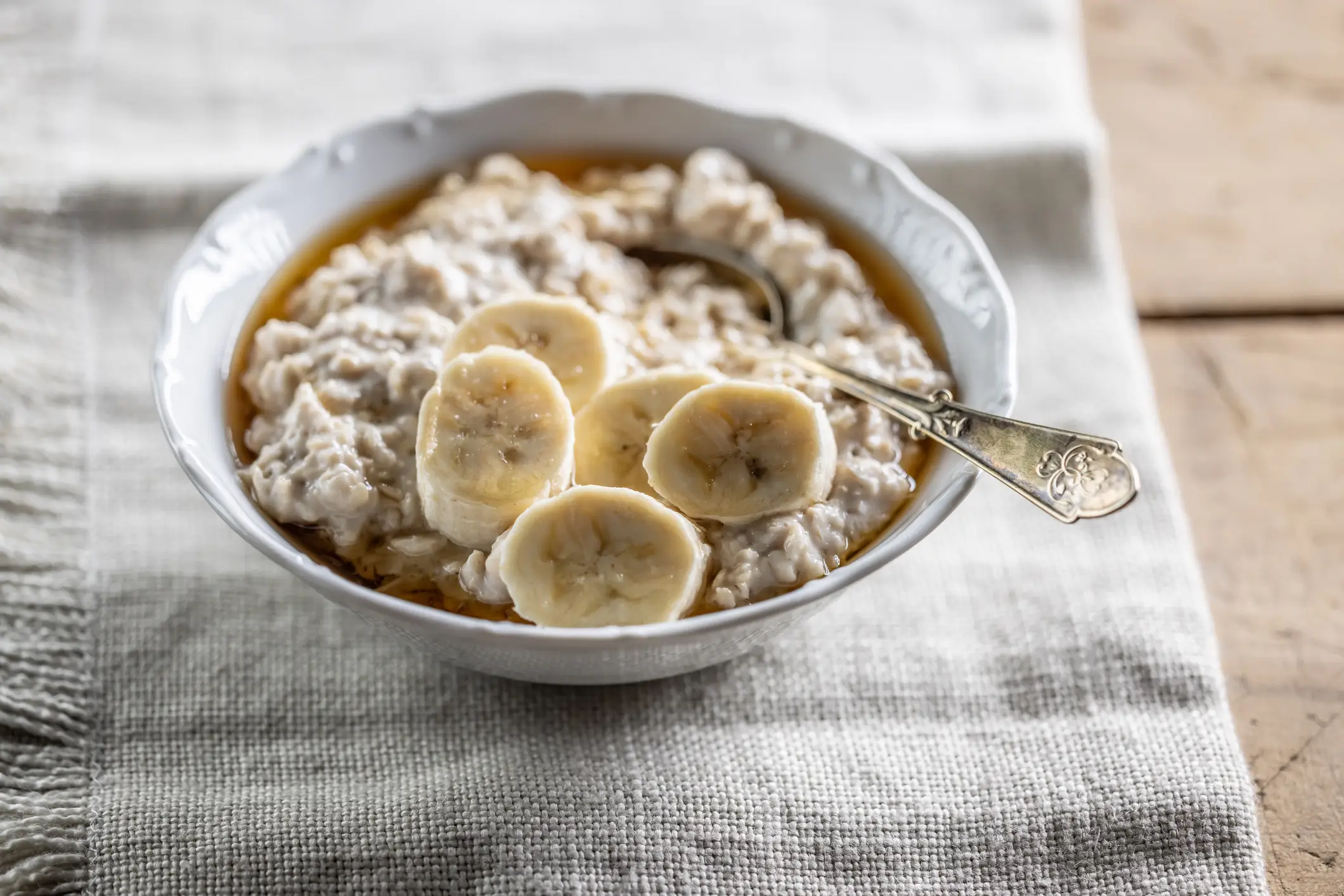
The participants ate oats, and almost only oats in this time, which had been boiled in water, three times a day, and amounted to 300 grams.
Thankfully, they were allowed to garnish as they wished, so they added fruits, vegetables, and ended up being on a restrictive caloric deficit of around half their calorie needs.
All 32 participants suffered from a metabolic syndrome which carries a risk of additional disorders like diabetes.
However, when matched against another control group who had the same calorie-reduced challenge, but didn’t eat oats, the impact was easy to see.
What researchers found and published in the journal Nature Communications, was that the bad cholesterol levels of those eating oats ‘improved significantly’, and it also helped to aid in the risk factors that led them to have disorders, such as lowering high blood pressure, and losing weight.
Study author Marie-Christine Simon, who is a junior professor at the Institute of Nutritional and Food Science at the University of Bonn, revealed the LDL, also known as Low-density lipoprotein, can increase a person’s risk of heart disease and stroke, per the Cleveland Clinic.
However, eating oatmeal was seen to reduce the LDL of the study group by 10 per cent.
"That is a substantial reduction, although not entirely comparable to the effect of modern medications," Simon said. "They also lost two kilos in weight on average, and their blood pressure fell slightly."
Even eating oats regularly but not daily ‘could be a well-tolerated way to keep the cholesterol level within the normal range and prevent diabetes.’
Simon said ‘a short-term oat-based diet at regular intervals could be a well-tolerated way to keep the cholesterol level within the normal range and prevent diabetes’.
So, why are oats so good for you?
Per the University’s press release, and Simon’s colleague Linda Klümpen, the lead author of the trial: “We were able to identify that the consumption of oatmeal increased the number of certain bacteria in the gut.”
This bacteria is the phenolic compounds found in the stomach after breaking down the oats.
The researcher said: “It has already been shown in animal studies that one of them, ferulic acid, has a positive effect on the cholesterol metabolism. This also appears to be the case for some of the other bacterial metabolic products.”
In other parts of the digestive system, microorganisms get rid of the amino acid histidine, which would have been turned into something that promotes insulin resistance if not chucked out – which is a big factor in developing diabetes.
Topics: Science, Health, Food And Drink
 Britt Jones