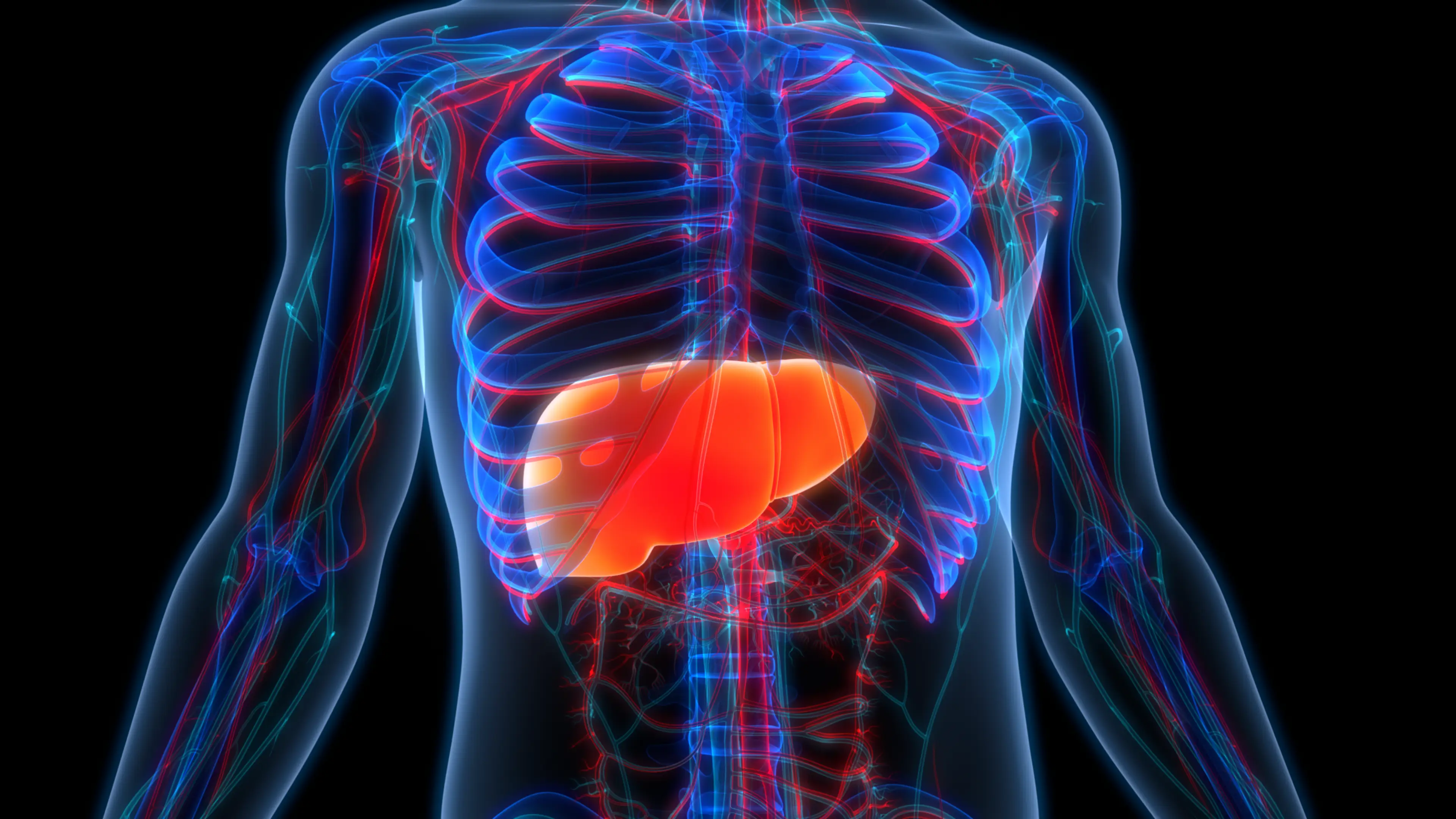
How long it takes your liver to return to normal after drinking as people prepare for Dry January

Christmas Day has been and gone, and there will be a fair few folks waking up with sore heads between now and the new year.
Whether you love going out for drinks with friends, simply having a beer with your Christmas dinner or drinking enough eggnog to make you forget the whole of 2025, there's no doubt that drinking is a huge part of Christmas culture.
As we all struggle to remember what day it is and fill our bellies with chocolate and cheese, there's certainly a temptation to have a few beverages, especially if you're lucky enough to have some genuine holiday time.
This often excessive drinking as we close out the year is never going to be good for our health, and it's no surprise that so many people choose to give themselves a break in January by avoiding alcohol for the whole 31 days.
Advert
Other than the obvious benefits of not having any hangovers or sending your ex any embarrassing texts, your liver can also enjoy a nice little holiday during Dry January.

But how long do most medical professionals reckon it takes until your liver can make a full recovery from the copious amount of cocktails you might have sunk during the last week or so?
Lavish drinking over the Christmas period could potentially lead people to experience symptoms including nausea; weight loss; loss of appetite; yellowing of the eyes and skin; swelling of the ankles and tummy; drowsiness and vomiting blood.
Even just a few days of heavy drinking can lead to a build-up of fat in the liver, and the NHS suggests that it could take around two weeks to reverse fatty liver disease, which also shouldn't cause you too much trouble.
However, this isn't always the case, as it might well differ from person to person.
According to the Cleveland Clinic, it could take a little longer than two weeks.
“There is no ‘one size fits all’ answer,” said Dr Christina Lindenmeyer. “It depends on how much damage has already been done and any possible complications.”
They explain that a two to four-week abstinence from alcohol helps reduce inflammation in the liver; however, if your liver has suffered from the long-term effects of alcohol, doctors may recommend you ditch the booze for good.
“For patients who are left with cirrhosis after severe injury to the liver from alcohol, even one drink of alcohol is toxic to the liver,” Dr Lindenmeyer added.
Really, if you want to keep your liver healthy for as long as possible, the best option is to massively reduce your alcohol intake or to go completely sober.
The latter is an option that more and more people are starting to consider, and if you can manage it for the whole month of January, perhaps you can make it a more permanent change.
Please drink responsibly. If you want to discuss any issues relating to alcohol in confidence, contact Drinkline on 0300 123 1110, 9am–8pm weekdays and 11am–4pm weekends for advice and support.
Topics: Dry January, Alcohol, Health, Christmas
 James Moorhouse