
There's a sign in your eye that could mean you'll get dementia later in life

Scientists have determined that there is something in your eye that can determine whether or not you’ll develop dementia as you age.
Dementia is a cruel progressive cognitive disorder which sees patients lose their memories, basic bodily functions, and their personalities.
With the NHS stating that one in 11 people in the UK will be diagnosed with the condition, and 944,000 people currently have a diagnosis, it’s clear that it’s a large problem.
Obviously, memory loss is the number one indicator of dementia, but there is a lot more that can reveal the potential development.
Advert
For example, the NHS states that dementia can affect someone in terms of:
- memory loss
- change in thinking speed
- a change in mental sharpness and quickness
- difficulty with language, such as using words incorrectly, or having trouble speaking

- understanding
- judgement
- mood
- movement
- difficulties doing daily activities
However, scientists now say the retina can hold clues too.
If you don’t know what a retina is, it’s the tissue that lines the back of your eyes.
The retina’s role in the eye is to capture images, process them into signals for the brain to read, so then you can turn it into vision.
It’s a very light-sensitive area, and injuries to it can be devastating to your eyesight.
Chinese researchers have found something amazing about the link between the retina and dementia this year, stating that the thickness of the retina could help predict whether a person has Alzheimer's.
The scientists analysed 30,000 adults for nearly a decade and realised that those with a thinner retina were at a greater risk of developing Alzheimer's disease during the time they spent with them.
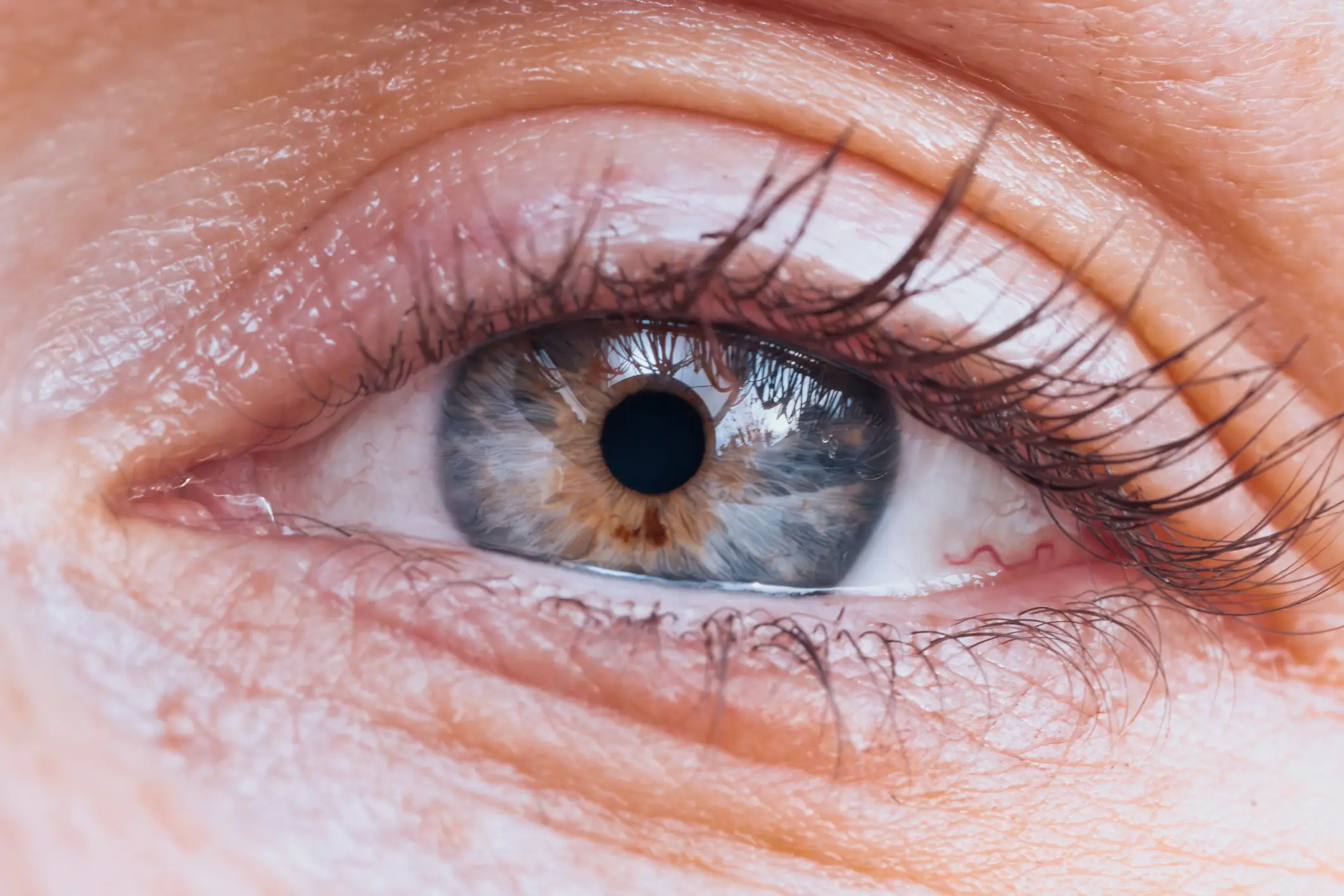
Participants underwent retinal optical coherence tomography (OCT) imaging and noted that with each unit of decrease in retinal thickness, the risk of developing Alzheimer's disease increased by three per cent.
If a person had thinner retina covering the central part, they were 41 per cent more likely to develop frontotemporal dementia (FTD) than those who had thicker layers.
Essentially, the researchers believe that Alzheimer’s is linked to the eyes because the optic nerve is part of the central nervous system.
So, if the eyes start to wear down over time and the layer becomes thinner, it could show that the brain is also declining too.
The study was published in the journal Frontiers In Aging Neuroscience, and shared that in a follow-up with the patients nine years later, 148 were diagnosed with Alzheimer's while eight were diagnosed with FTD.
 Britt Jones