
Terrifying reality of drinking sodas as doctor warns it can be a 'gateway drug'

According to a study, there could be a link between regular drinking fizzy drinks and future drug use.
Many Brits claim to be 'addicted to sugar' in one way or another, but with the selection of confectioneries we have on offer, can you really be blamed?
Some may think that they're joking, though the reality is that people can and do feel powerless to the craving that sugary sweets or soft drinks can propose, which could be caused by a biological addiction that the body has developed towards sugar and artificial sweeteners.
A scientific study from 2013 has already outlined how natural sugar and artificial sweeteners can be more addictive than cocaine, as the cravings caused by a perceived 'sweet tooth' can be comparable to the feelings caused by addictive drugs.
Advert

What have previous studies comparing sugar to cocaine revealed?
Lab rats were given the choice between sweetener and cocaine in an experiment and it was found that 94 percent of the rodents chose the sweetener.
Although animals were used, the evidence was used to highlight existing evidence pointing towards the fact that humans also have the same craving and reward system, meaning that the substance could be just as, or more addictive, than the Class A drug.
While evidence in humans remains scarce, experts have made the link based on the study, as sugar activates the same neurobiological pathways which are usually associated with the use of hard drugs.
What did the study reveal?
A 2014 study found that high sugar diets can act as a 'gateway drug', even contributing to the development of substance-use disorders, including addiction to hard drugs and alcohol.
All of it is down to dopamine and the reward disregulation which can be created through chronic sugar consumption, but this isn't all that can be caused by a diet which contains excess amounts of sugar.
Links have been found with the development of mental health disorders due to the dopamine dump we can feel after consuming high amounts of sugar, with the likes of depression and anxiety more likely.
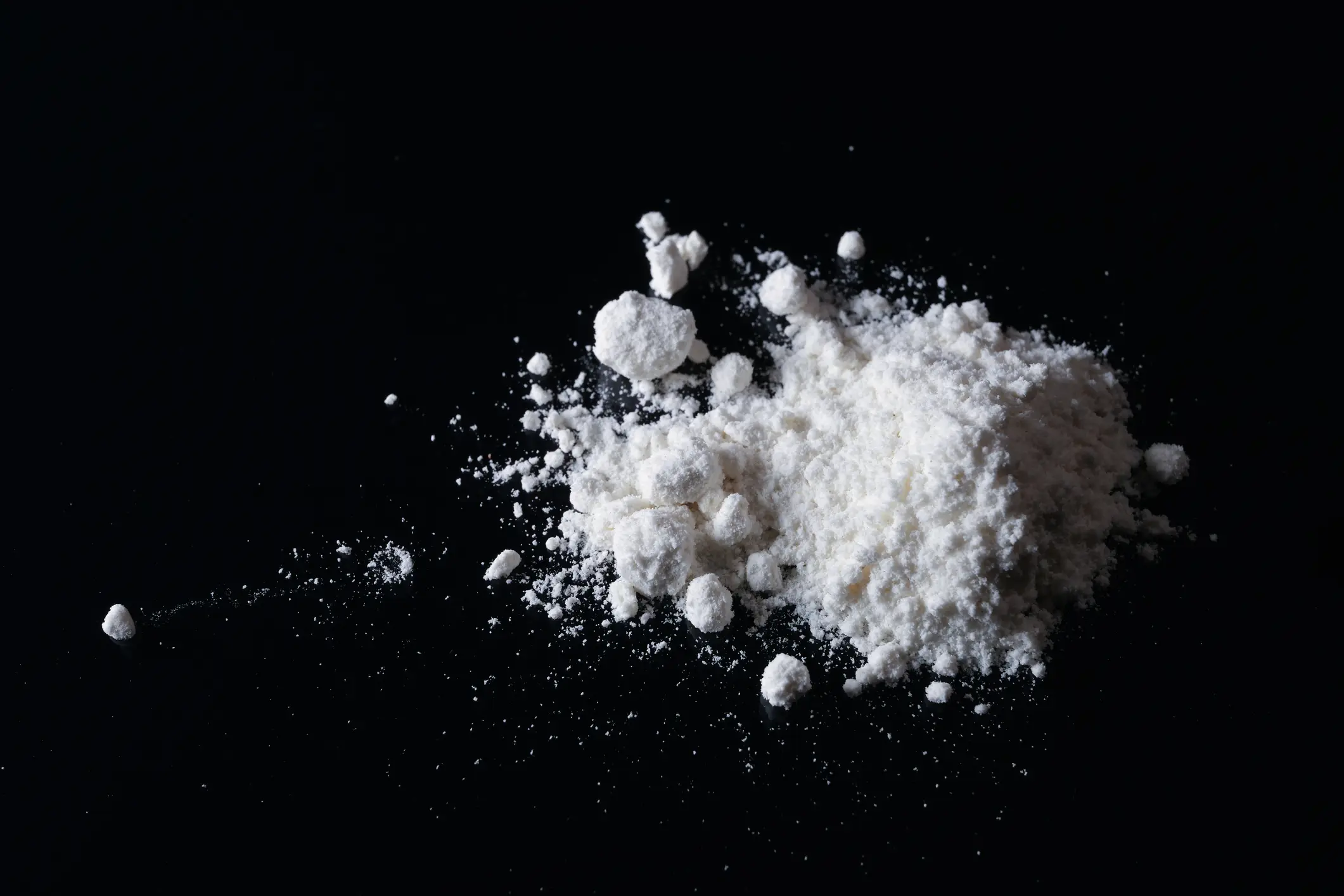
How is sugar linked with drug use?
With salt, the body can signal you have had too much through thirst and swelling in certain parts of our body, but with sugar, there isn't much sown.
Scientists have coined the term 'sugar roller coaster' to explain this effect, which can result in spikes of insulin (blood sugar), the feel-good hormone known as dopamine and cortisol, which is the stress hormone.
As stress levels rise, the chances of brain damage increase as excess energy is stored as fat, while your brain craves for more sweet treats.
Other chances of big health effects are also increased, such as diabetes, tooth decay, obesity, cognitive issues and other problems in the long run, while excess fat is stored around the waist.
Topics: Food And Drink, Health, Mental Health, Science
 Joshua Nair