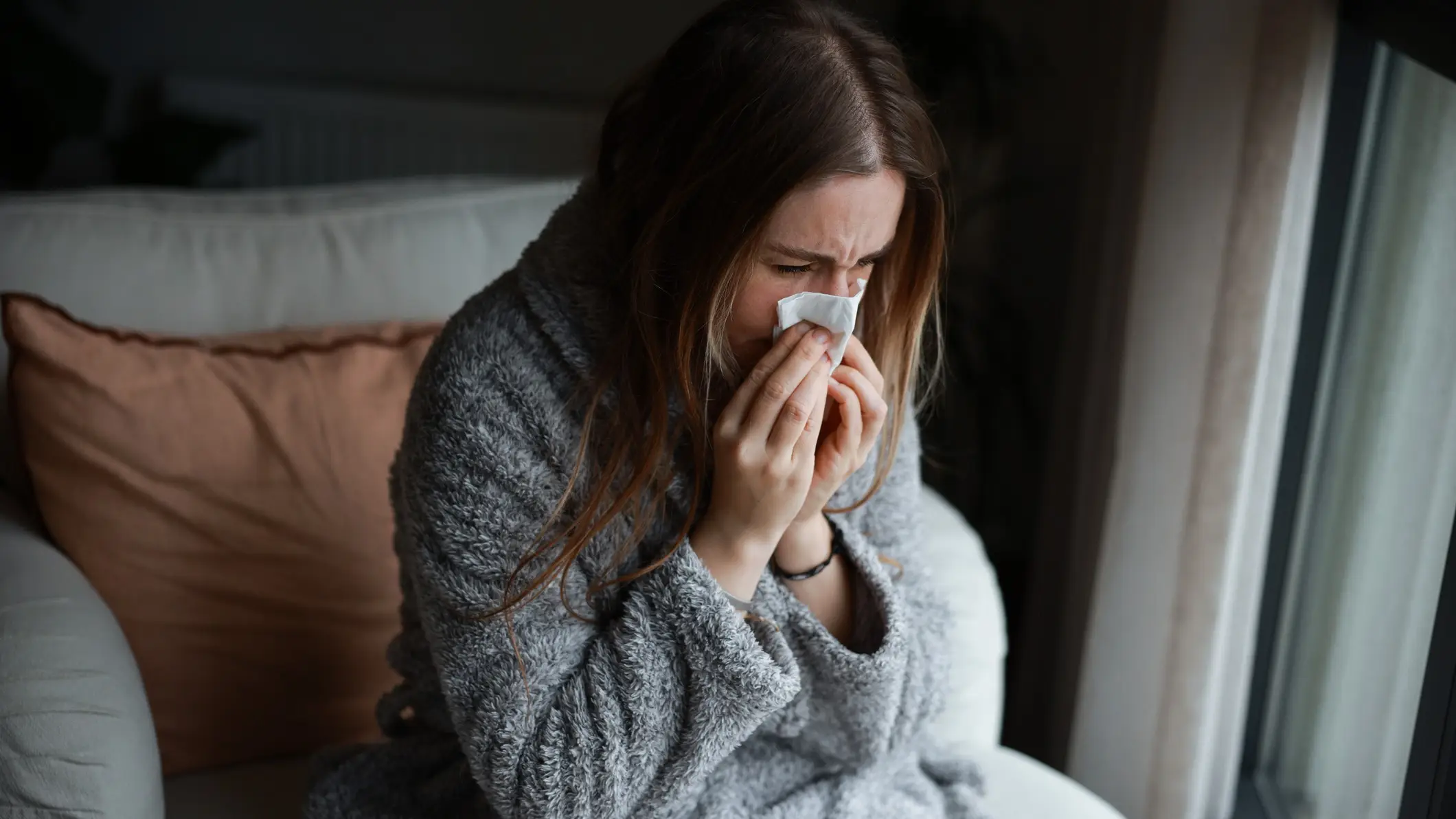
NHS warns of 'second surge' as brutal winter illness hits record levels

The NHS has warned against a 'second surge' of norovirus across the UK, as the numbers of hospitalised patients hits record levels.
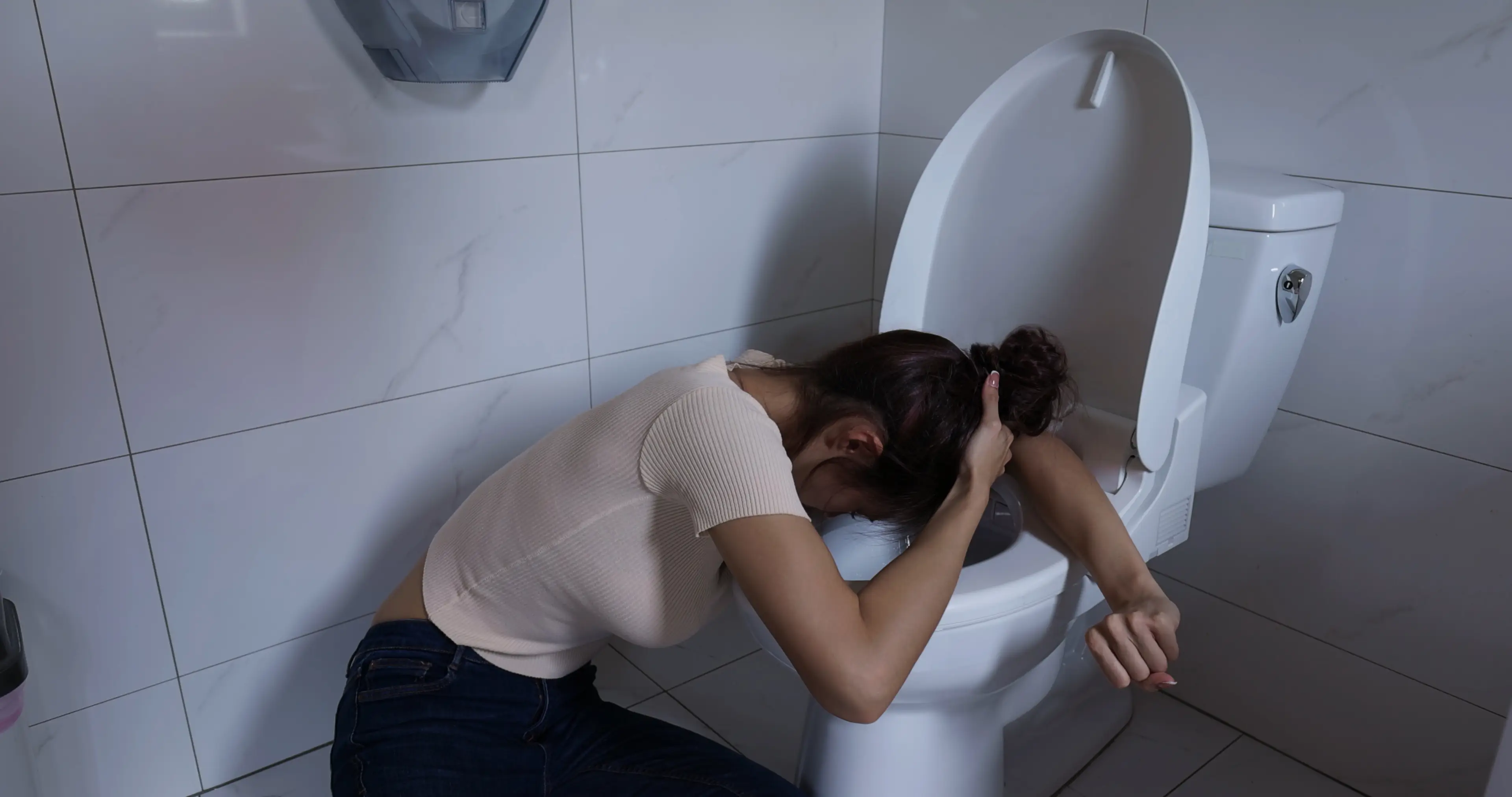
Often referred to as the '24-hour-bug' or 'winter vomiting bug', norovirus is a viral infection which causes vomiting and diarrhoea in patients. It is sometimes called 'stomach flu' although it is not related to the influenza virus.
Norovirus is considered to be highly contagious, spreading through direct contact or touching surfaces where a person with norovirus has been; which means the bug is likely to be prevalent in schools, hospitals and public transport during the colder months.
And now the NHS has warned it is facing a possible spike in cases, as recent data shows that thousands of hospitals have treated patients with norovirus symptoms.
Advert
According to NHS figures, an average of 1,012 hospital beds were filled each day in the week to February 15 by people with norovirus symptoms – a nine percent increase since the previous week's average of 950.
It is the highest weekly figure this winter and follows a period in early February when infections looked to have levelled off, having risen steadily for much of January.
While most cases of norovirus will typically run its course within 24 to 72 hours, people can end up hospitalised from the complications such as severe dehydration.
This is particularly common in young children, the elderly and people with weakened immune systems.
Mild to moderate cases of dehydration can often be treated at home with help from a pharmacist, with options available including various oral rehydration sachets which are mixed together with water.

However in severe cases it's recommended to seek medical attention if you begin to experience any of the following:
- feeling unusually tired
- confused or disoriented
- feeling dizzy upon standing up
- having dark yellow pee or passing less urine than usual
"It’s vital that we do all we can to avoid a second surge in norovirus at a time when the NHS remains flat out coping with winter pressures," Dr Claire Fuller, NHS national medical director for England, said.
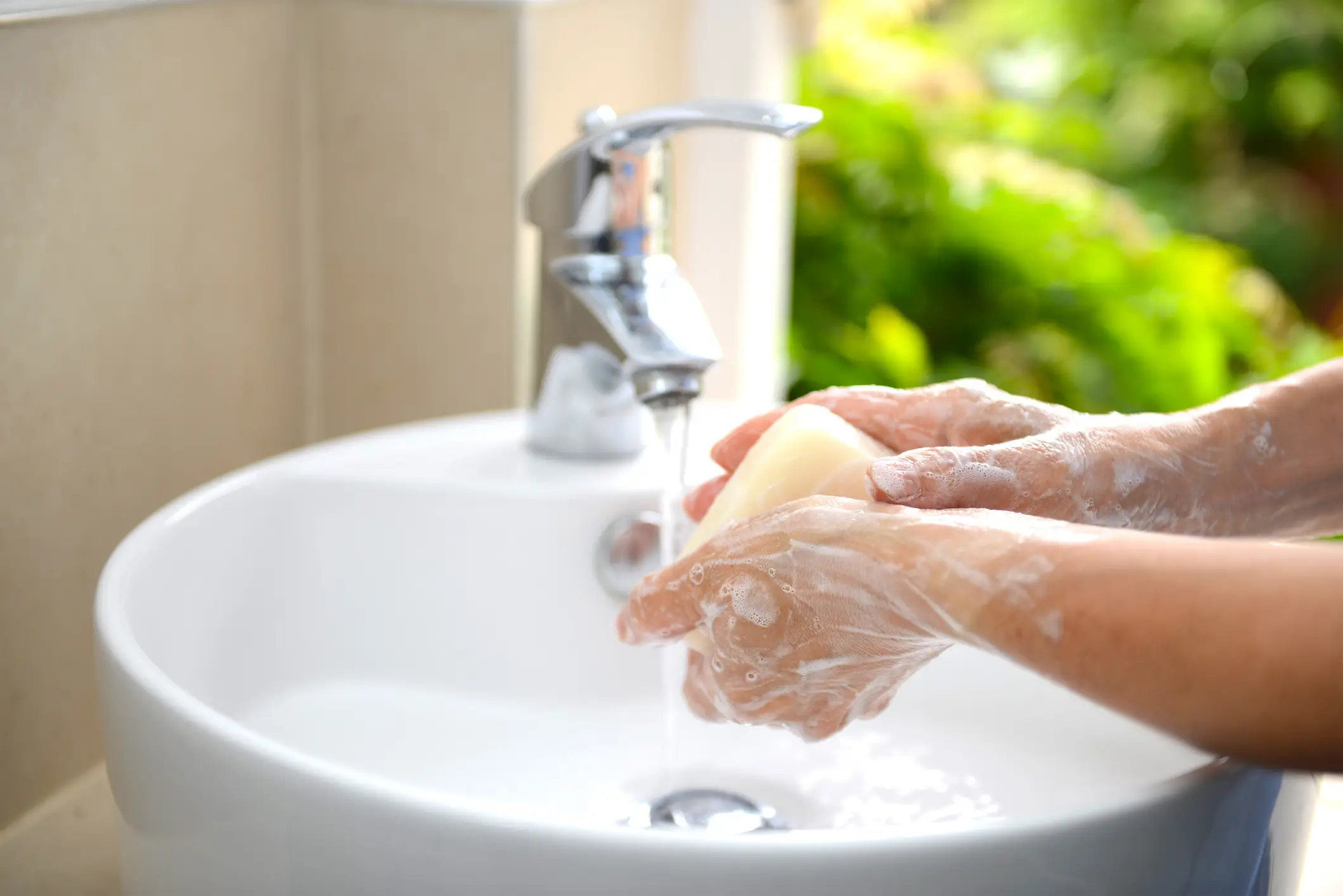
"The public has a huge role to play in stopping the spread of this bug by taking some simple precautions like good hand hygiene with regular handwashing with soap and water."
Sharing advice for people experiencing symptoms of norovirus, she continued: "If you have symptoms, stay home, rest and drink fluids, and please don’t go to places like schools, workplaces, hospitals and care homes until you have been symptom free for at least two days.
"If you have any concerns about norovirus symptoms, local pharmacies can provide support and advice and remedies, or please contact 111 or use 111 Online."
 Brenna Cooper