Doctors share red flag signs after man who pulled out ingrown hair given 4% chance of surviving

Medical experts have highlighted some of the lesser-known signs of the disease that sent a man into a coma and almost killed him.
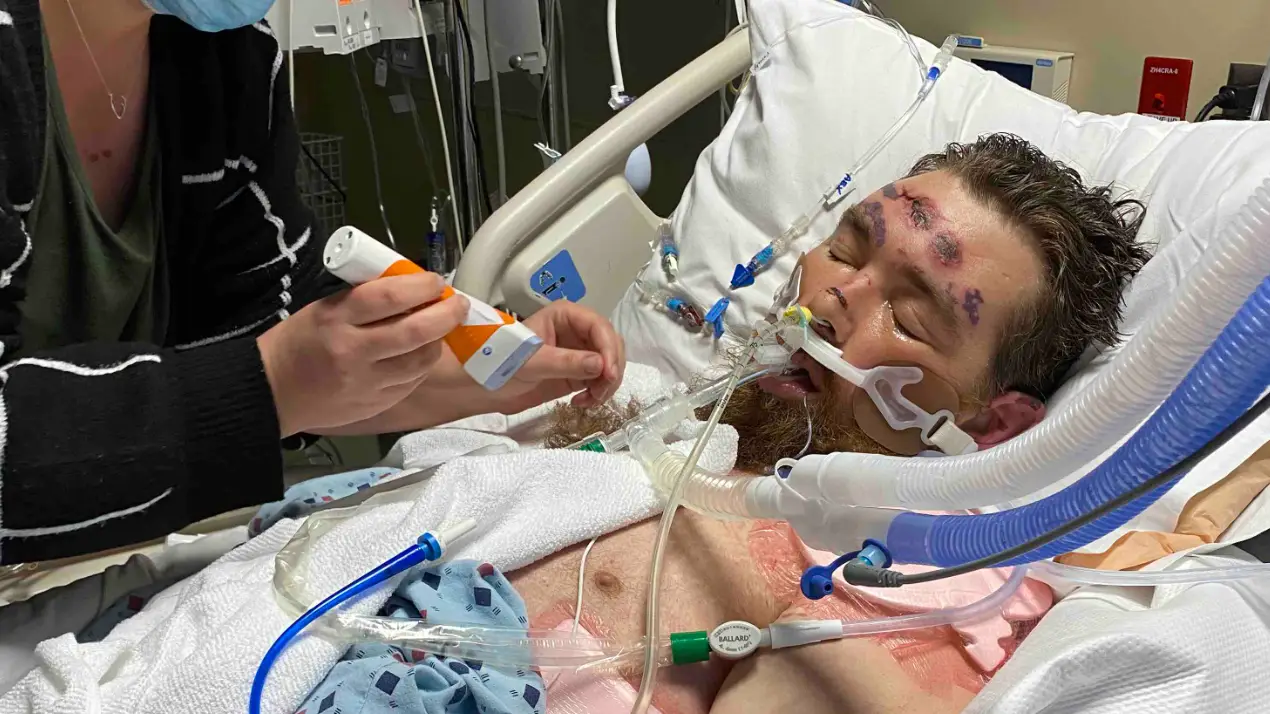
Steven Spinale was diagnosed with sepsis in 2022 and left fighting for his life after trying to remove an ingrown hair from his groin, which quickly became infected due to blood poisoning.
Just 36 years old at the time, he reported feeling 'pretty sick' for a month, with doctors unable to work out what was wrong with him, said his sister Michelle, as all they could figure out was that he 'was bleeding internally from somewhere'.
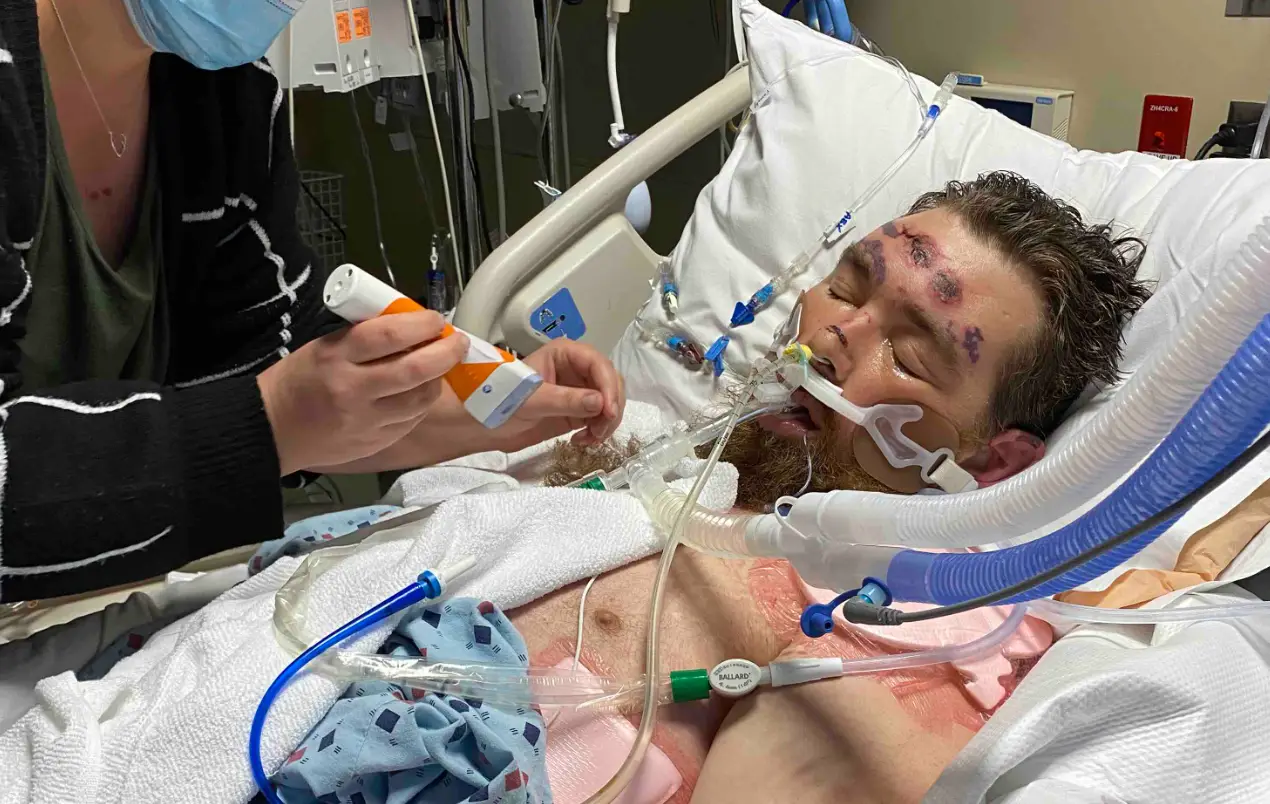
The dad had developed sepsis and was put into a medically-induced coma before undergoing open heart surgery, with doctors declaring him brain dead and giving him just a four percent chance of survival.
What is sepsis?
The deadly disease can be triggered by an infection in any part of the body, occurring when the immune system overreacts, often causing multiple organ failure, and without medical intervention it's almost always fatal.
Advert
It can be hard to spot, though, with numerous common symptoms occurring, which could be caused by a chest infection or flu.
The NHS advises that anyone with 'blue, grey, pale or blotchy skin, lips or tongue' or in a confused state should be taken to A&E.
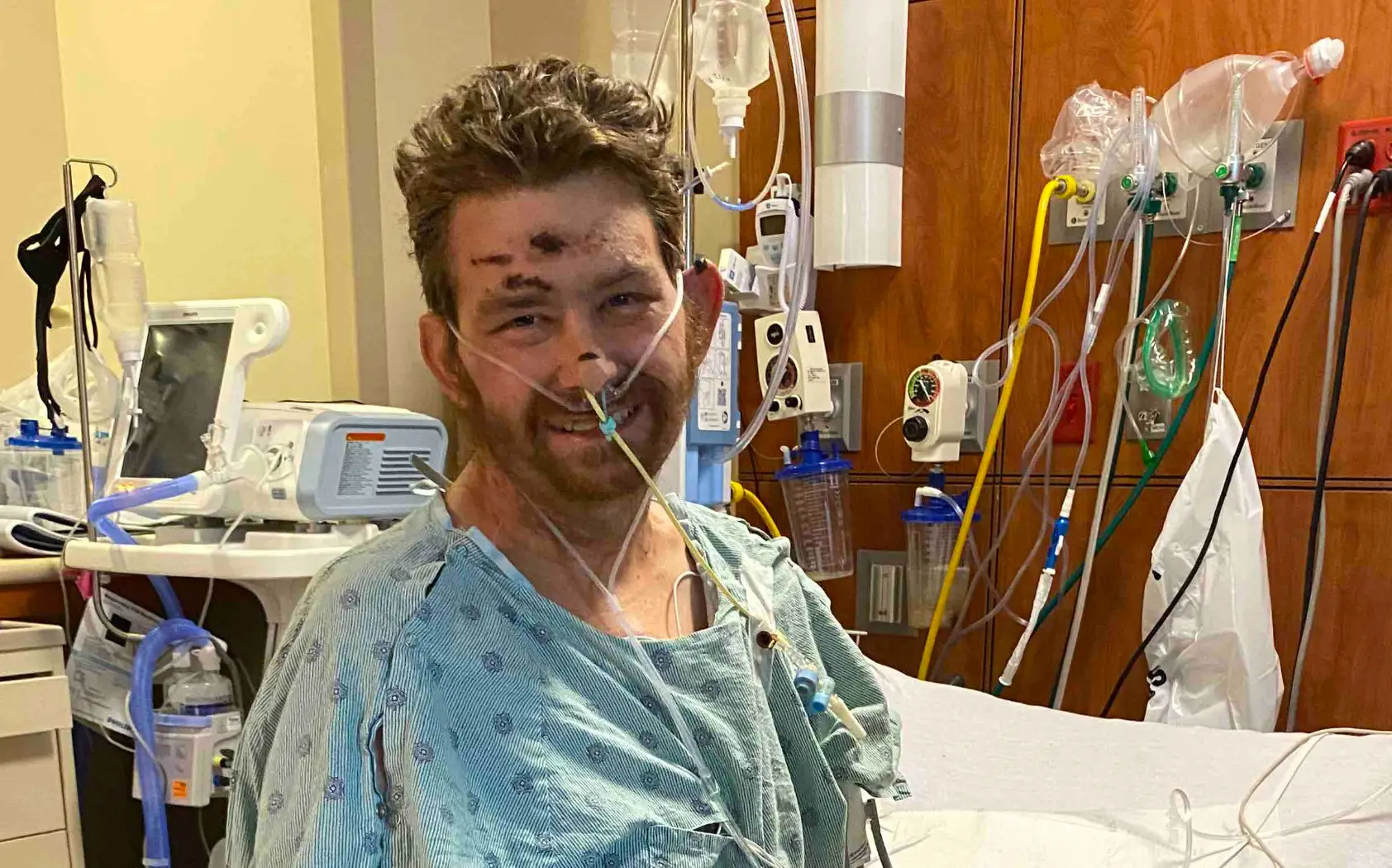
Steven's health declined so badly that he had to be put on life support after developing sepsis from a rare bacterial infection caused by removing an ingrown hair.
According to his sister Michelle, the bacteria had 'ravaged through his body and shut down all his organs', as the Texan also caught influenza A, double pneumonia and acute respiratory distress syndrome (ARDS) in hospital, as well as suffering a small stroke.
What are the red flag signs of sepsis?
Experts have weighed in on the deadly disease, as Dr Suzanne Wylie, GP and medical adviser for IQdoctor, tells LADbible: "It can be triggered by a very wide range of infections, including superficial skin infections, urinary infections, chest infections, abdominal infections and more, essentially any site where harmful bacteria gain a foothold and the host immune response becomes uncontrolled."

"Ingrown hairs are common, but not everyone is aware of how dangerous they can become. These hairs break the skin and create an entry point for bacteria," Dr Donald Grant, GP and Senior Clinical Advisor at The Independent Pharmacy says, adding: "As a result, trying to remove them can quickly cause infection, especially if an individual uses unsterilised tools."
Expanding on the 'early signs' of the condition, Dr Wylie says they 'can mimic benign conditions' such as feeling 'generally unwell, shivering, feverish or having local redness and swelling around the site'.
But there are warning signs that point towards the infection no longer being localised and progressing to sepsis.
"Increasing confusion or difficulty thinking clearly, slurred speech, very rapid breathing or heartbeat, severe breathlessness, mottled or discoloured skin, and dramatically reduced urine output are all recognised red flags," she explains.
Dr Grant notes that infections that begin in the skin can spread to the bloodstream, increasing the risk of conditions like sepsis, 'with early indications often seeming vague or flu-like'.
He says: "Sepsis can develop extremely fast, going from mild to severe in a matter of hours to days, highlighting the importance of early intervention.
"Sepsis occurs when the immune system overreacts to an infection, which in this case was caused by an ingrown hair and worsened by influenza."
Adding: "Lesser-known, or often overlooked symptoms of sepsis include extreme fatigue, confusion, shortness of breath and reduced urine."
"Many of these signs can overlap with other common illnesses, which often delays people seeking treatment. Anyone who believes they may be experiencing signs of sepsis, even mild symptoms, should absolutely seek urgent medical attention."
But while the most extreme cases, such as Steven's, can be truly scary, most, Dr Wylie says, don't end up like that.
Dr Wylie concluded: "Most minor skin infections heal with simple measures or a short course of antibiotics where appropriate. Most do not progress to sepsis...
"Spotting persistent fever, marked lethargy, confusion, shortness of breath or other systemic signs in the context of any infection, even one that started out minor at the skin, warrants urgent professional assessment."
Luckily, Steven regains consciousness and has started to recover, as his sister shared clips of his 'milestones' on TikTok in November 2025.
 Joshua Nair