
New study makes worrying finding about medical marijuana

A new study has warned that the benefits of medical marijuana may not be quite what you expect.
The market for medical marijuana is significant and growing, with Cannabis Industry Data reckoning it's worth €300 million (£263 million) and the second largest market of any European country.
They reckon that the European medical cannabis market could grow larger than €1.5 billion (£1.3 billion) by the end of the decade so demand is clearly there, while the supply of legal cannabis is also expanding to meet this rising demand.
However, a recent study from the University of California has warned that the demonstrable benefits of medical marijuana are only clear for a few uses and the public's idea of what they are useful for outstrips the evidence.
Advert
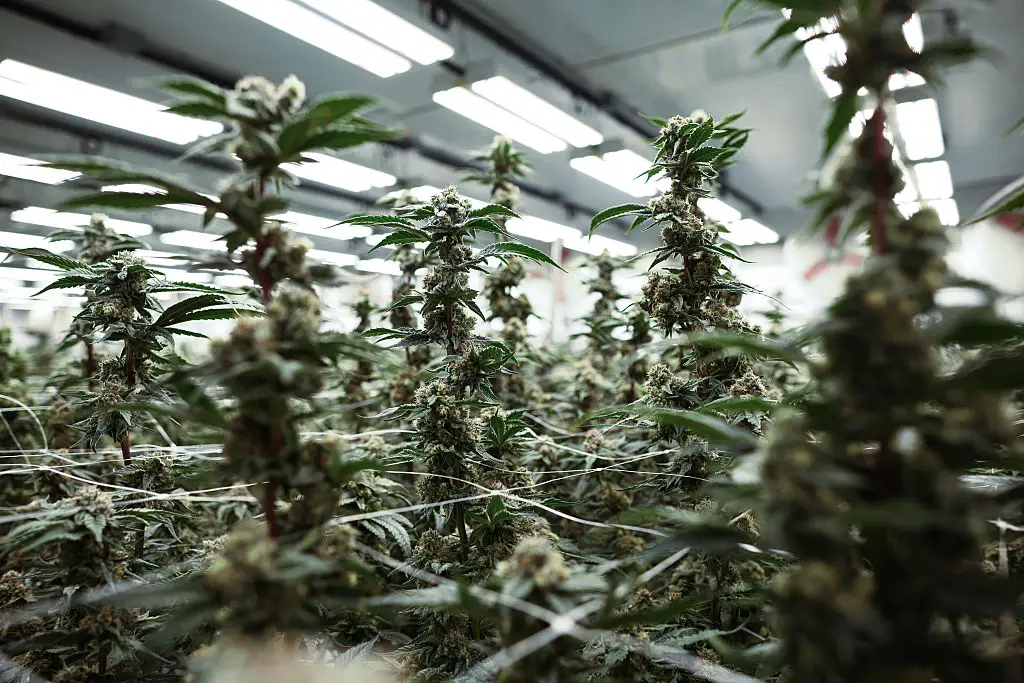
That's not to say there aren't some benefits, the study found that for certain things the clinical evidence did match people's expectations, but it's not the wonder treatment some people think it is.
Researchers found that in over 2,500 scientific papers published between 2010 and 2025 interested in medical marijuana has climbed significantly and that for some treatments it has proven clinically effective.
They learned that for the conditions of HIV/AIDS-related appetite loss, chemotherapy-induced nausea and vomiting and severe paediatric seizure disorders, such as Dravet syndrome and Lennox-Gastaut syndrome, approved and certified medical marijuana treatments did work.
However, for many other things people take medical marijuana for the scientists discovered that the evidence backing it up was more shaky.
They found that evidence was 'uncertain or insufficient', which doesn't mean there isn't any, for using medical marijuana for some of its most popular applications such as a relief for chronic pain.
Study author Dr Michael Hsu, of UCLA Health, warned that people assumed medical cannabis would offer pain relief and there was a gap between what people thought it could do and what it was clinically proven to do.
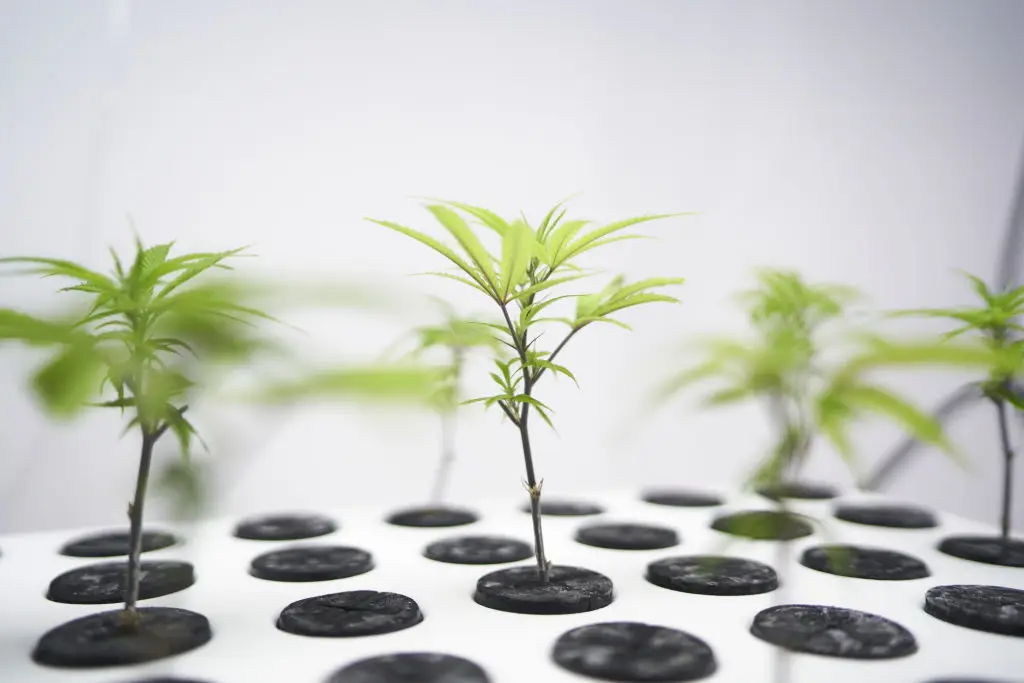
"While many people turn to cannabis seeking relief, our review highlights significant gaps between public perception and scientific evidence regarding its effectiveness for most medical conditions," he said.
"Clear guidance from clinicians is essential to support safe, evidence-based decision-making when discussing medical cannabis with their patients."
Over half of medical cannabis users were taking it for some form of chronic pain.
The study also found that 29 percent of people taking medical cannabis fit the criteria for cannabis use disorder which could lead to cardiovascular problems.
Dr Hsu said there'd need to be further research done on the benefits of medical cannabis as such a wide scope of material studied means there could be many different ways the studies were conducted which might have affected their results.
 Joe Harker