Symptoms of mpox explained as new strain is identified in England

A new strain of the mpox virus has been found in England, according to UK health officials, just months after the World Health Organisation (WHO) declared a global health emergency.
The virus, previously known as monkeypox, was found in a patient who had recently returned from travelling in Asia.
This particular strain contains two major types of the mpox virus, called clade Ib and clade IIb, though it currently doesn't have an official name.
The discovery of this new strain comes a year on from the WHO declared the upsurge in mpox cases as a public health emergency of international concern.
Advert
At the time, cases were on the rise in the Democratic Republic of the Congo and were starting to spread to neighbouring countries, with clade IIb found to be the dominating strain responsible for the spread.

People in the UK are now being urged to get vaccinated against mpox, particularly gay, bisexual and other men who have sex with men. The jab is currently available in the UK for those deemed most at risk, which includes people who have multiple sexual partners, engage in group sex or visit 'sex on premises venues', the BBC reports.
Although mpox is not classed as a sexually transmitted disease, it can be spread through sexual contact. However, it can also be spread from any kind of physical contact, including touching infected clothing, bedding or towels. It can also be spread through coughs or sneezes.
You can also catch mpox from infected animals if you are bitten, you touch their fur, skin, blood, body fluids, spots, blisters or scabs, or you eat meat that has not been cooked thoroughly enough. No infected animals have been found in the UK, though.
What are the symptoms of mpox?
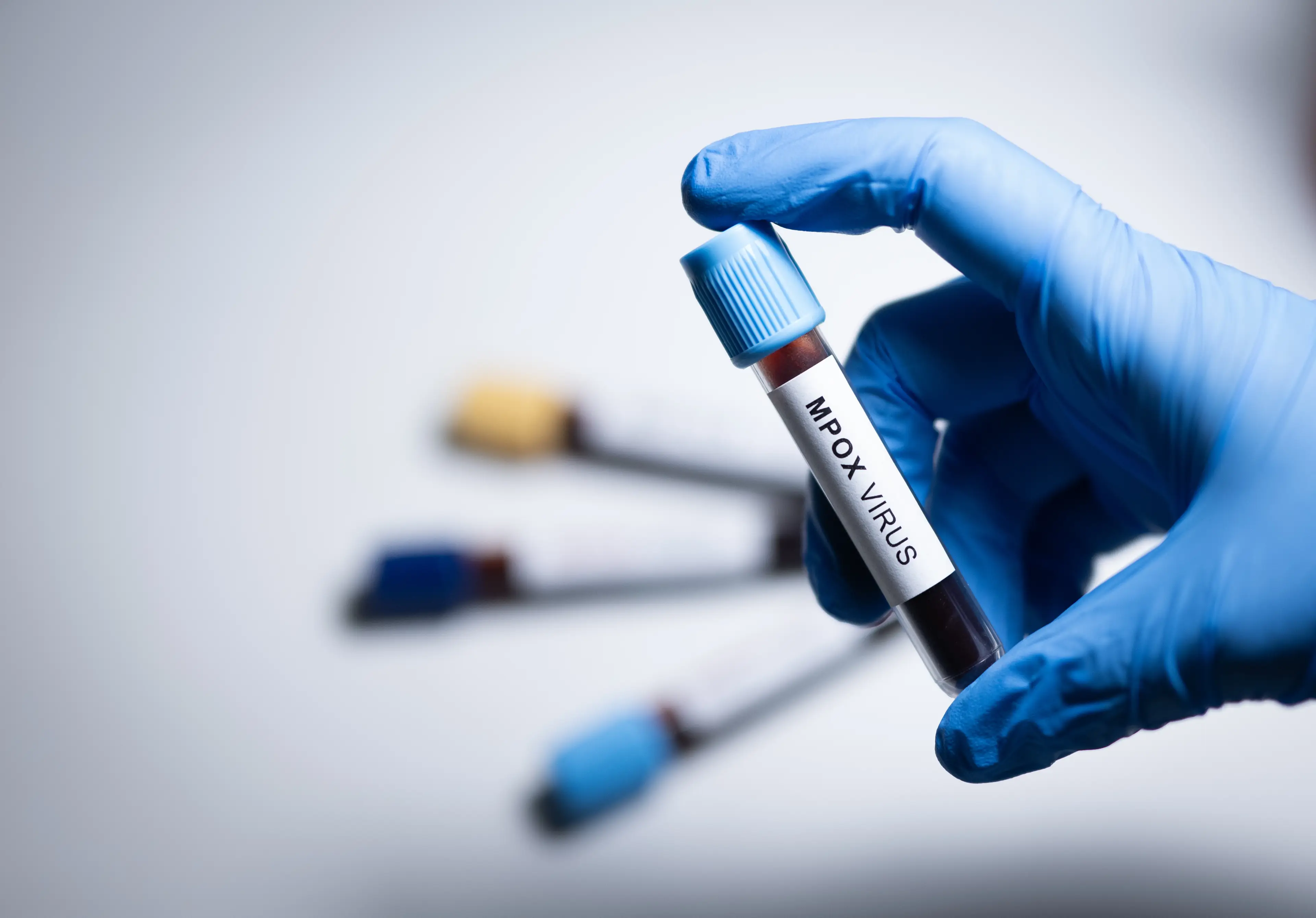
According to the NHS website, it can take between five and 21 days from becoming infected with mpox before symptoms start to arise.
The early symptoms include headaches, muscle aches, backache, swollen glands, a high temperature, feeling hot or cold and shivery or having chills, exhaustion or joint pain.
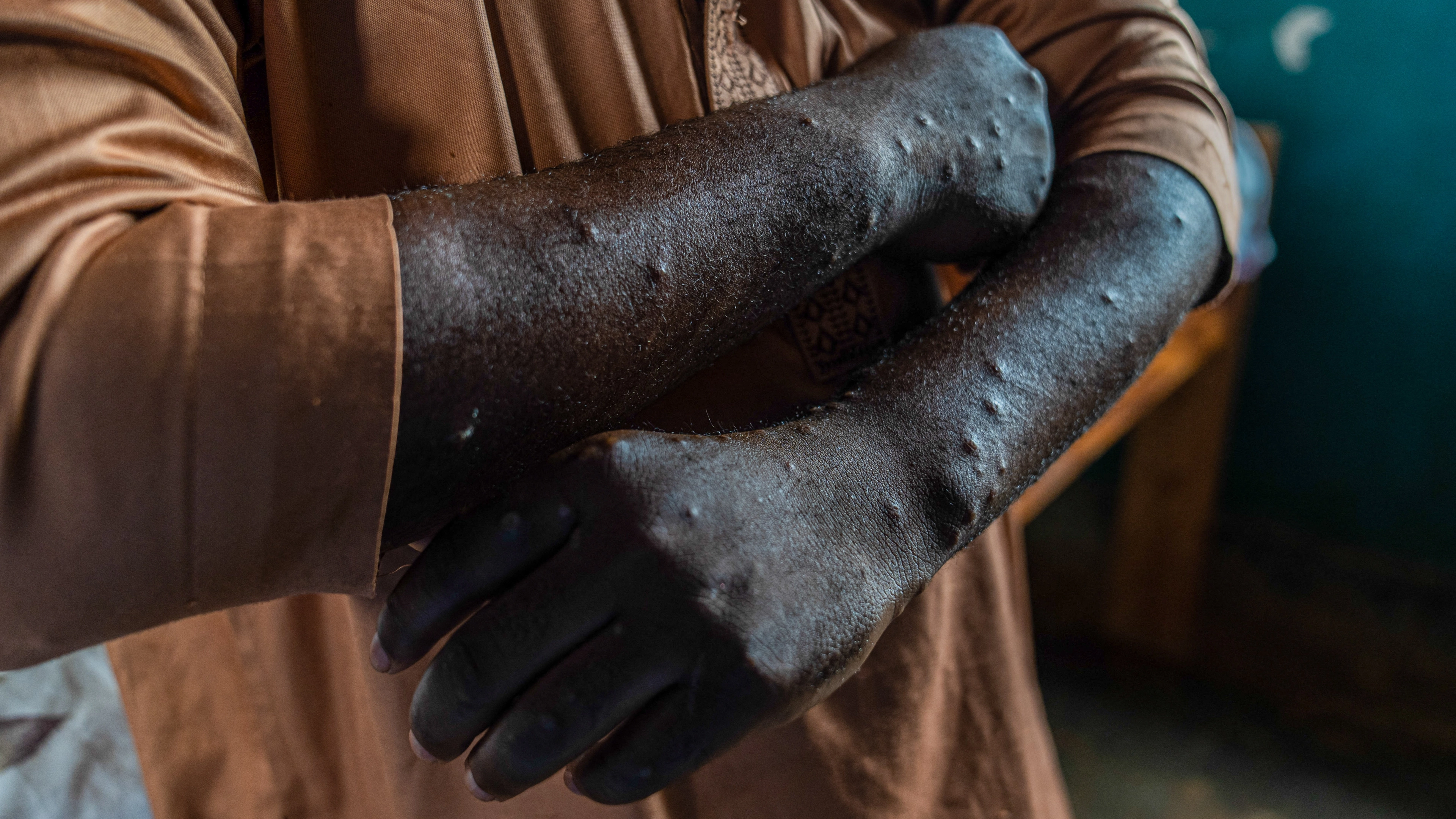
Then, within five days of the first symptoms becoming apparent, a rash usually appears somewhere on the body, which can appear anywhere, including the palms of the hands, soles of the feet, mouth or genitalia. Another potential symptom is pain or bleeding from the anus.
The rash can sometimes be confused with chickenpox, however it differs as it starts as raised spots which then turn into ulcers or fluid-filled blisters.
If you suspect you may have contracted mpox, you should call the NHS 111 line and stay at home, avoiding close contact with other people, until you are given further advice.
 Emma Rosemurgey