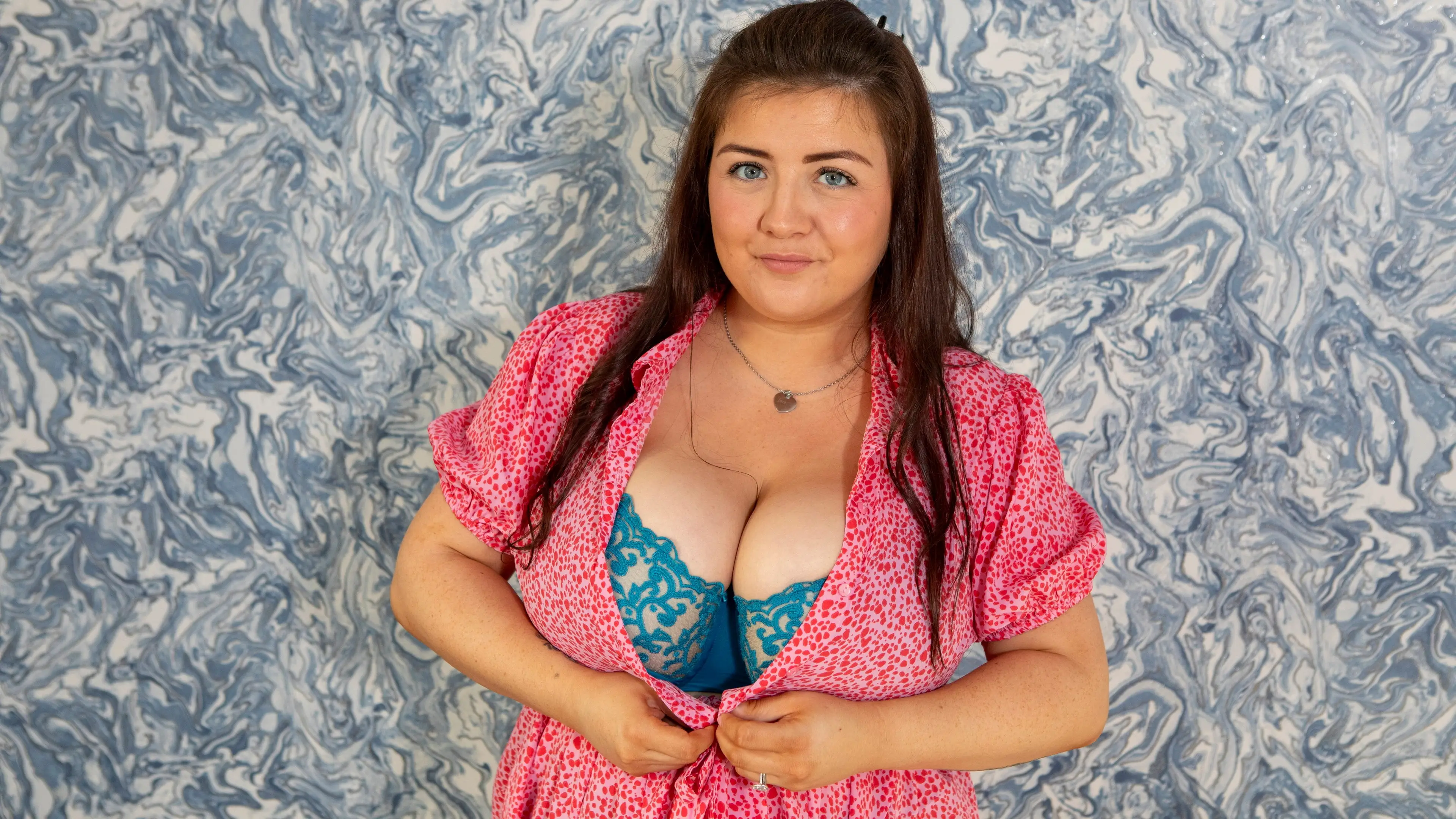
NHS requirements for free 'boob job' as woman with 'Britain's biggest breasts' denied surgery

The NHS has a series of requirements for women looking to get breast reduction surgery from the healthcare provider.
There are several women who live in serious pain and discomfort because their breasts are too large, and this often impedes their attempts to live a normal life.
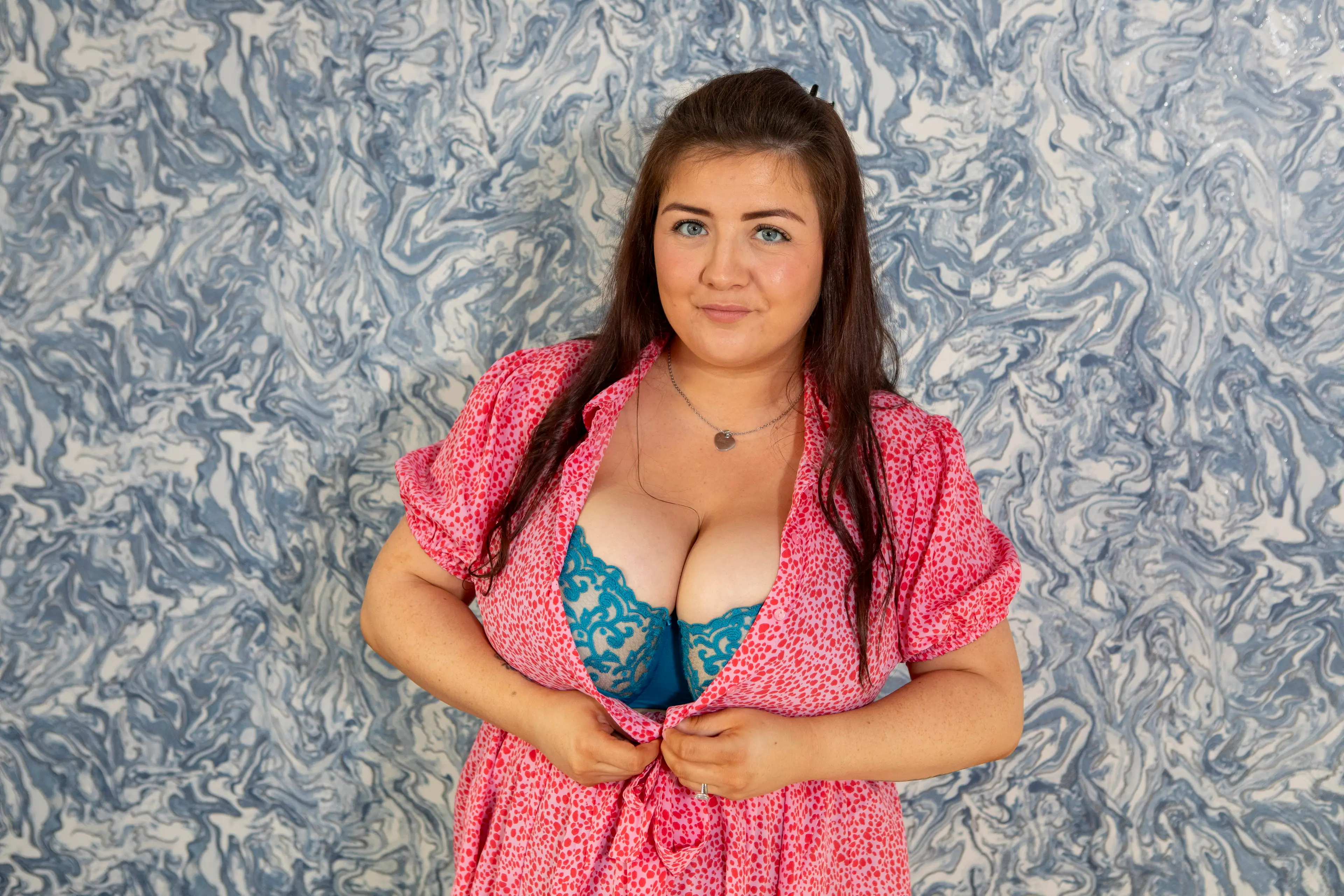
One woman, Melissa Ashcroft, reckons she might have the 'biggest boobs in Britain' as she is a size 36M, and it has caused her all sorts of issues, but she has been told she can't get reduction surgery on the NHS.
The 30-year-old explained that she'd been told a decade ago by a GP that she should wait to get surgery until she'd had children, but now she's got two kids, she says she's been told her BMI would need to come down from 35 to 27 to get the surgery on the NHS.
Advert
According to the BBC, breast surgery remains one of the most common plastic surgeries, with breast reductions having increased by 1 per cent as of 2024.
What does a breast reduction procedure involve?
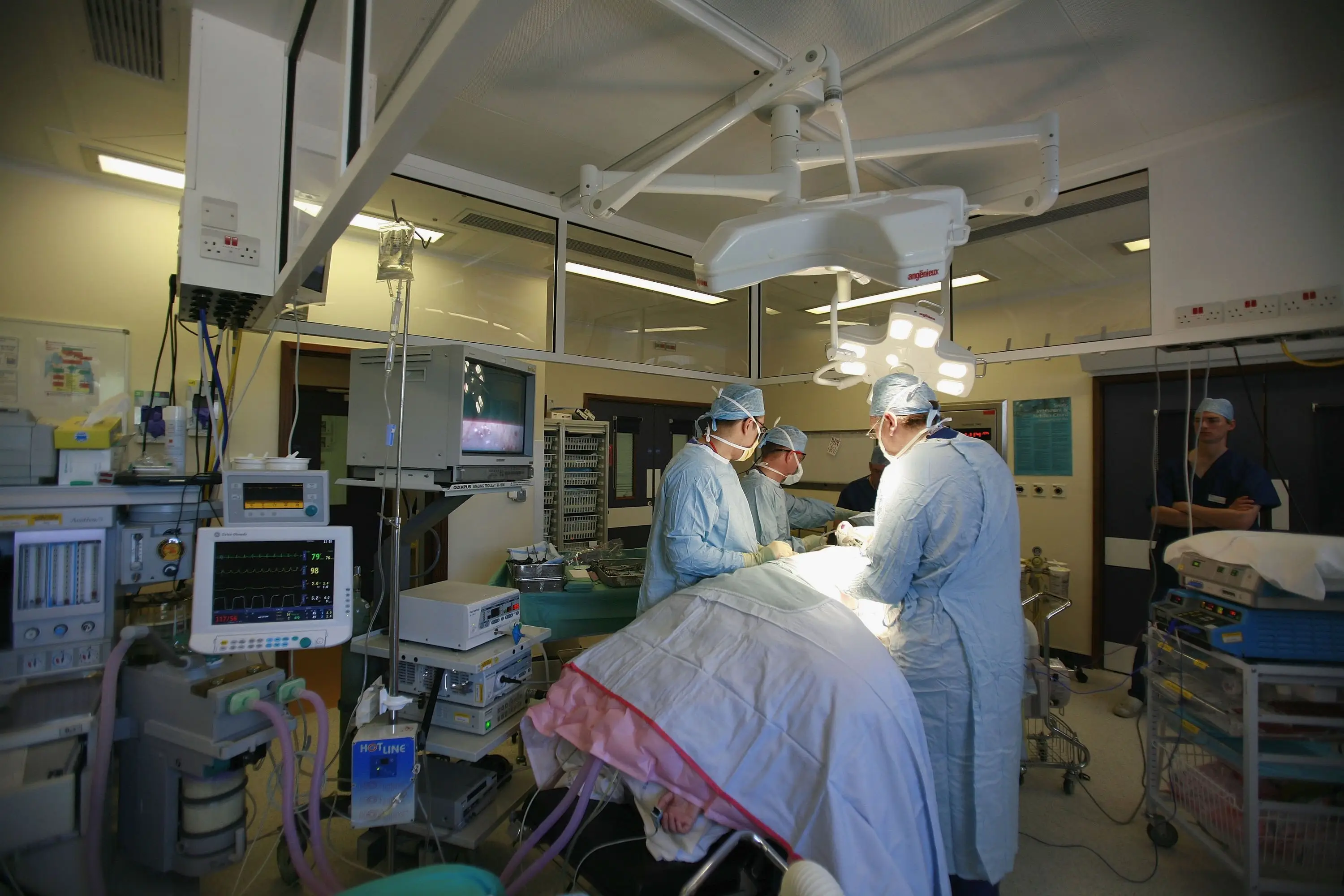
Typically, the surgery would have you put under general anaesthetic, and then over the course of two or three hours, surgeons will move your nipples to new positions.
Then they will cut away the fat, skin and glandular tissue which you no longer need, thus making your breasts smaller.
Afterwards, they will reshape what is left into your new pair of smaller breasts, which ought to be less painful on your back and weigh you down far less.
The NHS says that recovering from this procedure will likely mean you'll have to stay in hospital for one or two nights afterwards.
Health problems to qualify for a breast reduction on the NHS
The health service says you might be able to get breast reduction surgery through them if other options have been unsuccessful and you are suffering from health issues as a result of your breast size.
Those health problems include pain in the back, shoulder or neck, skin irritation, being unable to exercise properly, strain on the bra straps, leaving grooves in the shoulders and suffering from mental health issues such as low self-esteem or depression.
However, there are several other factors, including weight, overall health, and whether you are a smoker.
Melissa, for example, was told that she would need to drop her BMI by several points in order to get breast reduction surgery via the NHS.
The exact requirements can also depend on where you live, since it's up to your local health board, and some of them do not fund the surgery at all, so you can't get it.
Speaking with your GP can help you determine whether you meet your local health board's criteria, and they can also refer you for assessment.
How much does this surgery cost?
Should you be approved for the procedure via the NHS, then breast reduction surgery is free to the patient.
However, they estimate that for those looking to get the surgery done, who end up going private, it costs about £6,500 and then whatever else you need to pay for recovery or follow-up care.
Since Melissa is attempting to go private, she is looking at raising £8,000 since there's more to treatment than just the operation, and you will be required to pay for further care you'd need in the aftermath.
The recovery process of a breast reduction
Surgery is just one part of the procedure; there's a lot of recovering to do afterwards.
Plastic tubes may be needed to drain away blood, and you may be prescribed painkillers to help make the recovery as smooth as possible.
The NHS says that breasts may feel swollen and tender for as long as three months afterwards, though they consider the window of time for a full recovery to be between two and six weeks.
At this time, they recommend taking two to three weeks off work, avoiding strenuous exercise for six weeks, and not driving until wearing a seatbelt is no longer painful.
Scar tissue after reduction surgery is likely, but the NHS says these should fade over time. They also warn that there is a risk of post-operation complications such as wounds not healing properly, a loss of sensation, and no longer being able to breastfeed.
Other potential issues include tissue losing its blood supply, causing it to die off; bleeding inside the tissue; or excess fat, which may require another procedure to remove.
Any type of surgery carries risks; the dangers of developing an infection, a blood clot, or an allergic reaction to anaesthetic are always present.
Fortunately, if this happens, you'll already be in the hospital surrounded by medical professionals, so you'd be in the best possible hands.
 Joe Harker