
NHS warning over sertraline as symptoms of potentially lethal side effect explained

Sertraline is a drug regularly prescribed via the NHS, and like pretty much all drugs it comes with the risk of side effects and harm - whether that's because it's being taken incorrectly or in the extremely rare cases where a person has an adverse reaction.
There is no prescription that comes without risk, but recognising the symptoms of the side effects can help you discuss things with your doctor, who might be able to tweak your treatment or make accommodation for it.
However, no drug is without the risk of side effects and oddly enough people on sertraline are encouraged not to eat grapefruit or drink grapefruit juice while on the medication as it can make the risk worse.
Millions of people are prescribed sertraline without issue each year, though side effects do exist and the NHS has the signs to be on the lookout for.
Advert
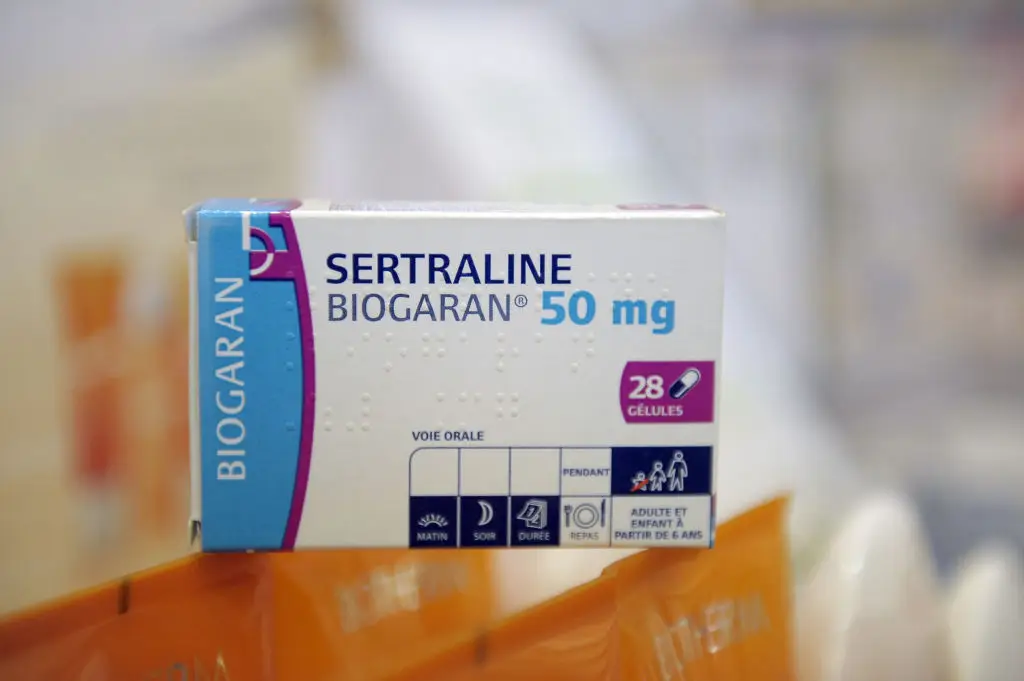
What is sertraline prescribed for?
It's an antidepressant which is widely prescribed for depression and a range of other mental health conditions such as OCD, PTSD, social anxiety disorder and panic disorder.
As the NHS says: "It's thought to work by increasing the level of serotonin (a chemical in the brain that controls mood). When serotonin levels are normal you feel calmer and happier."
It's a selective serotonin reuptake inhibitor (SSRI), which sounds science-y enough that you should always do as your doctor says if you get prescribed with it.
Speaking of which, it's something only available through a prescription, so you can't just buy some over the counter.
The common side effects
Near enough everything you can be prescribed comes with side effects , though the NHS says there will be people who won't get them and for those who do, they'll typically diminish after a couple of weeks.
The main side effects are:
- Headaches
- Feeling sick (nausea) and being sick (vomiting)
- Dizziness or drowsiness
- Dry mouth
- Diarrhoea
- Problems sleeping
- Sexual problems, such as low sex drive (loss of libido)
- Weight gain
Having side effects of any kind of drug that don't go away is cause enough to speak with your doctor, and the experts are pretty clear that if you forget a dose you shouldn't take two to make up for it.
Instead, you're meant to skip the dose you missed and then carry on as normal.
The very rare side effects
In incredibly rare circumstances, a person might experience more serious side effects which require a discussion with a doctor.
People who take more than one dose of the drug at a time are advised to call 111 and get it sorted out, but there are some seriously rare things that could happen.
They include:
- Allergic reaction (anaphylaxis) – causing symptoms such as a swollen throat or tongue, a raised, itchy rash and difficulty breathing
- Serotonin syndrome – a rare but serious condition that causes a fast heartbeat, sweating, shaking, twitching muscles and feeling confused or agitated
- Feeling very low and having suicidal thoughts
If you're feeling these then you're advised to call 111, as serotonin syndrome in its most severe cases can trigger life-threatening symptoms.
They can give a person a fever, tremors, seizures, an irregular heartbeat and cause them to fall unconscious.
Of course, these medications wouldn't be prescribed if they weren't incredibly safe but there is still the very slim chance it can happen.
Topics: Mental Health, NHS, Health, Drugs
 Joe Harker