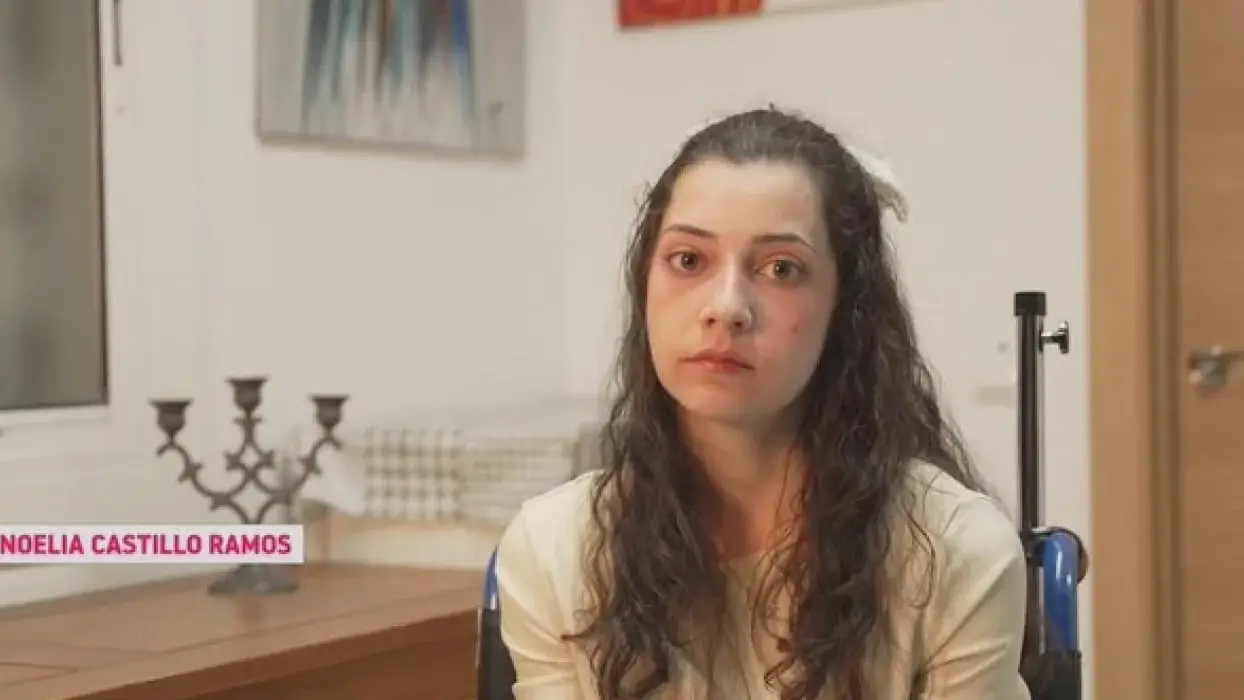
Paralysed woman dies by euthanasia after devastating assault

Warning: This article contains discussion of assisted dying, mental health and rape, which some readers may find distressing.
Noelia Castillo Ramos, who became the first citizen in Spain to qualify for assisted dying on the grounds of mental health, has now died by euthanasia, according to a statement.
The 25-year-old from Barcelona, Spain, was paralysed from the waist down and struggled with her mental health. She had been left traumatised by a number of sexual assaults, including a brutal gang rape while she was living in a state-supervised centre for vulnerable young people.
Noelia's dad had attempted to block the euthanasia, with support from the conservative advocacy group Abogados Cristianos (Christian Lawyers). He had argued that her mental health was affecting her ability to make a free and informed decision.
This, however, was dismissed as the court honoured Noelia's request. It was maintained that there was ‘no violation of fundamental rights’, and it was decided she had the ‘full capacity’ to make the choice.
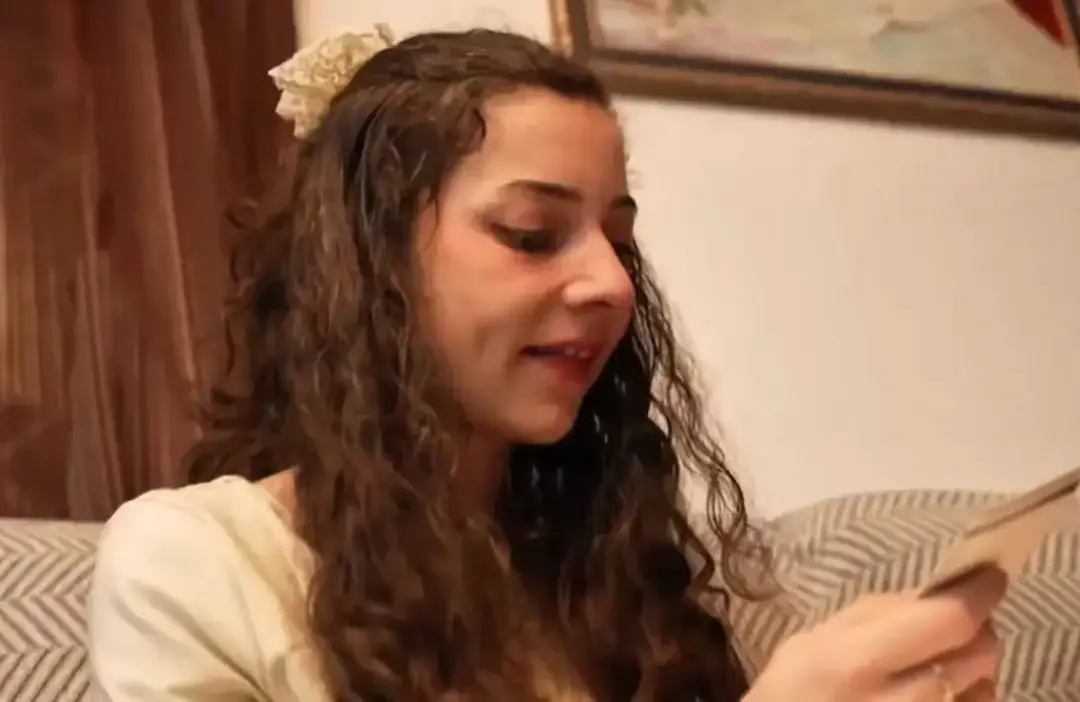
A statement from Christian Lawyers, released this evening (26 March), reads: "Noelia has already been euthanised.
“At Christian Lawyers, we deeply regret her death and denounce that this case highlights the serious flaws in the euthanasia law, which does not protect the most vulnerable people.
“We urge politicians to use her story to drive urgent changes and prevent something like this from happening again.
“Thanks to everyone who has empathised with the family during these very difficult times. You can understand that the parents are broken after years of trying to support her in her rehabilitation.”
'I just want to leave in peace now'
Noelia had previously attempted to take her own life and lived in chronic pain, with deteriorating mental health.
She told Antena 3 in a final interview before her death: "None of my family is in favour of euthanasia.
"But I think, all the pain I’ve suffered over the years… I just want to leave in peace now and stop suffering, period.
“And a father’s, or a mother’s, or a sister’s happiness doesn’t have to come before a daughter’s happiness or sadness of a daughter’s life.”
Under Spain's laws for euthanasia, Noelia's condition was deemed 'serious, chronic and disabling'.
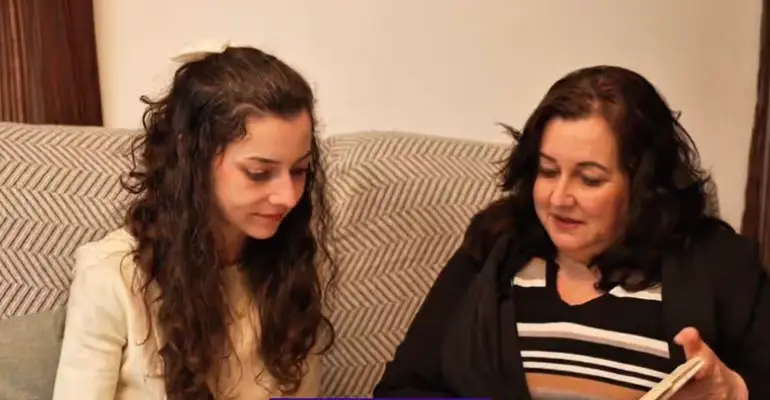
Her parents had tried to intervene previously, and while her mum, Yolanda, said she did 'not agree' with her decision, she said she would 'always be by her side'.
"If she doesn’t want to live, I can’t take it anymore," she explained.
Noelia had a difficult childhood and spent parts of her life in institutional care.
What does the assisted dying law in Spain actually allow?
In 2021, Spain became the fourth European Union country to legalise euthanasia and assisted suicide for specific people, if they fit meet certain criteria, which are:
- Suffering from a 'serious or incurable illness'
- Or a 'chronic or incapacitating' condition that causes 'intolerable suffering'
- Be an adult Spanish national, or a legal resident
- Be 'fully aware and conscious' when they make the euthanasia request, which has to be submitted twice in writing, 15 days apart
For the request to go through, a doctor must review and approve it, alongside a second medical professional and an evaluation body. Doctors are able to reject any request that doesn't meet the criteria, and reserve the right to withdraw from the euthanasia procedure on the grounds of 'conscience'.
For advice, support, and more information, you can contact the nurse-led specialist team at Compassion in Dying via their helpline 0800 999 2434. You can also email them at [email protected].
Additionally, if you're experiencing distressing thoughts and feelings, the Campaign Against Living Miserably (CALM) is there to support you. They're open from 5pm–midnight, 365 days a year. Their national number is 0800 58 58 58 and they also have a webchat service if you're not comfortable talking on the phone.
Topics: Mental Health
 Jess Battison