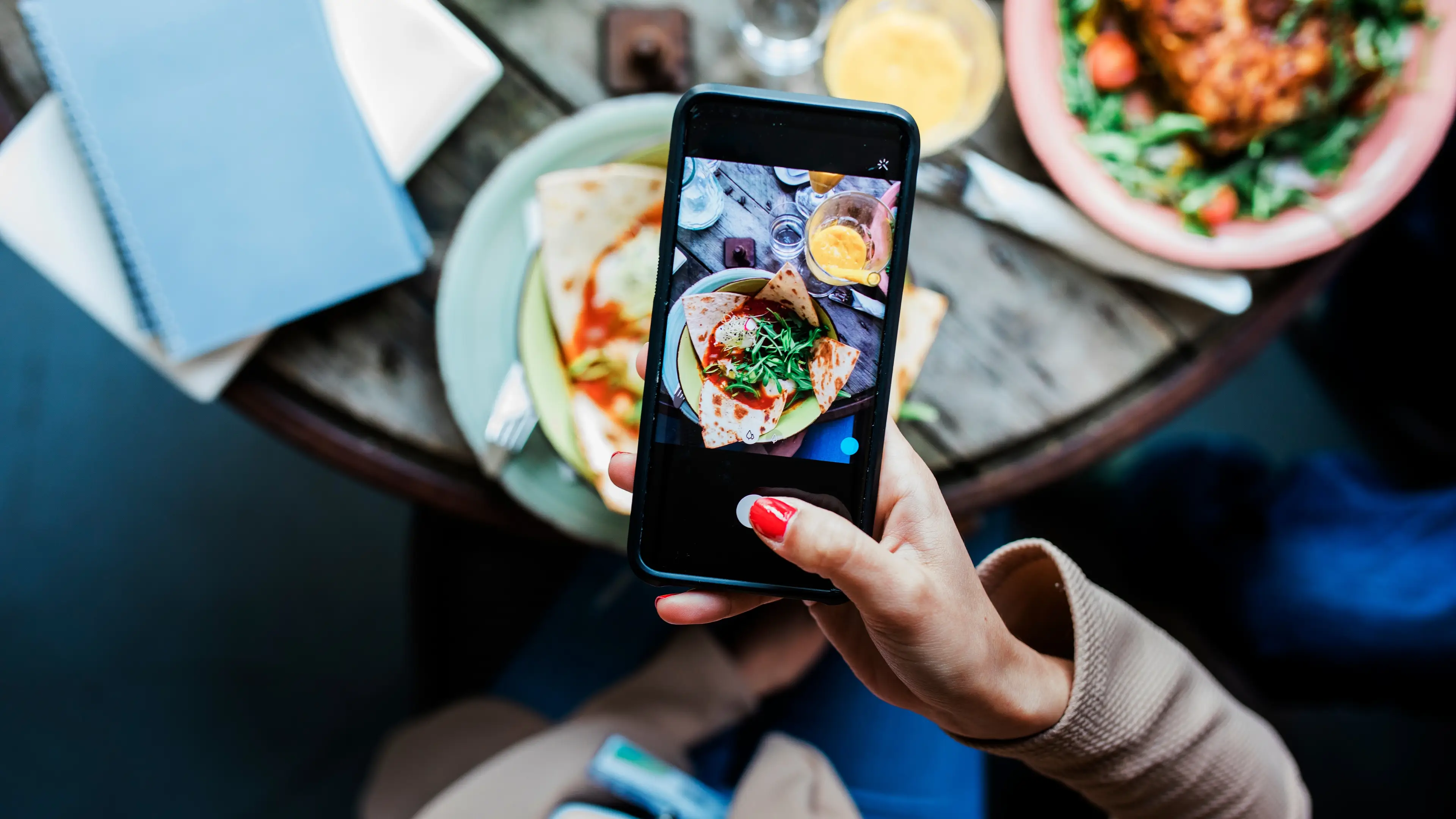
Expert explains disorder orthorexia that can be made worse by social media

Warning: This article contains discussion of eating disorders which some readers may find distressing.
A relatively new and uncommon eating disorder called orthorexia can be impacted by social media use.
There are several kinds of eating disorders which can negatively affect a person, and they are each different in their own way.
A series of studies into orthorexia have found it can leave a person with feelings of guilt and shame over their food intake, and can result in malnutrition through not eating enough.
Advert
Dietitians Beth Auguste and Beth Heise told the Huffington Post it was not something that could be diagnosed, but they expect orthorexia to become an official eating disorder diagnosis in time.
“It’s subclinical disordered eating, so it’s not something that has a clinical diagnosis code, but it’s widely recognised in the disordered eating community,” Auguste said.
What is orthorexia?
Dietitian Annabel Gipp explained that its full name was 'Orthorexia Nervosa', a term first proposed in 1997, which has only gained more awareness in recent years.
She explained that it described someone who gained a 'rigid and fixed obsession with healthy eating', which meant fixating on 'pure' foods and wanting to avoid bad food.
The expert explained that the focus of this eating disorder was on the quality of the food consumed rather than the amount, and could cause a person to become very worried about what they were eating.
A person with orthorexia might have strict rules where they only eat certain foods, spend a lot of time researching food to determine the ingredients within and whether they fit the rules, and spending a lot of time getting or preparing food to meet a restrictive criteria.
It is also particularly prevalent among people who work in nutrition and exercise.
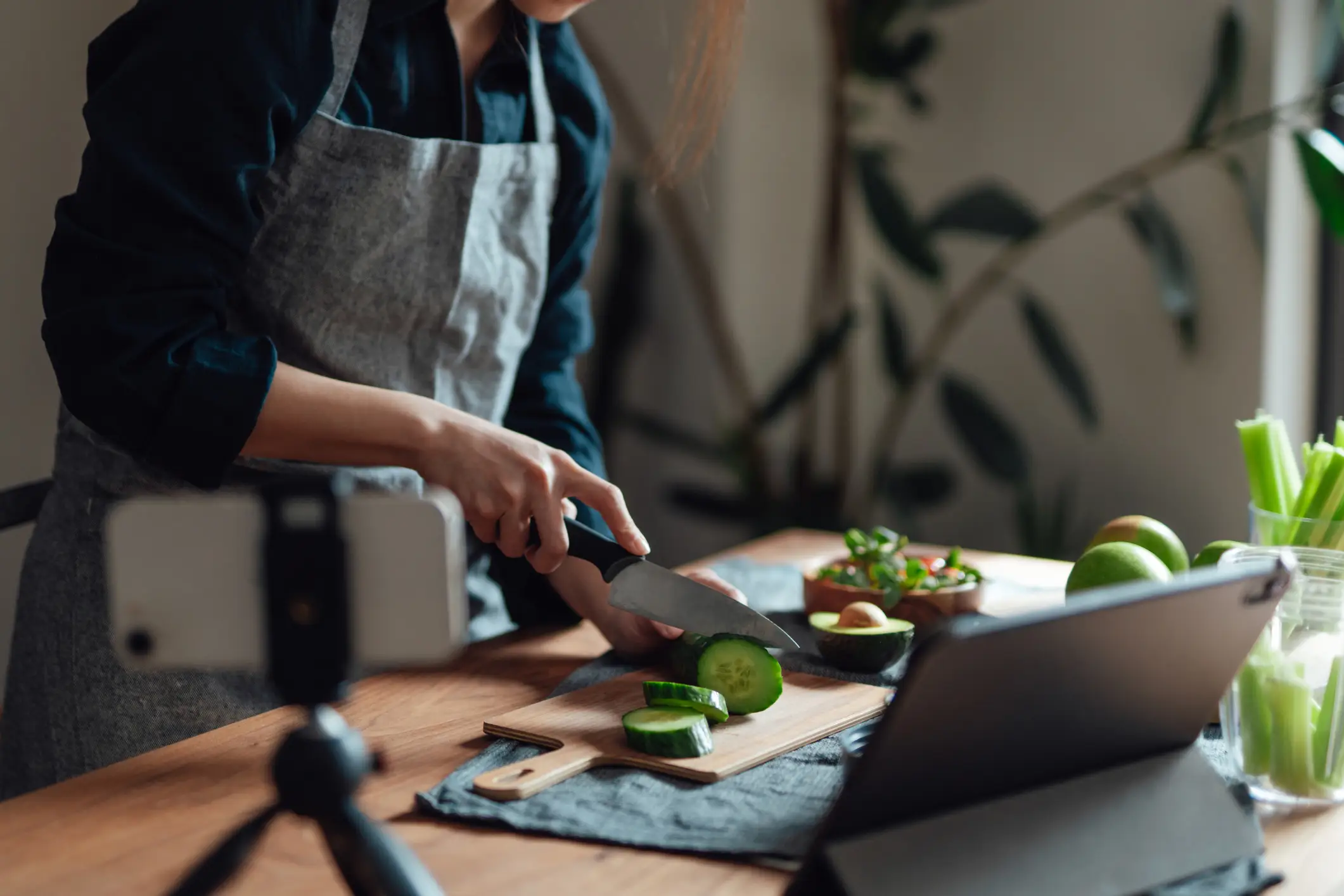
How can social media impact orthorexia?
Gipp explained that use of social media sites like Instagram have been linked to increased reports of behaviour consistent with orthorexia.
A study into the eating disorder found that the image-based nature of the social media site and posts from the healthy eating community on it were 'linked to increased symptoms'.
Images people were exposed to normalised eating behaviours that were not healthy despite being sold as such, while highlighting the influence certain large accounts such as celebrity profiles have on people.
What to do about orthorexia?
August and Heise advised talking to a dietitian or a mental health professional if you are concerned you have orthorexia to work out whether you're focused on eating healthily or are engaging in unhealthy behaviours in pursuit of perceived health goals.
"You can definitely recover from orthorexia if you have the right support," Heise said.
"So, as soon as you feel those feelings, address it as early as possible so that it doesn’t turn into something that rules your life."
They advised not to get caught in social media trends and to remember that healthy eating isn't always going to be something you do perfectly.
If you've been affected by any of the issues in this article and would like to speak with someone in confidence, call the BEAT Eating Disorders helpline on 0808 801 0677. Helplines are open 3pm-8pm Monday to Friday. Alternatively, you can try the one-to-one webchat.
Topics: Social Media, Mental Health, Health
 Joe Harker