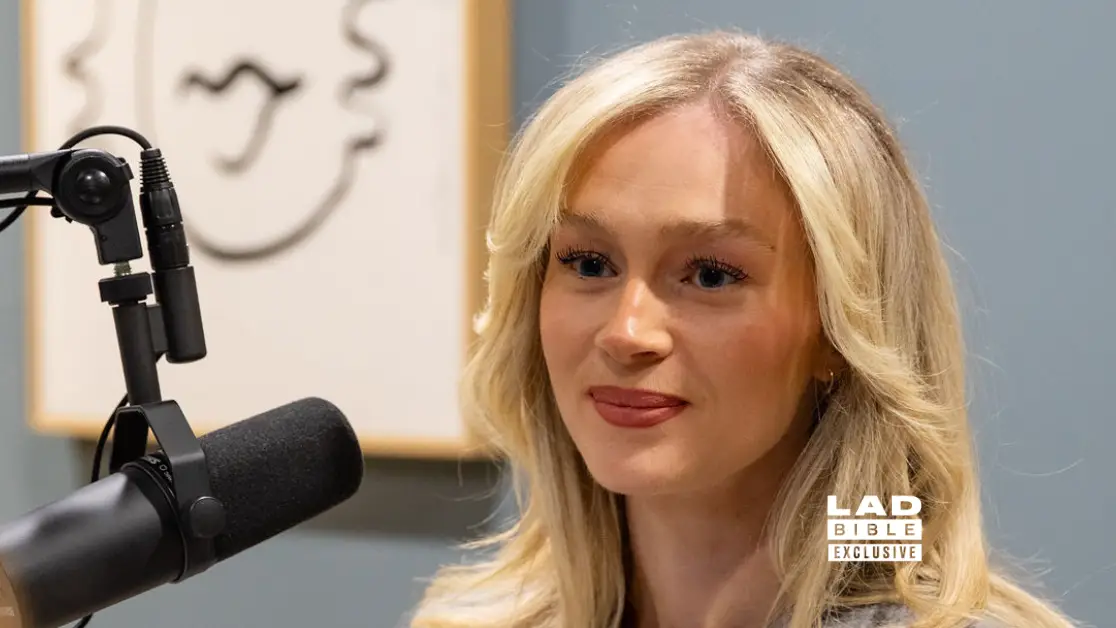
Woman shares moment she got help for anorexia after attempt to reach 'ideal weight' left her 'shrieking in pain'

Warning: This article contains discussion of eating disorders, which some readers may find distressing.
A woman with an eating disorder said she sought help after a bath left her 'shrieking in pain'.
Alex Young told LADbible she had 'always had a really healthy and happy relationship with food and exercise' until she got to the age of 18.
Not sure if she should go to university or start working, Alex reckoned 'everyone just seemed to have something to do, and I didn't', and having always been active, she spent more time at the gym.
Advert
She remembered that one time she used a body tracking machine which told her she was a couple of kilograms heavier than her ideal weight, and when a personal trainer told her she could lose it in a week, she made it her goal as she reckoned she had 'nothing else to do'.
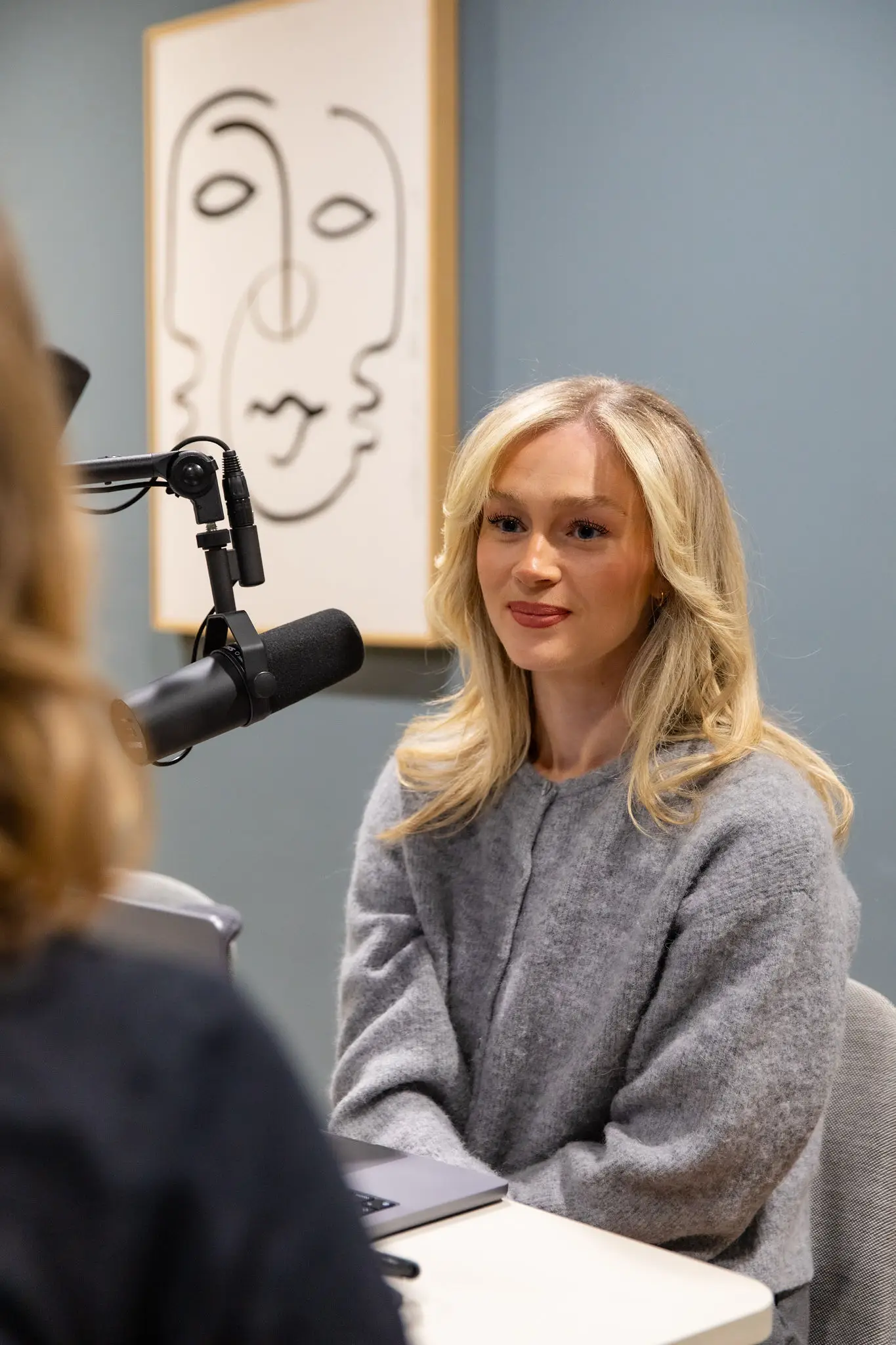
She started tracking her fitness and calorie intake, explaining that 'overnight' her relationship with food 'completely shifted'.
The 29-year-old lost the weight within a week 'and then some more' as she carried on losing weight as she felt 'compelled to keep going because I could control everything' until she developed anorexia.
Alex described that one part of her brain wanted to continue with the weight loss while the other half wanted to enjoy being 18, going out with her friends to the point she felt 'annoyed with herself' for not doing the things she wanted to do.
"Unfortunately, the half of my brain that was kind of more what I would describe as the Alex side, my personality, just became less and less and less and less, and the eating disorder part took over," she explained.
"I could always feel it, but it got quieter and quieter the eating disorder became so addictive and strong in my mind, and the routines that I built around it were really hard to break."
She got stressed at her mum for not knowing how many calories were in the cooking oil she used and couldn't accurately track her calorie intake, and after several weeks her mum suggested Alex go and see a doctor.
Unfortunately, the doctor she saw told her to 'snap out of it' and that she had nothing to worry about, which didn't help, and things got worse for her 'throughout the year'.
Feeling 'really unattractive' and like she just wanted to be normal, Alex explained that the 'real low point' came when she visited her parents over Easter after working as an au pair.
When she got home, 'no one really knew what to say', but Alex remembered they 'looked terrified', with her mum running her a bath, which she said was 'so painful' because she 'didn't have any fat at all'.
She said: "I was shrieking in pain and I just thought, ‘Oh my God, I need help, I need help’. I remember saying to my parents immediately after that bath, ‘I need to speak to a doctor because I need help’.
"They were so relieved. They were overjoyed, and I knew it wasn't gonna be easy because I didn't want to gain any weight."
Going to see a different doctor, who she says was 'brilliant', he told her he would normally admit her to hospital as her 'white blood cells were really, really low', but if she promised she would stick to a meal plan, she could stay with her family.
She made the promise and stuck to the meal plan even as 'the anorexic part of her brain' was telling her not to eat, and her family helped normalise the eating.
“You don't wanna be around people that are like, 'Oh, I won't have the dessert because I wanna fit into my small dress size'," she explained of the right conditions for recovery.
“You can't hear any of that."
Alex also recommended 'coming off any kind of social media where you're presented with anything that's triggering', and instead having people around you who would remind you of 'all the things you'll be able to do once you're better'.
She remembered trying to convince herself she had something other than anorexia, Googling whether she had Crohn's disease as it was 'easier to tell yourself you're ill with something that is out of your control than I've done this to myself'.
Alex said 'you know when something isn't right', and suggested speaking to more than one person once you knew something was wrong.
Keeping her promise to the doctor, Alex's recovery has gone well and she credited 'having family that support you' and 'people that will sit and eat meals with you' in her life as helping her on the steps to recovery.
Having now recovered from anorexia, Alex has gone on to enjoy a successful life and career.

Alex explained that Christmas can be a particularly difficult time of year for people with eating disorders.
"With Christmas, food is everywhere. You have less routine, and also, there's a lot of pressure to feel grateful and happy," she said.
“You also feel like you're being watched by more people, people you don't necessarily see, people who might not have seen you in a while, who then see you again and notice that you look different.
“The whole thing is even more uncomfortable than any other time of the year."
She said she would avoid food if she could manage it, but people could tell when she was lying to them about just having eaten, and she remembered one particular New Year's Eve where she was out with her family and friends and 'just freezing' because she was so thin.
Alex said she felt 'guilty' trying to treat herself to a hot chocolate, saying that the festive period could be 'so anxiety inducing for somebody struggling'.
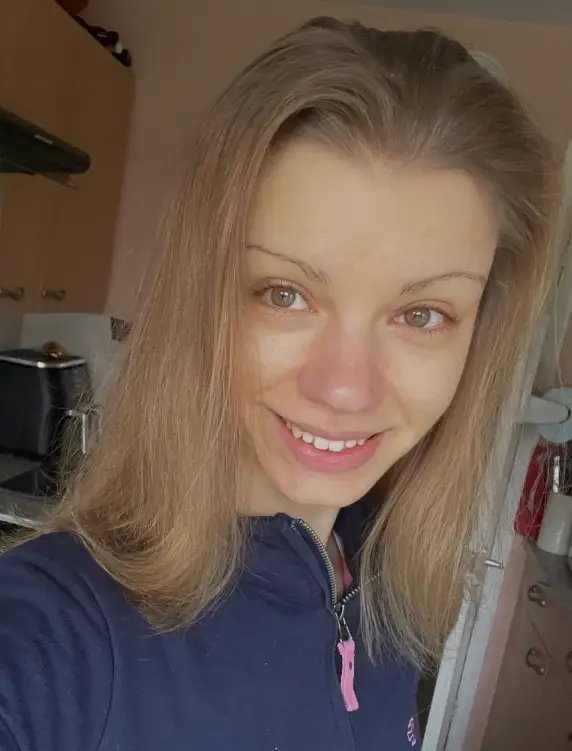
Sophie O'Sullivan, who also had anorexia, opened up to LADbible about the condition and admitted 'Christmas brings up a lot of pressure around social eating'.
The 29-year-old said there was 'lots of pressure to have the same things as a lot of other people are having', and it made for a 'daunting, anxiety provoking time'.
Her advice to those facing Christmas and worried about how to navigate it was to share their 'worries and anxieties' with someone, while for those who were wondering how to help someone else through it, she had some tips.
She said: “I would say ‘don’t make comments about what I’m having’, because I feel like people don’t do that for anyone else. Don’t treat me differently in that environment, have a lot of positive talk around food like ‘that looks really nice’ or those kinds of normal conversations.
“Keep it to what the event’s about, enjoying time with others and not the essential part being about food.”
Sophie said recovery from an eating disorder was a process she was 'still going through' and 'isn't one size fits all', encouraging people to speak to someone and that charities such as Mind or BEAT were available.
If you've been affected by any of the issues in this article and would like to speak with someone in confidence, call the BEAT Eating Disorders helpline on 0808 801 0677. Helplines are open 3pm-8pm Monday to Friday. Alternatively, you can try the one-to-one webchat.
Topics: Mental Health, Christmas, Health
 Joe Harker