
Similarities between Ozempic and metformin following warnings over side effects

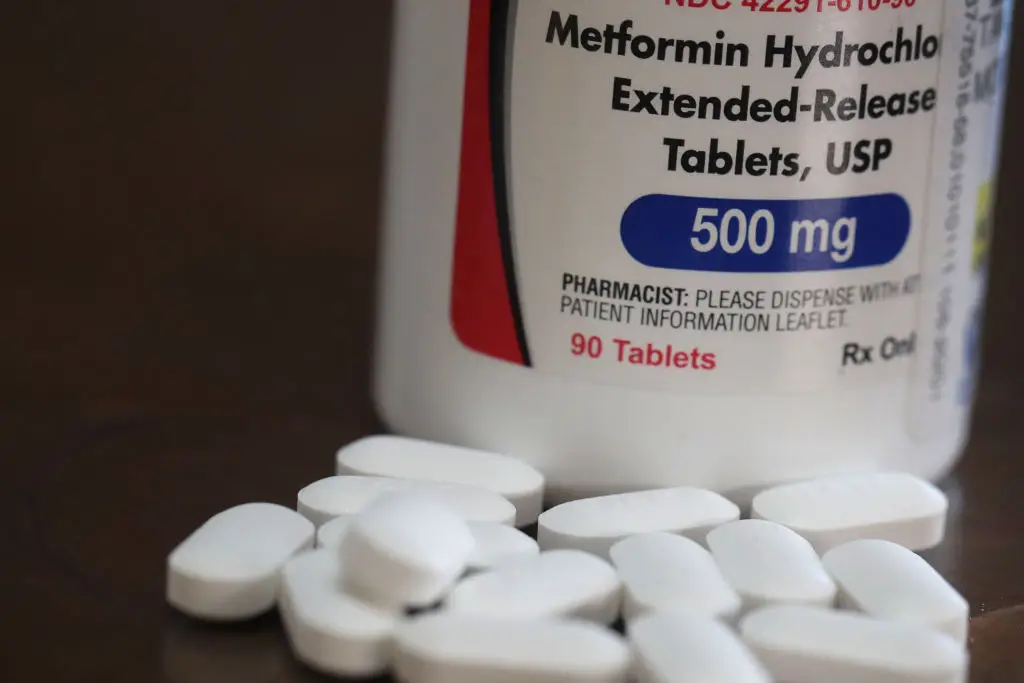
One of the most popular drugs prescribed in the world is metformin, with around 120 million people thought to be on it.
It's typically prescribed for Type 2 diabetes, though it also comes with its own selection of other health benefits and potential side effects as it helps the body handle insulin.
This might draw some comparisons with another popular drug that is also prescribed for Type 2 diabetes and also comes with its own range of extra benefits and side effects, Ozempic.
However, just because two medications do similar things it doesn't mean they're easily substitutable for one another as there are plenty of similarities and differences between them.
Advert
You'd definitely be best off checking with your doctor before taking either, and should be well aware of the potential side effects you might encounter rather that attempting to self-medicate without knowing what you're doing.
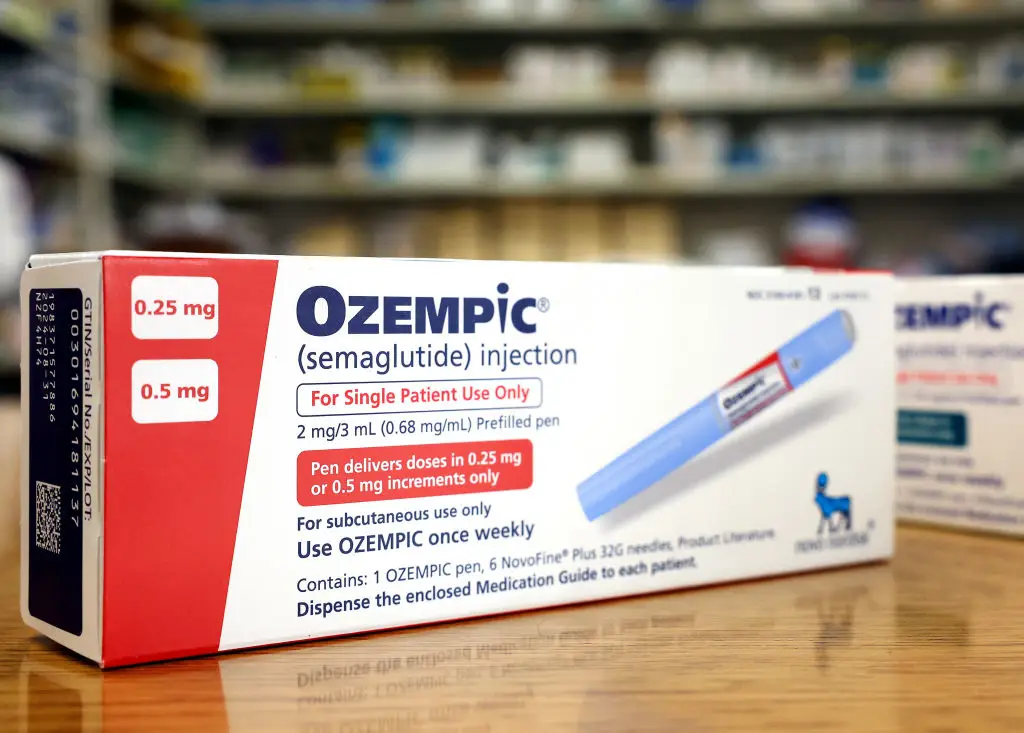
The similarities of Ozempic and metformin
Starting with the most obvious point, they're both prescribed as medication for Type 2 diabetes, they lower your blood sugar levels over time which helps prevent complications from diabetes.
Metformin has been around a lot longer and is typically cheaper.
There have also been studies linking both drugs to positive results as far as weight loss is concerned, though neither Ozempic nor metformin are prescribed for such a purpose.
If you're looking for a weight loss drug then you're much better off looking for Wegovy or Mounjaro, the treatments which have actually been approved for prescription.
They also share a number of side effects, but we'll get to that later.
What's different about them?
Quite a lot, as is the case for many medications prescribed to treat the same ailment.
While Ozempic is typically a weekly injection, metformin is normally taken in the form of tablets on a daily basis, and is also available for children aged 10 or older whereas Ozempic is meant to be for adults only.
Ozempic is also a brand name for semaglutide which works as a GLP-1 receptor agonist, whereas metformin is what the drug is actually called and is in a class of its own called biguanides which decrease the liver's sugar production and your intestines absorbing of sugar.
As such the impact they have on the body has plenty of differences as they target different parts, even if the end result is similar.
Metformin is also available in a generic form which makes it pretty cheap to acquire.
The side effects
As ever pretty much no drug is without side effects and one of the key ones is nausea.
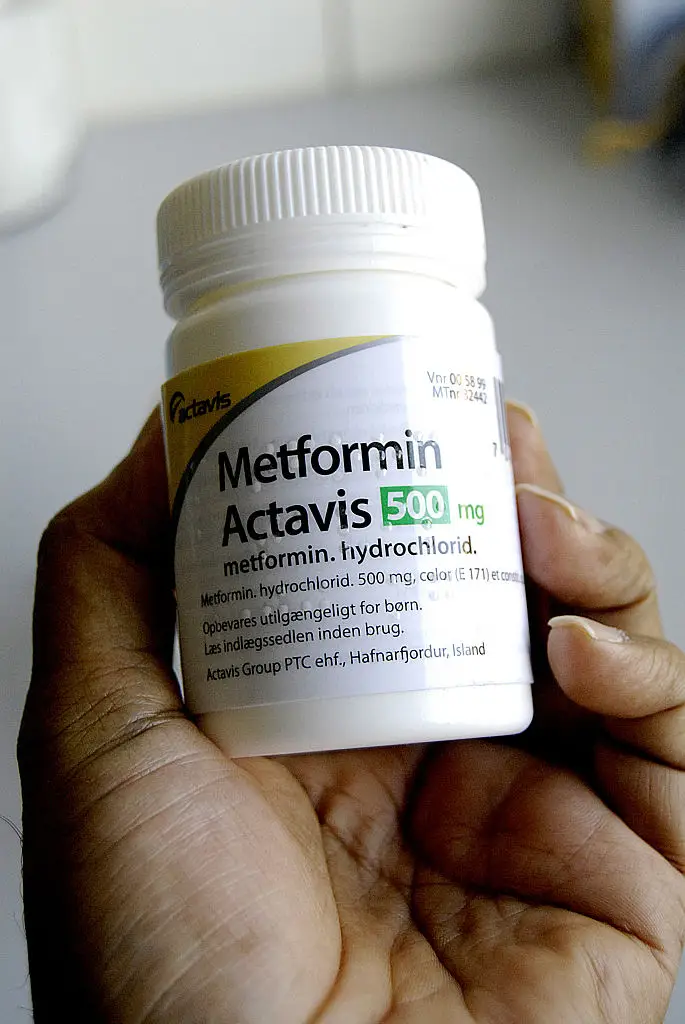
The NHS and Diabetes UK both recommend taking metformin with food to help alleviate any nausea that someone might feel.
Vomiting, diarrhoea, stomach ache, loss of appetite and a metallic taste in the mouth are all other potential side effects one might experience on the diabetes drug.
Some of these may sound quite familiar to those with a knowledge of Ozempic, as the nausea, vomiting and stomach pain are all possible side effects of the injectable drug as well.
A specific long-term side effect to metformin is a deficiency in vitamin B12, which can result in extreme tiredness, mouth ulcers, vision problems, pins and needles, a red and sore tongue and pale or yellow skin.
Metformin has been around a lot longer than Ozempic, so much more is known about the potential long-term side effects of the drug.
In a very few people it can also produce a severe allergic reaction which can be threatening to life.
 Joe Harker