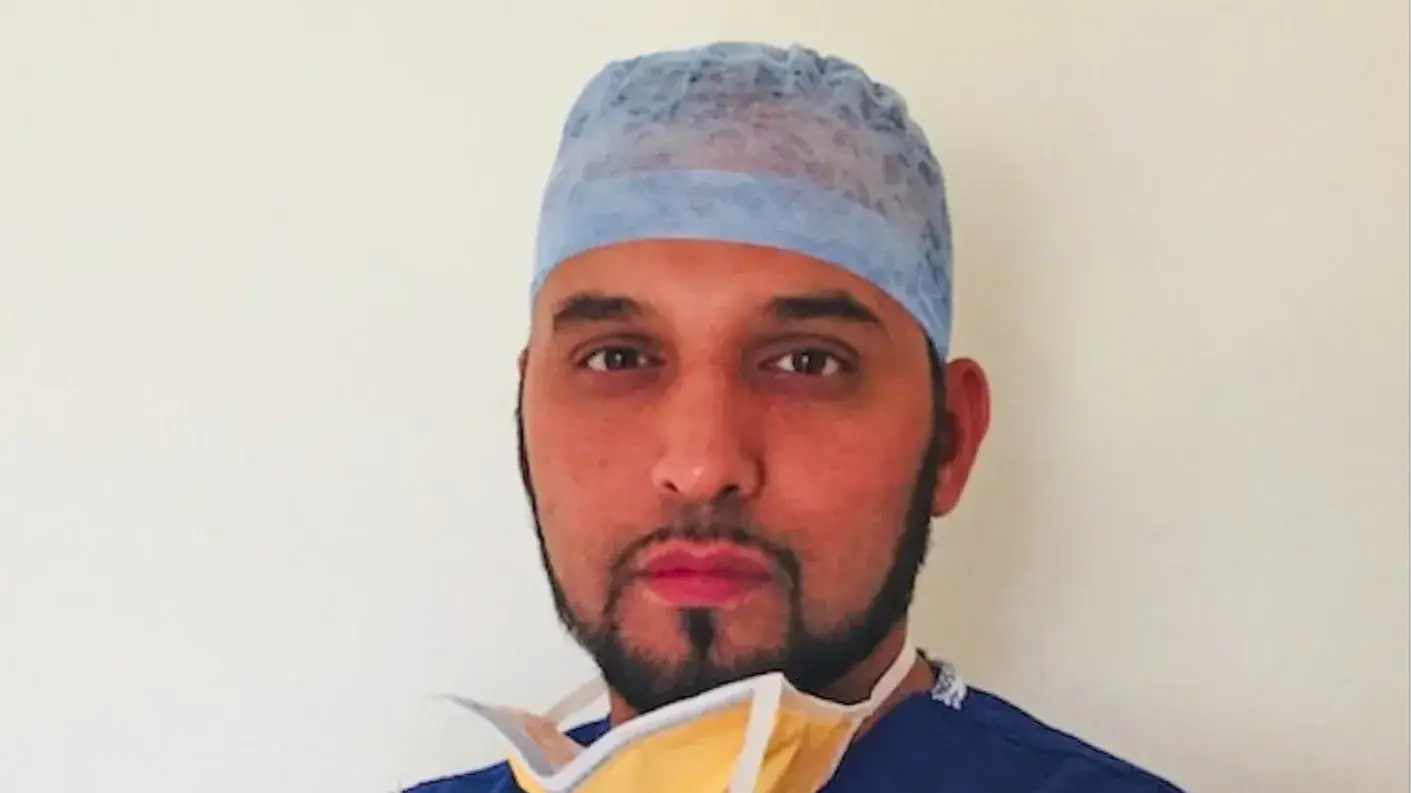
NHS brain surgeon shares reality of ‘c**p’ pay they earn

A neurosurgeon has opened up on what working for the NHS is really like, including the struggles he faces day-to-day.
Dr Ismail Ughratdar is a neurosurgeon at the Queen Elizabeth Hospital in Birmingham, and has recently added to the conversation around pay to NHS workers.
In the past, doctors have admitted that they feel underpaid for the work they do in the healthcare sector, particularly for the NHS, and Dr Ismail is no different.
Speaking to the BBC, he spoke about how hands-on training can take anywhere from 10 to 15 years, which can include 'including operating theatre, clinics, and experiencing multidisciplinary teams (MDT)'.
Advert
The neurosurgeon works between 60 to 70 hours per week, but feels like he isn't compensated as much as he should for his job.

Revealing his salary, he explained that it is 'just under £100,000', adding: "It will take a further 20 years to reach around £140,000."
He went on: "It is a privilege to work in this field, despite the relatively c**p pay for the amount of complexity and stress associated with the job."
As for his pension, the doctor explained that while 'members pay in 12.5%', the employer contibutes 23.7%.
Dr Ismail's days start around 7am, where he sees patients pre-op, before starting to operate around 8.30am, with work sometimes going on until 6.30pm.
He further explained: "I do a post-op ward round as well to check on patients.
"Clinic MDT day, where experts from different disciplines combine to make decisions about patient care, typically starts at 8.30am until 5pm. Plus I review inpatients in-between."
Dr Ismail often meditates and spends time with family after work in order to destress from his days at work, which can have a mental toll on him.
He even told the publication the biggest mistake he'd ever made, candidly admitting that he didn't force a young patient to stay in hopsital, against medical advice.
The patient would later die, as the surgeon noted that 'poor communication is the most common mistake in the industry'.
Having operated on over 5,000 brains, the surgeon explained that he recently spent three weeks in Gaza, removing 'shrapnel and bullets from the heads of children and teenagers', amidst the ongoing war in the area.
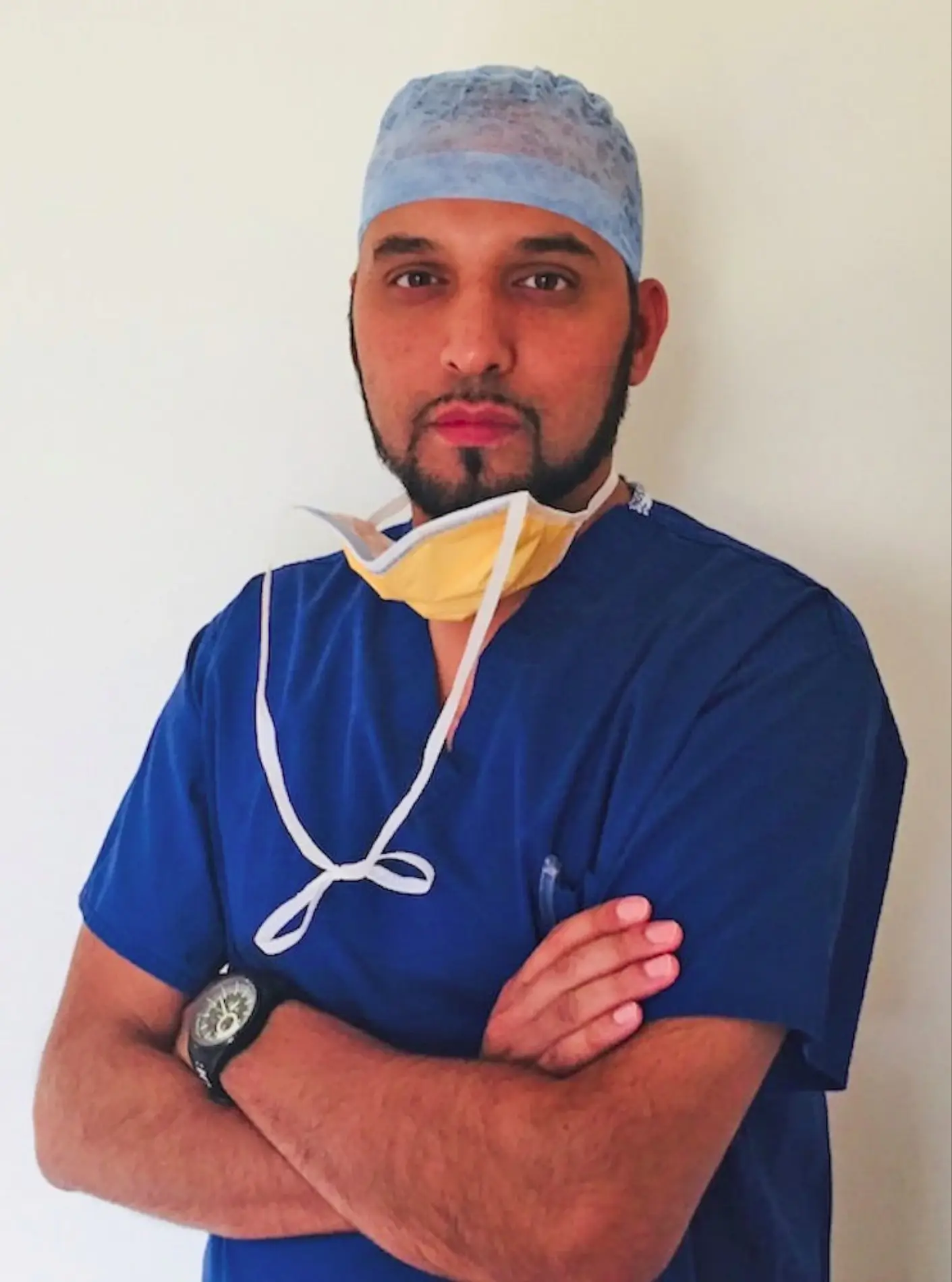
Dr Ismail even gave some tips on brain health, urging people to eat well and avoid processed foods, adding: "Exercise and keep mentally active. Be sure to read, and I don't mean on your phone!"
He was clear about the unhappiness with his pay, pointing out that with private healthcare, you may experience some benefits.
"(You get) quicker access to theatre and other facilities, such as scans. Better furnished wards and food, things like that. Private surgery is done by the consultant only," he claimed.
The surgeon highlighted issues with the NHS too, claiming: "I think the NHS has too many managers and wastage. It needs to be run by medics. In my opinion, no one party should control the NHS - it should be a cross-party team."
 Joshua Nair