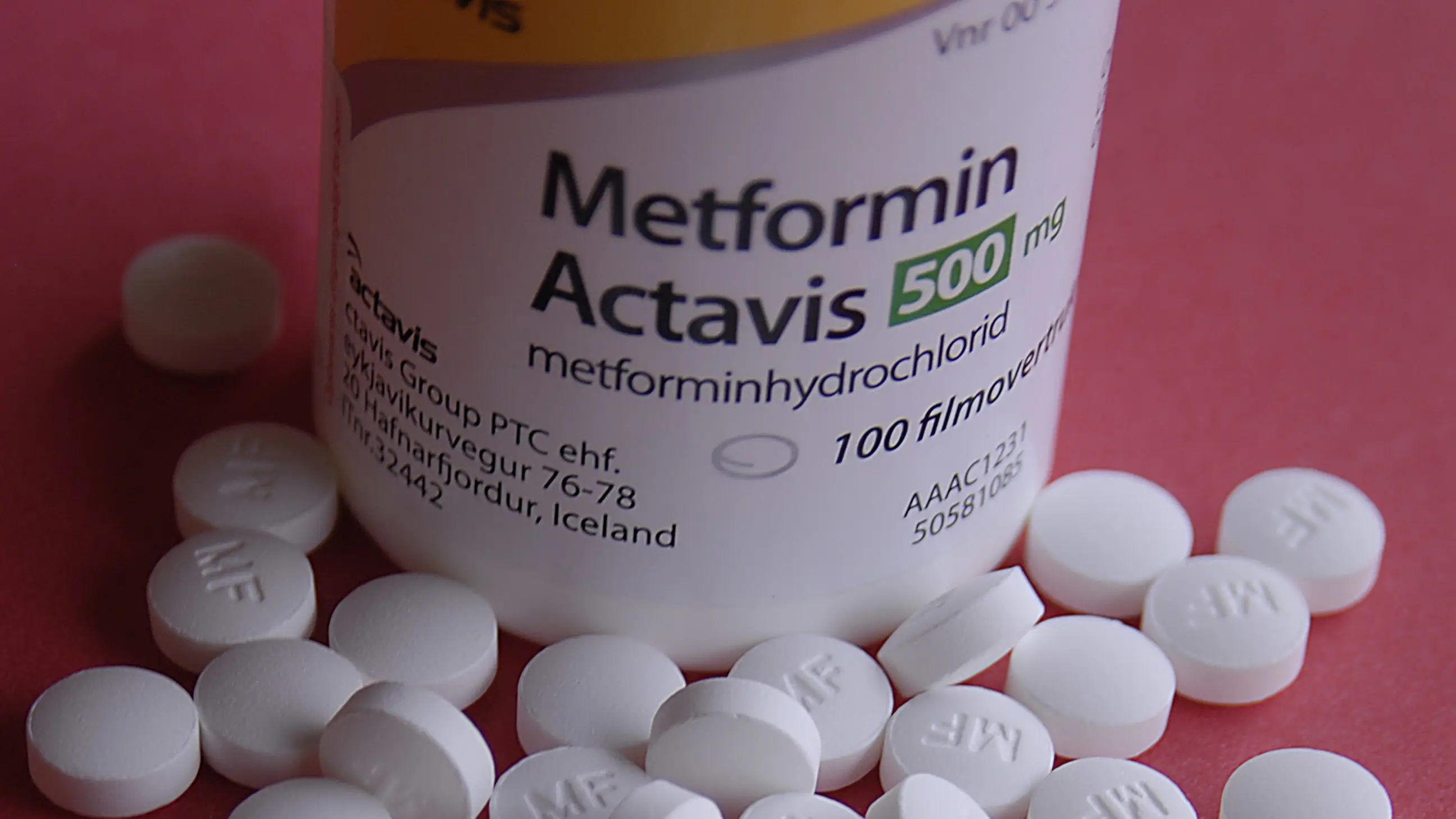
Severe side effects of taking Metformin drug prescribed to 120 million people worldwide

Said to be prescribed to over 120 million people around the globe, metformin is also commonly dropped by patients.
The medicine is used primarily to treat type 2 diabetes and gestational diabetes as well as being used to help prevent type 2 diabetes by those at high risk of developing it.
In some cases, it is also used to improve fertility for those with polycystic ovary syndrome (PCOS).
Metformin works by improving the way the body handles insulin in order to lower blood sugar levels. The NHS adds that even for those without diabetes, the drug can therefore improve ovulation and encourage regular periods.
Advert
While it does not cause weight gain like some other medicines for diabetes, metformin carries a number of side effects – just as most medications do.
And it’s thought that the toll it takes on the digestive system puts many people off.
What are the common side effects of metformin?
Both the NHS and Diabetes UK stress the importance of taking metformin with food to help with any nausea the medicine may cause.
The medicine may also cause vomiting, diarrhoea, stomach ache, loss of appetite and a metallic taste in the mouth.
A longer-term side effect of metformin (particularly at high doses) is lower levels of vitamin B12 (which helps keep red blood cells and nerves healthy).
Symptoms of this deficiency include new or much worse extreme tiredness, mouth ulcers, vision problems, pins and needles, a red and sore tongue and pale or yellow skin.
Doctors can check your B12 serum levels, and you should call your GP or 111 if you experience this.
Metformin doesn’t usually cause blood sugar levels to get too low, but hypos can happen when it's taken with other diabetes medications.
So, it’s important to have regular meals and carry a fast-acting carbohydrate with you.
What are the severe side effects?
The more serious side effects are rare, but they can happen.
If you are taking metformin and get a general feeling of being unwell with severe tiredness, fast or shallow breathing, being cold and a slow heartbeat, you must call your doctor or 111 straight away.
The same goes if the whites of your eyes or your skin turn yellow, as this can be a sign of liver problems.
And in rare cases, some patients may have a serious allergic reaction to the medicine. You should call 999 if you display signs of anaphylaxis, such as your lips, mouth, tongue or throat becoming suddenly swollen or struggling to breathe.
Always seek advice from a healthcare professional if you have any concerns.
Who can and can't take metformin?
According to the NHS, metformin is suitable for most adults and children aged 10 or over. However, there are a few that it is not suited for, including:
- Those who've ever had an allergic reaction to metformin or other medicine
- People who have uncontrolled diabetes
- Those who have liver or kidney problems
- Those who have a severe infection
- People who are being treated for heart failure or have recently had a heart attack
- Those who have severe problems with their circulation or breathing difficulties
- People who drink a lot of alcohol
Anyone taking metformin may have to stop if they are required to undergo certain tests or surgeries, like a procedure that requires a general anaesthetic, or an X-ray or scan using an iodine dye.
Topics: Health
 Jess Battison