Criminal expert explains the characteristics that make psychopaths dangerous

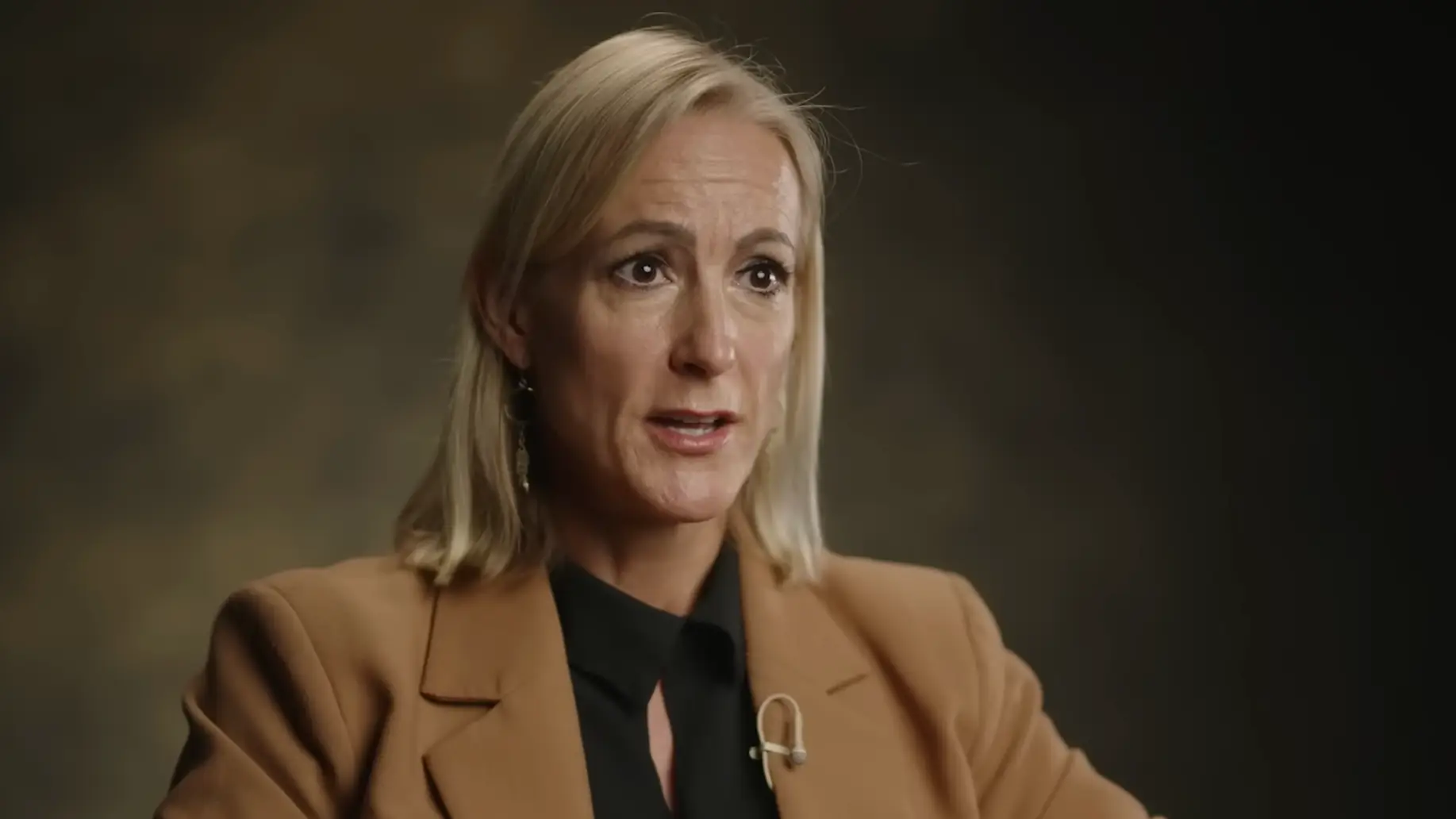
A criminal behavioural analyst who previously served in Scotland Yard has revealed what characteristics make psychopaths particularly dangerous.
The term 'psychopath' is considered a severe form of antisocial personality disorder (ASPD), 'characterised by impulsive, irresponsible and often criminal behaviour', according to the NHS.
Over the past two decades, Laura Richards has profiled many serial killers and is also considered an international expert on domestic abuse.
In an interview with LADbible Stories for Minutes With, she claimed that psychopaths in the prison system 'cannot be rehabilitated' because 'the mind is the problem'.
Advert
“They are not safe to be amongst us,” Richards said.
Psychopaths are charming and coercive

“Psychopaths can be very charming, very plausible, very manipulative, very coercively controlling,” Richards insisted.
And because psychopaths are so skilled at mimicking emotions and understanding what's expected of them in a given situation, they can trick prison officials into granting them parole.
Richards said: “They will tell you whatever you want to hear. They’re chameleon-esque.
"There are parole boards deciding to release someone because they’ve said all the right things, they’ve ticked all the right boxes, but that still doesn’t make them safe.”
Empathy and emotional manipulation

Richards said it's impossible to teach a psychopath 'empathy' because they will 'mimic back any emotion'.
“Psychiatrists and psychologists who work within the settings where there are psychopaths like Levi Bellfield would argue that we just haven’t found what works so we shouldn’t stop trying, but how do we teach empathy?”
Bellfield is an English serial killer and rapist who was found guilty of the murders of Marsha McDonnell, 19, Amélie Delagrange, 22, and Milly Dowler, 13, between 2002 and 2004, as well as the attempted murder of Kate Sheedy.
Rehabilitation and safety
The criminal expert thinks that the 'simple answer is to keep them' locked up behind bars.
“That’s what prisons were created for — to protect the public from the most dangerous type of perpetrator to be behind those four walls because they’re not safe to be amongst us,” she added.
“For the parole board the litmus test is: are you prepared for him to live next door to you with your children? Because if you are then that’s one thing but if you’re not then that tells you really about the level of risk.”
In the UK, it is estimated that 0.6 percent of adults in the community are affected by high levels of psychopathy, according to Psychopathy Is.
 Anish Vij