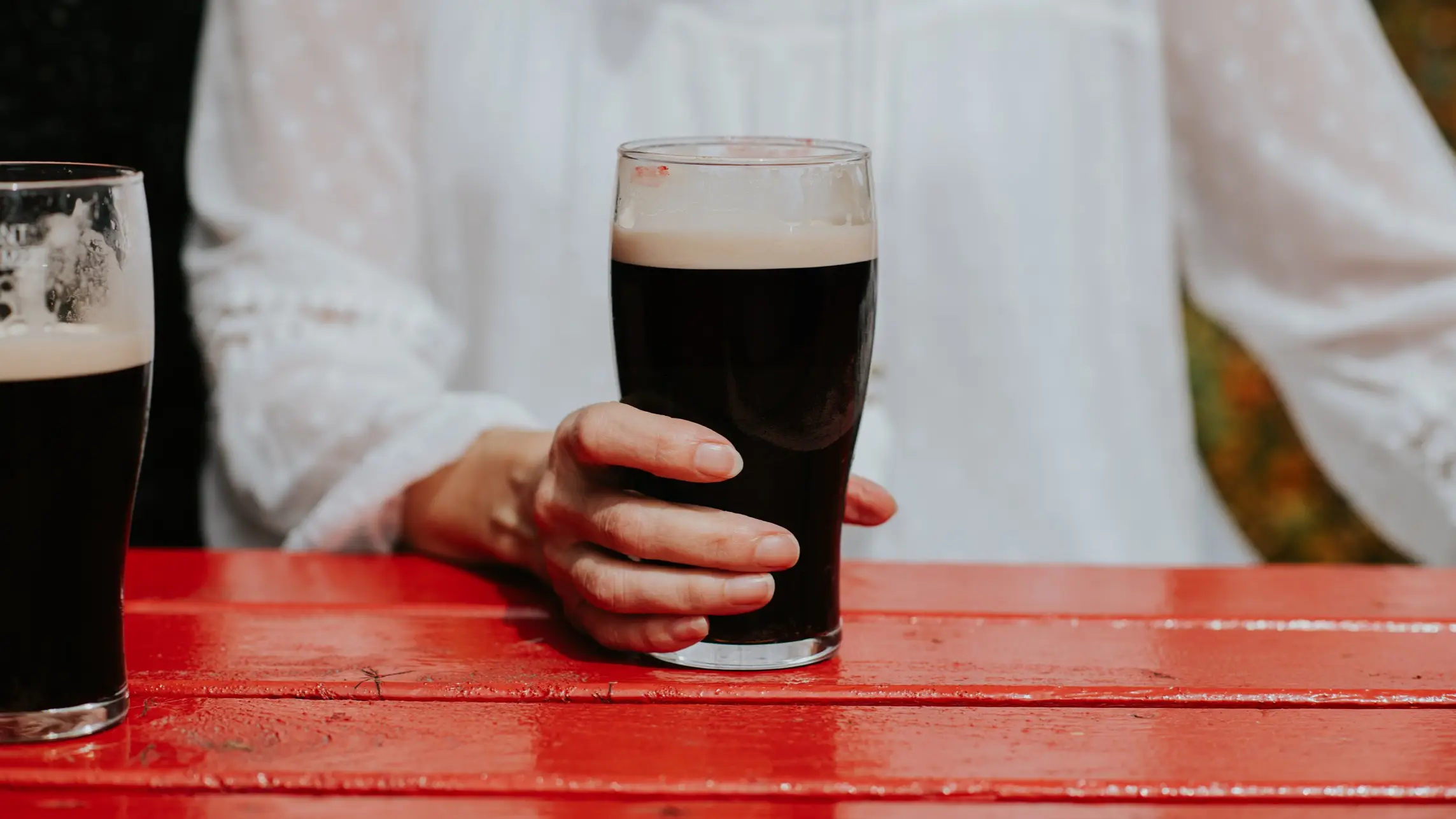
Six signs that suggest you’re a borderline alcoholic and need to cut down over Christmas

Christmas is pretty much here and it really 'tis the season to be jolly, though for some people that means an awful lot more consumption of food and drink than usual.
Many people are planning to spend the next week or so eating roughly their body weight in Christmas dinner and quaffing various kinds of festive novelty alcohol that may have found its way into their stocking.
However, such a time is not great fun for everybody because there are some who will overdo it to the point of destruction, and others who will be struggling with an addiction at a moment in the calendar when the thing they're addicted to is everywhere.
Enjoying alcohol in moderation is fine, but there may be people concerned they're a borderline alcoholic and wondering how they're going to get through the Christmas period without having too much.
Advert
There are several signs to look for and reckon it's time to tone things down on the booze front.

Unthinking drinking
NHS GP Dr Dave Nichols warned: "The most common long-term physical impacts of borderline alcoholism are abnormal liver function, cardiovascular disease, diabetes and mental health problems, but these are often hidden diseases and patients are unaware of them until they progress."
Long before you start feeling the really punishing effects, there are the drinks you don't notice, and if you're knocking back alcohol on a regular basis without even thinking about it that is a warning sign.
Regular binging
Christmas will offer plenty of opportunities to get drunk and consume to excess, which isn't going to be healthy for you, but if you're doing it regularly that's even worse.
You might tell yourself 'it's Christmas', but if you do it all the rest of the year when it's also not Christmas, that should be blaring a warning sign in your head.

Needing alcohol to socialise
With Christmas comes an awful lot of chances to get social and hang out with your nearest and dearest, usually with alcohol involved.
However, if you find yourself deciding not to go to something because there's not going to be alcohol that ought to set off the alarm bells.
Day drinking
Borderline alcoholics can be expected to develop a number of symptoms from going sober.
"Alcoholics will usually develop physical and psychological symptoms if they stop drinking," Dr Nichols explained.
"Borderline alcoholics might experience symptoms such as abdominal pain, stress, anxiety, bad skin, trouble sleeping, irritability and higher blood pressure."
However, one of these other ones might be more free time during the day as another sign to be aware of is regularly quaffing something alcoholic during regular daytime hours.

Others not drinking is annoying you
Tying in with the social aspect of drinking, if you go to an event where there is alcohol and get cheesed off by someone who has decided not to partake, then it's time for some self-reflection.
If you're getting mad at someone for not joining you in a drink, then stop and think why you're actually angry at them.
Often beyond the limit
The NHS recommends that you not exceed 14 units of alcohol per week, which is pretty much the equivalent of one pint of beer a day.
This is not a target to meet, since if you drink that much every week of the year you'll likely feel alcohol's negative effects, but is a guide for what not to exceed.
If you're over the limit at Christmas, that could be written off as a special occasion, but if you find yourself drinking a lot many other times of the year it's a concern.
Please drink responsibly. If you want to discuss any issues relating to alcohol in confidence, contact Drinkline on 0300 123 1110, 9am–8pm weekdays and 11am–4pm weekends for advice and support.
Topics: Alcohol, Health, Mental Health, NHS
 Joe Harker