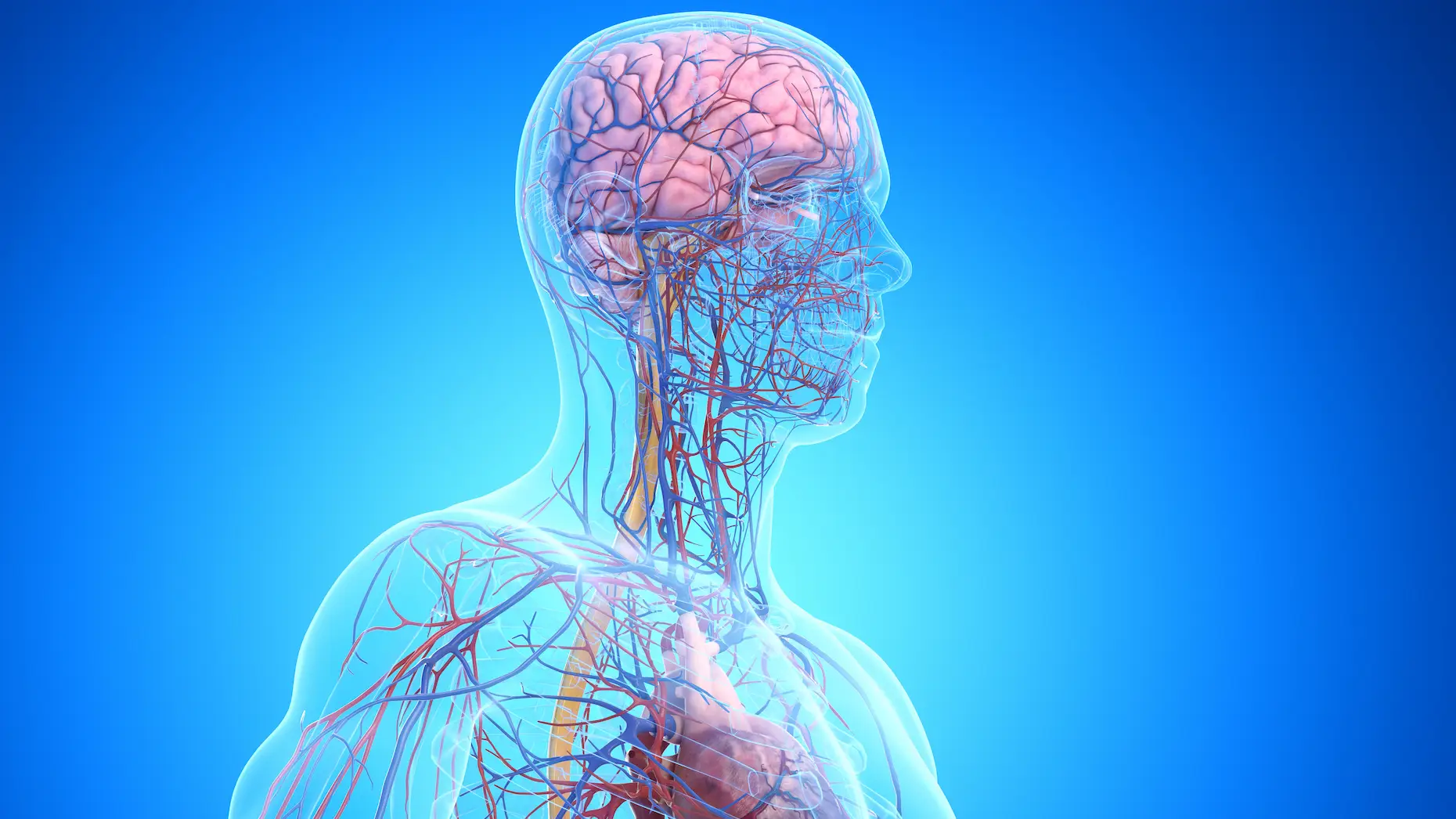
Day-by-day timeline of what happens to your body when you stop drinking

We've just had Sober October, and before you know it, Dry January will be here, but there's really no wrong time to cut down on alcohol consumption or stop drinking altogether.
You probably know by now that it's not good for your health and does bad things to your body, and while some drinkers will say that's part of the fun, there are plenty who are absolutely not having any kind of fun.
The damage done by alcohol accumulates over the years until it pickles your liver and opens you up to all manner of health conditions, along with the danger that you'll score an injury while drunk.
Quitting is easier said than done, especially in the early stages, but for the people who know that one drink would be too many and two drinks wouldn't be enough, the sooner you start, the better.
Advert
When you ditch alcohol, your body starts going through changes and recovers over time.
12 hours
According to Delamere, within the first 12 hours of ditching the drink, the withdrawal symptoms start to kick in. Depending on how severe your addiction is, you might experience hand tremors, sweating, restlessness and anxiety.
You might even start retching as your body practically begs you to go back and get more of the thing it has become unable to properly function without.
One day
By the end of the first day, the withdrawal symptoms will have ramped up, leaving you with cravings for a drink and feelings of reduced energy.
Those feelings won't be helped by the probability of getting disturbed sleep, which will lower your mood even more.
UK Addiction Treatment says withdrawal usually peaks at 24 hours, though for heavy drinkers, the doorway is now open to the even more severe symptoms.
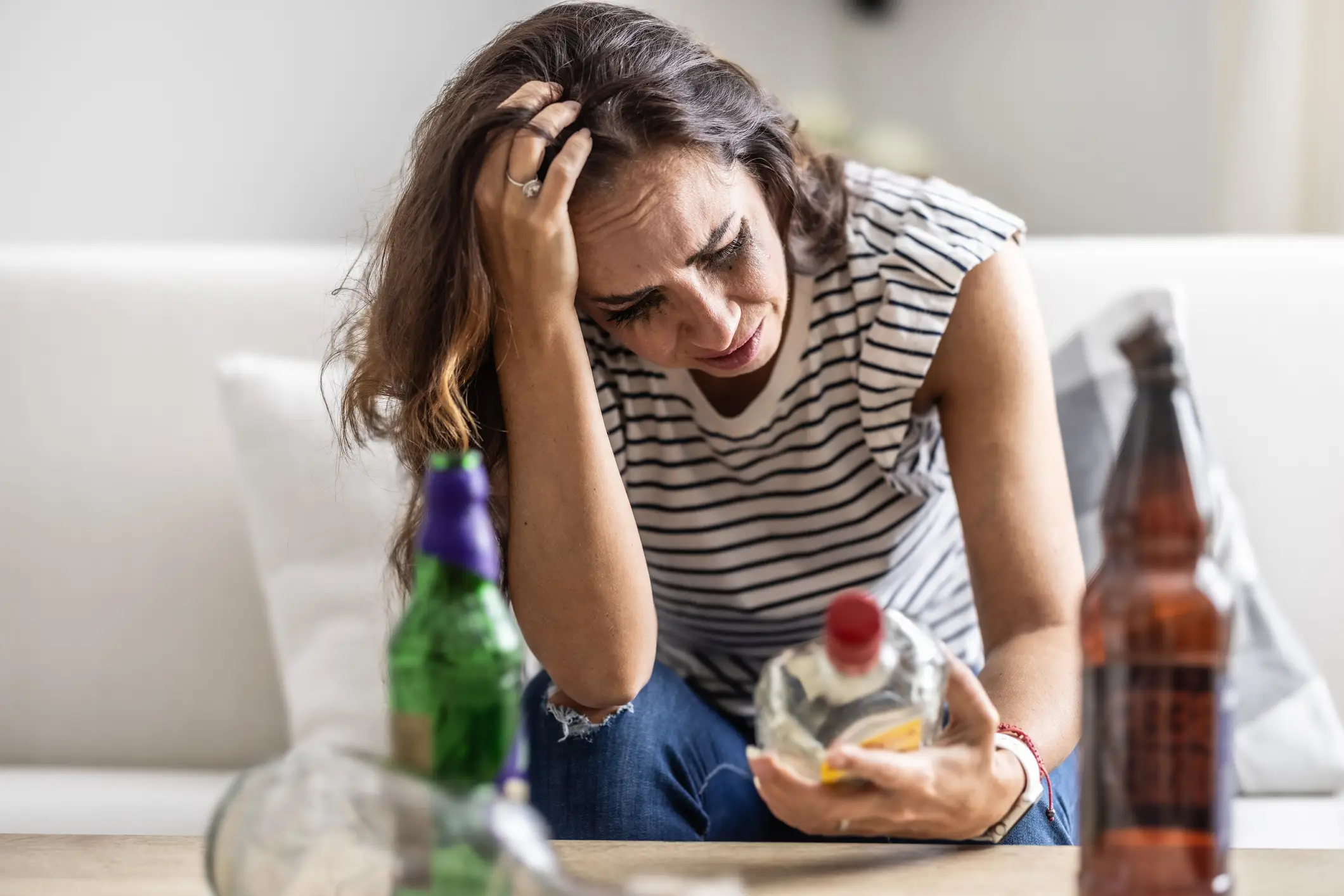
Three days
For those who were heavy drinkers and have quit, this is when the really difficult symptoms will begin to kick in.
With your nervous system adjusting to the lack of alcohol, the cravings will be intense, while you may suffer from nausea and headaches, your blood pressure might increase, and you could notice a rise in your heart rate.
In particularly serious cases, you could start experiencing something known as delirium tremens (DTs), the most severe form of alcohol withdrawal, which can put your life in danger.
Someone might suffer from shakes, confusion, psychosis and even seizures.
Seven days
Once you've cleared the first week, most of the withdrawal symptoms should have gone, or will at least be easier to deal with.
You might also start seeing an improvement in your sleeping habits, and sleep is so important for your health that this will have wider-ranging benefits for your wellbeing.
Your cravings and emotions might still be present, but physically, your body ought to be much improved.
However, for some, it will still be a particularly scary time as a man who quit drinking said he was getting shakes, sweats, nightmares, and insomnia in that first week.

Two weeks
Given the lack of alcohol calories in your body, you might start noticing some weight loss, though how much will depend on your drink of choice and how much of it you were having.
Three weeks
By week three, something will typically happen that you won't notice at first, but is among the most significant changes in your body, as your blood pressure will improve, and your risk of having a stroke or heart attack drops.
Your liver will be working better, so your body is able to carry out the natural detox process more effectively, while your appetite might also be improved, along with your mood.
One month
A month is a major milestone in quitting, and by this time, any damage booze has done to your skin could be expected to start clearing up.
Your liver, kidneys, waistline, sleep and overall health will be much improved from where they were, while your bank account will also likely thank you for the way things are going if you're spending much less on alcohol.
From here, the time jumps grow larger and the benefits increase much more.
Three months
Hit this milestone, and your brain chemistry is improved, especially around the levels of dopamine.
Feelings of anxiety or depression from drinking ought to ease off by this point, and you may end up feeling like you've got more energy to tackle the day than you used to.
On top of that, Drink Surely says your risk of developing liver, stomach, breast, oral, ovarian, larynx, pharynx, oesophagus and colorectal cancer starts to reduce.

Six months
Clear half a year and your immune system is feeling better than ever, meaning any sort of illness isn't going to come along and knock you on your backside.
You might notice even more change in your body weight by this point, and you'll have improved to the point that you ought to be better in social situations, too.
One year
After making it a year without a drink, you should be pretty much clear of the major symptoms or withdrawal effects, including changes in your mood or damage to your sleeping habits.
Your risk of alcohol-related health conditions drops significantly, though you will need to be wary about the cravings still being present and the damage one drink could do.
Topics: Alcohol, Health, Mental Health
 Joe Harker