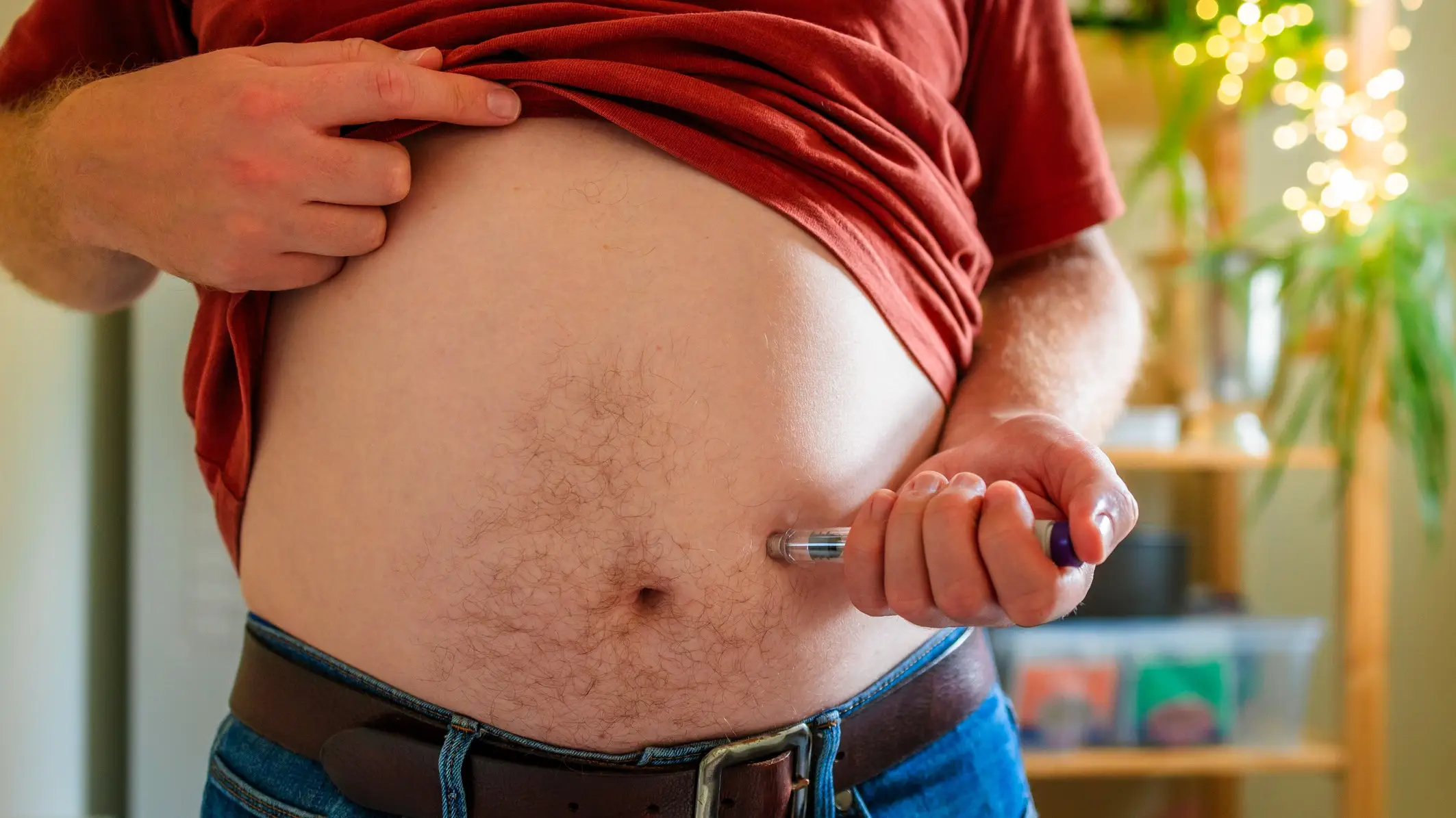
Scientists believe weight loss jabs could slow the spread of prostate cancer

Warning: This article contains discussion of cancer which some readers may find distressing.
Weight loss jabs may be good for uses other than just shedding the pounds, new research suggests.
Scientists at Imperial College London have conducted a study linking weight loss medication to prostate cancer, finding that the drugs may actually help to slow down the spread of the disease.
They found that exposing prostate cancer cells to fat encouraged them to duplicate and spread, therefore the medication may help to disrupt to communication between the fat and cancer cells, prompting the spread of tumours to slow down.
Advert
Drugs included in the study were tirzepatide - branded as Mounjaro - and semaglutide - known as Wegovy and Ozempic.

The study - which is yet to be peer-reviewed or published - suggests that the drugs may work by reducing the fat around the prostate, which ultimately provides fuel for the cancer cells to grow and eventually spread to other parts of the body.
Dr Claire Fletcher, from Imperial College London, told The Telegraph: "We know from other studies that anti-obesity drugs can reduce inflammation in fat tissue and that could potentially help the immune system fight prostate cancer as well, because when the fat is inflamed it stops the immune cells getting to the tumour."
She also said that researchers think the drugs could 'potentially' cause an improved response to hormone therapies, which are a common treatment for prostate cancer.
The treatment blocks or lowers levels of testosterone, which prostate cancer uses to grow.
Dr Fletcher, whose team did not study the mechanism behind the findings of the research, went on to explain: "Hormone therapy increases fat around the middle of the body, which has been shown to be important in driving prostate cancer. Weight-loss drugs could prevent or reduce this."
The next phase of the research is due to be actioned in early 2026, when they plan to look into whether giving weight loss jabs to mice reverses or decelerates the spread of prostate cancer.
"With lab data and animal studies, we will hopefully be in a position where we could take this into patients in the near future," Dr Fletcher added.
"We know that patients will be able to tolerate [weight-loss drugs] well and it might actually help to improve their symptoms management and their response to other treatments. It’s something we’re really excited about."
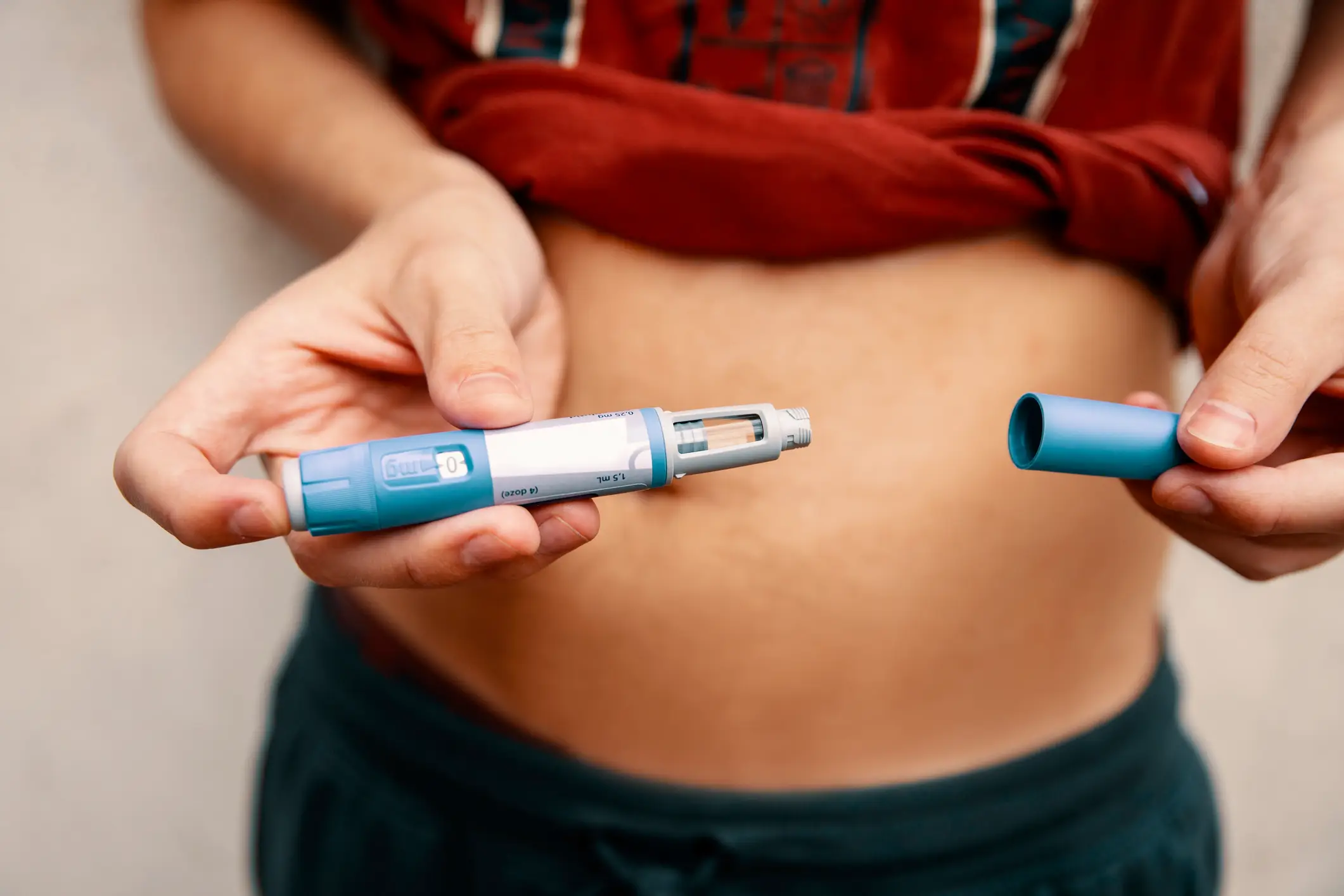
The findings could prove to be hugely significant, as according to Prostate Cancer UK, over 63,000 people are diagnosed with prostate cancer every year in the UK, with more than 12,000 dying from the disease.
The expert continued: "Obesity is now overtaking smoking as the largest modifiable cancer risk factor. We think that is particularly important in prostate cancer because the volume of fat that sits around the prostate is very clearly linked with poorer drug response in patients and a faster disease progression and spread outside of the prostate."
Managing weight could help to minimise the risk of developing the disease.
Dr Fletcher noted: "Helping to manage their risk factors could be an important factor in determining whether they eventually do get prostate cancer or not."
Weight loss drugs work by mimicking GLP-1, one of the gut hormones released when a person is full from eating. This gives the same sense of fullness without eating food or eating less food.
The drug then slows the stomach from emptying while simultaneously decreasing appetite, leading to fewer calories consumed and more weight lost.
Unlike Wegovy and Mounjaro, Ozempic has not been approved or licensed for weight loss purposes in the UK.
LADbible Group has contacted Novo Nordisk and Eli Lilly for comment.
If you’ve been affected by any of these issues and want to speak to someone in confidence, contact Macmillan’s Cancer Support Line on 0808 808 00 00, 8am–8pm seven days a week.
Topics: Health, Lifestyle, News, Ozempic, Science, Cancer, Mounjaro
 Danni King