Expert explains what viral 'limitless pill' that celebs take really does

One of the more popular health crazes going around at the moment is methylene blue, with some famous faces claiming that a dose of the blue stuff has helped boost their health.
Of course, you should always be wary of someone claiming that this amazing thing has worked wonders for them and could for you, too.
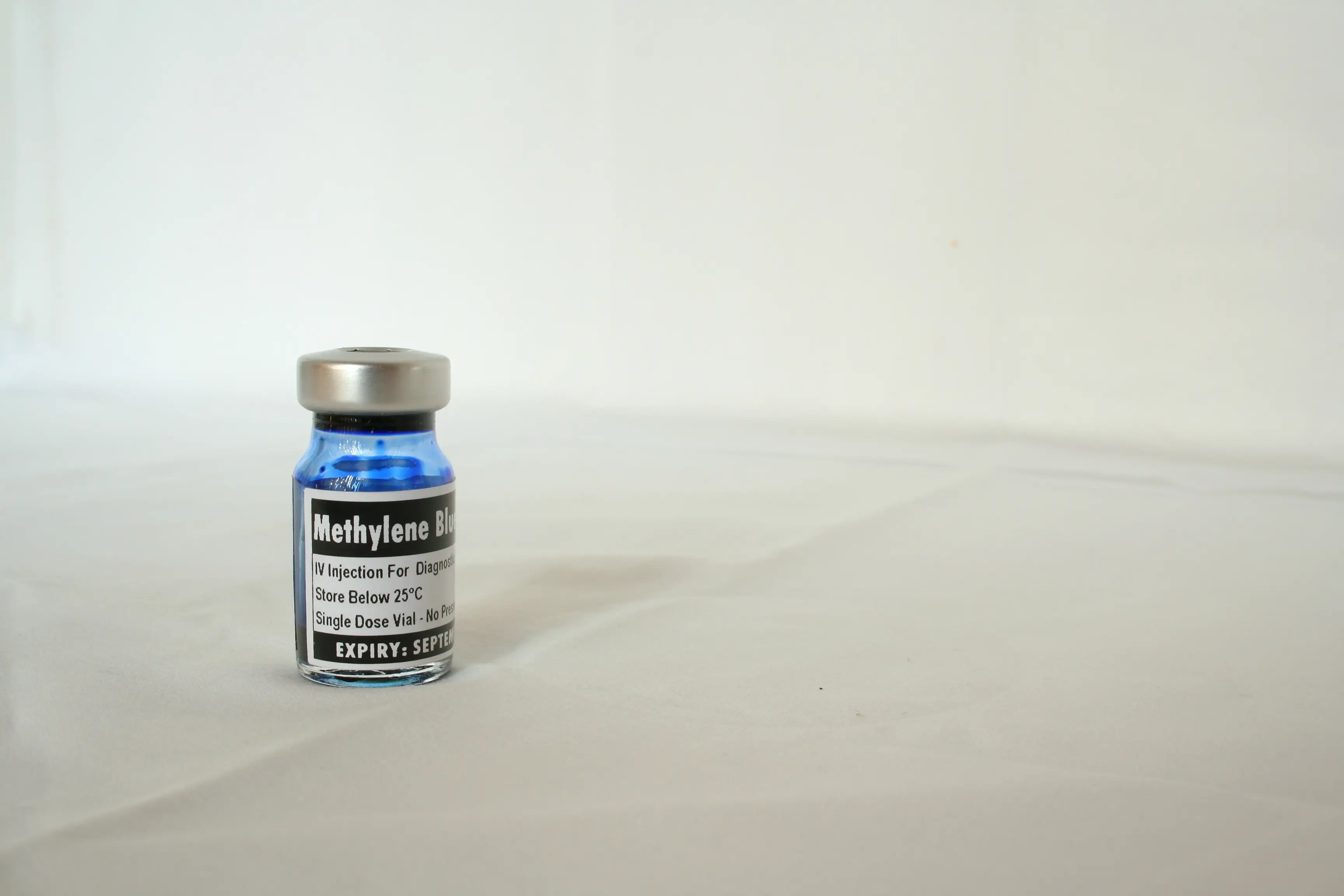
Methylene blue is a substance created in 1876 to dye textiles, no prizes for guessing what colour, but in 1891, it was found to be somewhat useful for treating malaria, and so it became a possible treatment.
It has also been used to treat the rare blood disorder methemoglobinemia, in which red blood cells don't carry enough oxygen, and people have used it for several other ailments despite the lack of proper regulation.
Advert
One of the people who've tried it is Bryan Johnson, the biohacker who is attempting to make himself younger, though he has since ceased using it, while others claimed the benefits are as a potential antidote to cyanide poisoning.
Some folks have compared it to a 'limitless pill' that makes you smarter, like the stuff the guy in the movie Limitless takes, but this isn't going to turn you into a super-genius.
What does methylene blue actually do?
While it's claimed to be a 'nootropic', a substance which boosts cognitive function, slows down aging, and helps your memory and mood, the verified truth falls some way short of that.
Professor Lorne J. Hofseth of the University of South Carolina explained to Science Alert that methylene blue can get into your brain by crossing the protective tissue barrier around it.
Studies have also indicated that it could be good for mitochondria, which, as we all know from school, is the powerhouse of the cell, though the professor said more research was being done to determine what the substance actually did.
More research into the effects of methylene blue is needed since current studies have been done on rats and lab-grown cells, with those results suggesting it might boost memory and improve learning, but working on rats and working on humans are two very different things.
Professor Hofseth said a small study found it slightly boosted memory, but other research found it didn't improve thinking skills.
What have experts said about methylene blue?
Meanwhile, other experts have sounded a warning over people trying to take this stuff without understanding what it might do to a person's body.
People have claimed it has helped cure cancer and do all sorts of amazing things for your body, but anecdotal claims are very dangerous to put any stock in.
Neuroscientist Anne-Sophie Fluri told the Mail: "Without solid evidence in humans, these claims are at best speculative and at worst potentially dangerous. The brain is not a machine you can casually 'optimise' like a smartphone."
Meanwhile, Dr Ian Musgrave of the University of Adelaide warned The Guardian that methylene blue 'largely failed in human clinical trials for treatment of Alzheimer’s disease'.
He did say that it was an antioxidant and had 'promising results in tissue culture', but stressed there was 'currently no evidence in humans that it has significant anti-ageing effects'.
Taking too much of it can also trigger serotonin syndrome, a potentially fatal condition, especially in those taking SSRIs, while overdosing on it can also cause methemoglobinemia.
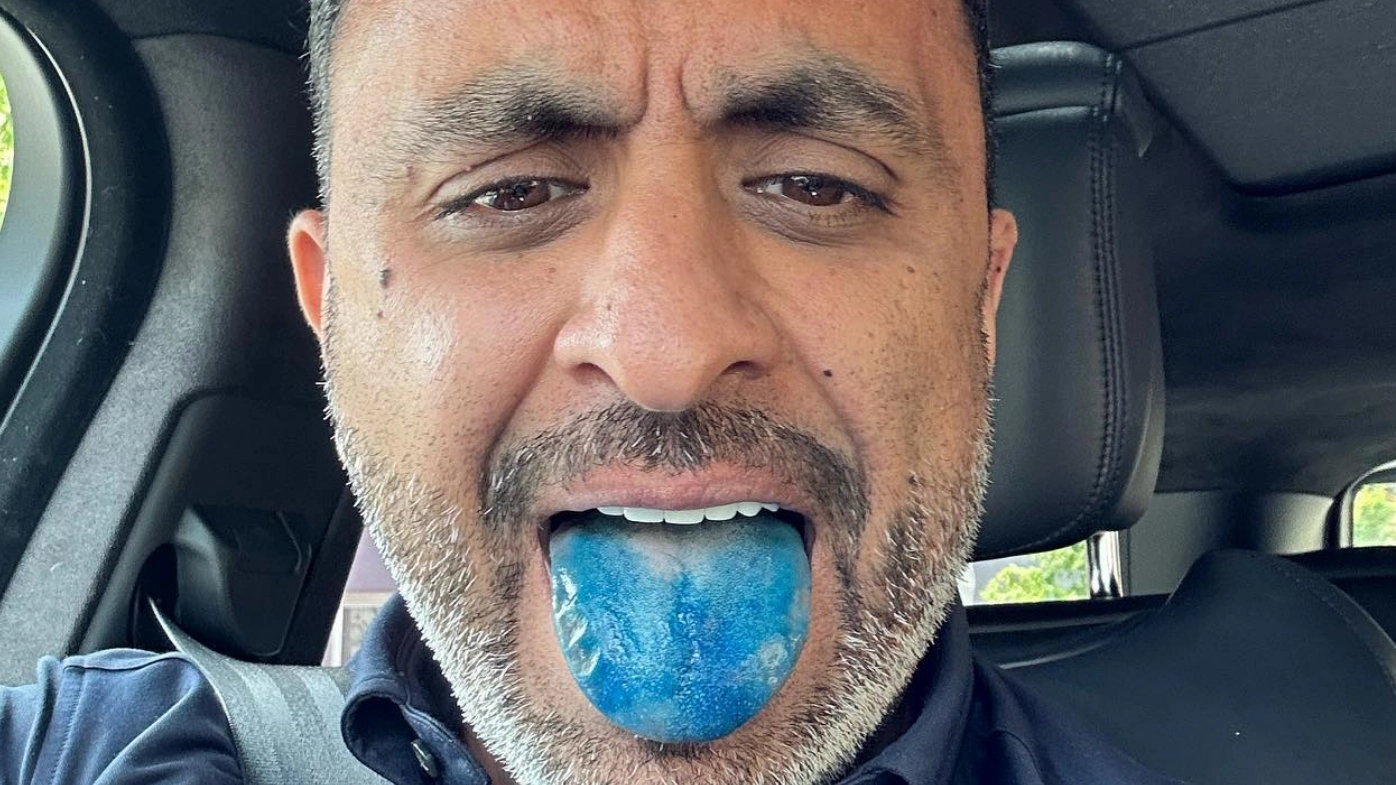
Pain in the extremities, nausea, sweating and changes in the colour of your tongue and skin are also potential risks. Also, it can turn your pee blue.
 Joe Harker