
Iran war could lead to STI surge in the UK as doctor issues warning to public

Ongoing tensions with Iran could lead to a spike in Brits contracting sexually transmitted infections; here's why.
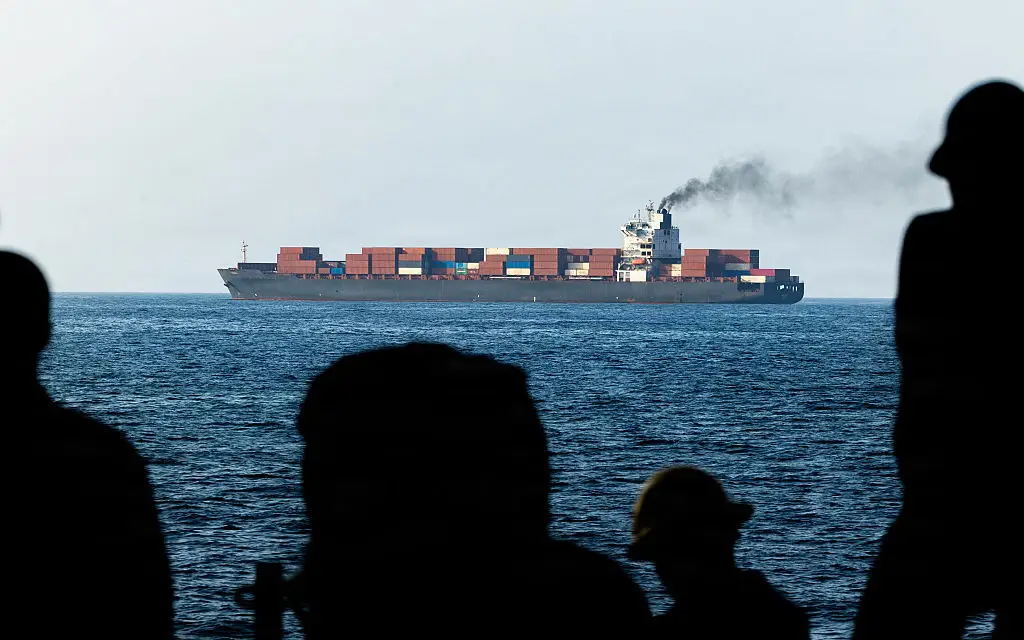
Although the US is not actively striking Iran at this current moment, the Middle Eastern nation continues to blockade the Strait of Hormuz, a key waterway in which 20 percent of the world's oil and liquefied natural gas passes through.
And the fallout of the restrictions in trade is clear, with Brits facing a spike in the price of petrol and a looming jet fuel crisis, which could make travelling abroad over summer pretty difficult.
But did you know it could also lead to an increase in STIs circulating?
Advert
Now, a shortage of gas and jet fuel may seem like it has absolutely nothing to do with contraceptives, but last month, Malaysian firm Karex - a company which produces the contraceptives for companies such as Durex, Trojan and the NHS - announced that a disruption of plastic supply will cause prices to inflate.
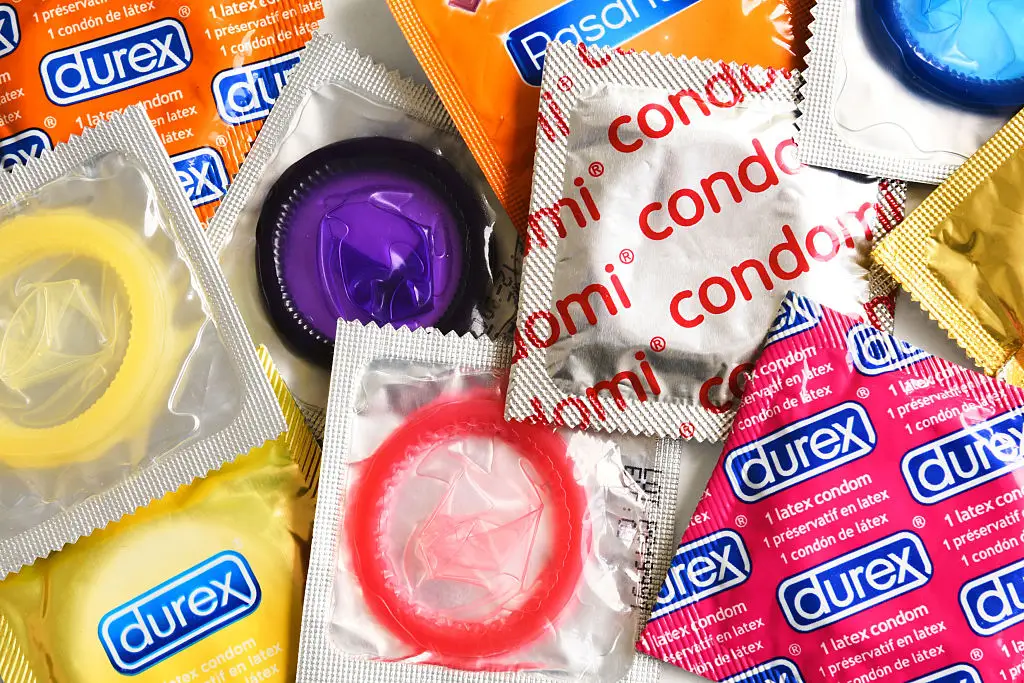
And to no one's surprise, this means the cost of buying the rubber contraceptive will increase in price, a situation which Karex chief executive Goh Miah Kiat had warned about at the time.
Health experts have now warned that this could lead to an increase in sexually transmitted infections, as Brits will be less willing to spend money on condoms.
"This rise in cost may seem relatively small, but for many people, particularly younger individuals or those on lower incomes, it can absolutely act as a barrier," GP Nikki Ramskill, founder of The Female Health Doctor Clinic, previously explained to Metro.
This is a sentiment echoed by Brook, a UK sexual health clinic which provides confidential advice for teenagers and young adults, with a spokesperson telling LADbible: "There has been a decline in condom use in recent years, particularly among young people. The reasons for this are complex, but we do know that the cost-of-living crisis is a factor.
"If the price of condoms were to rise due to supply chain issues, it could potentially exacerbate this situation."

As things stand, condoms from brands such as Durex are available from £9.99 per pack, a figure which could rise in the coming months as materials become harder for manufacturers to get their hands on.
According to a recent report from CNN, the blockage in the Strait of Hormuz has led to:
- A 20 to 30 percent increase on packaging
- A 30 percent increase in latex
- A 25 percent increase on condom lubricant
- A 100 percent price increase on the non-latex condom material nitrile.
This means that a pack currently costing £10 could soon cost £13 in the following months (per condoms.uk).
"When contraception becomes less accessible, even in subtle ways, behaviour changes," Ramskill continued.
Noting that condom usage in the UK is already considered to be 'inconsistent', especially in casual encounters, a rise in prices could see fewer people bothering to rubber up.
"If fewer people are using condoms because of cost, we could see a knock-on effect with rising STI rates," she added.
Where can you access condoms for free?
If you're worried about STIs or are unable to purchase contraceptives, most sexual health clinics up and down the country have services which allow people to access condoms free of charge.
The NHS has a helpful tool which allows people to locate these clinics here.
"These services are essential, particularly at a time when there have been record high rates of STI diagnosis, as well as an increase in teen pregnancies," the Brook spokesperson added.
"If the cost of condoms were to increase, then this could put added financial strain on sexual health services, which are already struggling with budgetary constraints and increased demand for their provision."
Is the war in Iran showing signs of ending?
US President Donald Trump has predicted that the war will 'be over quickly', while Iran has said a US proposal to end the war is 'still being considered'.
Axios reports that the White House believes it could be closing in on a 14-point memorandum of understanding with Iran.
Among other provisions, the deal would involve Iran committing to a moratorium on nuclear enrichment, the US agreeing to lift its sanctions and release billions in frozen Iranian funds, and both sides lifting restrictions around transit through the Strait of Hormuz, the outlet states.
Topics: Sex and Relationships, UK News, Iran
 Brenna Cooper