
WHO issue statement on chances of Hantavirus 'becoming next Covid-19 pandemic'

The World Health Organisation has issued a statement regarding the chances of the recent Hantavirus outbreak becoming a global pandemic.
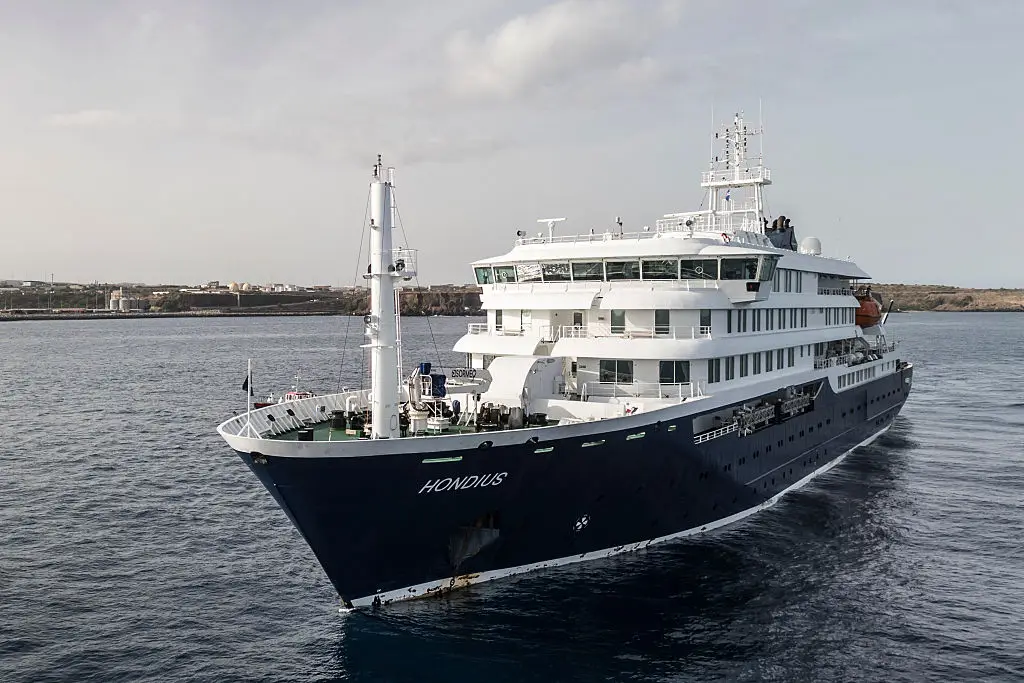
Three passengers have died and several others have fallen ill with the infectious disease which spread aboard the MV Hondius cruise ship, which ended its journey in Cape Verde on 3 May after departing from Ushuaia, Argentina on 1 April.
The ship is now sailing to the Canary Islands, the BBC reports.
The disease is transmitted via the urine and droppings of rodents but can pass from person to person, which has unsurprisingly left a lot of people concerned about its potential spread, particularly with the PTSD we all still have from Coronavirus.
Advert
However, the WHO has now downplayed the chances of another global pandemic on the level of the one we saw just a few years ago, but urged people to remain up to date on the threats of the potentially deadly disease.
In a recent press conference, WHO epidemiologist Maria Van Kerkhove said: "This is not the next Covid but it is a serious infectious disease. If people get infected, and infections are uncommon, they can die.
"People on the ship who are hearing this are very scared, rightly so. The general public might be scared as well. Accurate information is critical. Knowing what your actual exposure might be - most people will never be exposed to this."
The symptoms of hantavirus
Hantavirus can cause two life-threatening syndromes, according to the WHO: hantavirus pulmonary syndrome (HPS) and hemorrhagic fever with renal syndrome (HFRS).
The early symptoms of HPS, which attacks the lungs, start one to eight weeks after infection, and include:
- Fatigue
- Fever
- Muscles aches
- Headaches
- Dizziness
- Chills
- Nausea and vomiting
- Diarrhoea
Later symptoms include:
- Coughing
- Shortness of breath
- Tightness in the chest
Early symptoms of HFRS, which affects the kidneys, start one to two weeks after infection, and include:
- Intense headaches
- Back pain
- Abdominal pain
- Fever/chills
- Nausea
- Blurred vision
Later symptoms include:
- Low blood pressure
- Internal bleeding
- Acute kidney failure

Retired police officer Martin Anstee has been identified as a British passenger who has been infected, and he's since spoken out from hospital.
He told Sky News: “I’m doing OK. I’m not feeling too bad. There are still lots of tests to be done. I have no idea how long I’ll be in the hospital for. I’m in isolation at the moment.”
His wife Nicola told the Telegraph it had been 'a very traumatic few days'.
She added: “He’s relieved to be off the ship. He had it quite mild then it got a bit more serious and now he’s stable again. The fear with this virus is it can deteriorate very quickly so it’s been a bit up and down for him.
“I don’t believe he’s in imminent danger now but it was horrible.”
One of the dangers with the disease is that symptoms can take a long time to present themselves, which isn't good news for the people who are currently being made to isolate on board the cruise ship.
Foreign Secretary Yvette Cooper added: "The outbreak of Hantavirus is very serious and deeply stressful for those affected and their families. The UK response is being led by the UK Health Security Agency working with the WHO.
"The Foreign Office is working urgently to support the UKHSA’s work overseas and to make sure British nationals on the MV Hondius can all get safely home with proper protection for public health.
"Foreign Office consular staff are in direct contact with British nationals onboard the ship and stand ready to provide further assistance to any British national in need of support overseas 24/7 - our crisis response centre has been operating for the last few days to provide support.
"Ministers are in close touch with our Dutch and Spanish counterparts and we have been working with other countries to facilitate the medical evacuations, to support our Overseas Territories and to get British nationals home safely as quickly as possible."
Topics: Cruise Ship
 James Moorhouse