Man sees 'demon-like' faces because of a rare neurological disorder

A man thought that he had woken up in a 'demonic world' due to a rare health condition.
Victor Sharrah woke up in November 2020 and immediately noticed that something was not right - the faces of everyone that he saw appeared to be distorted.
Sharrah, 59, from Tennessee in the US, said: "You can't imagine how scary it was."
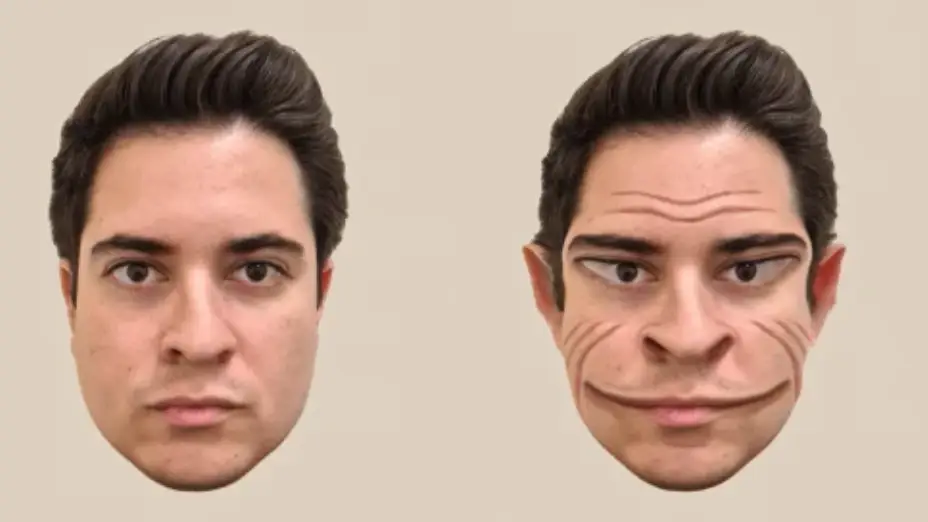
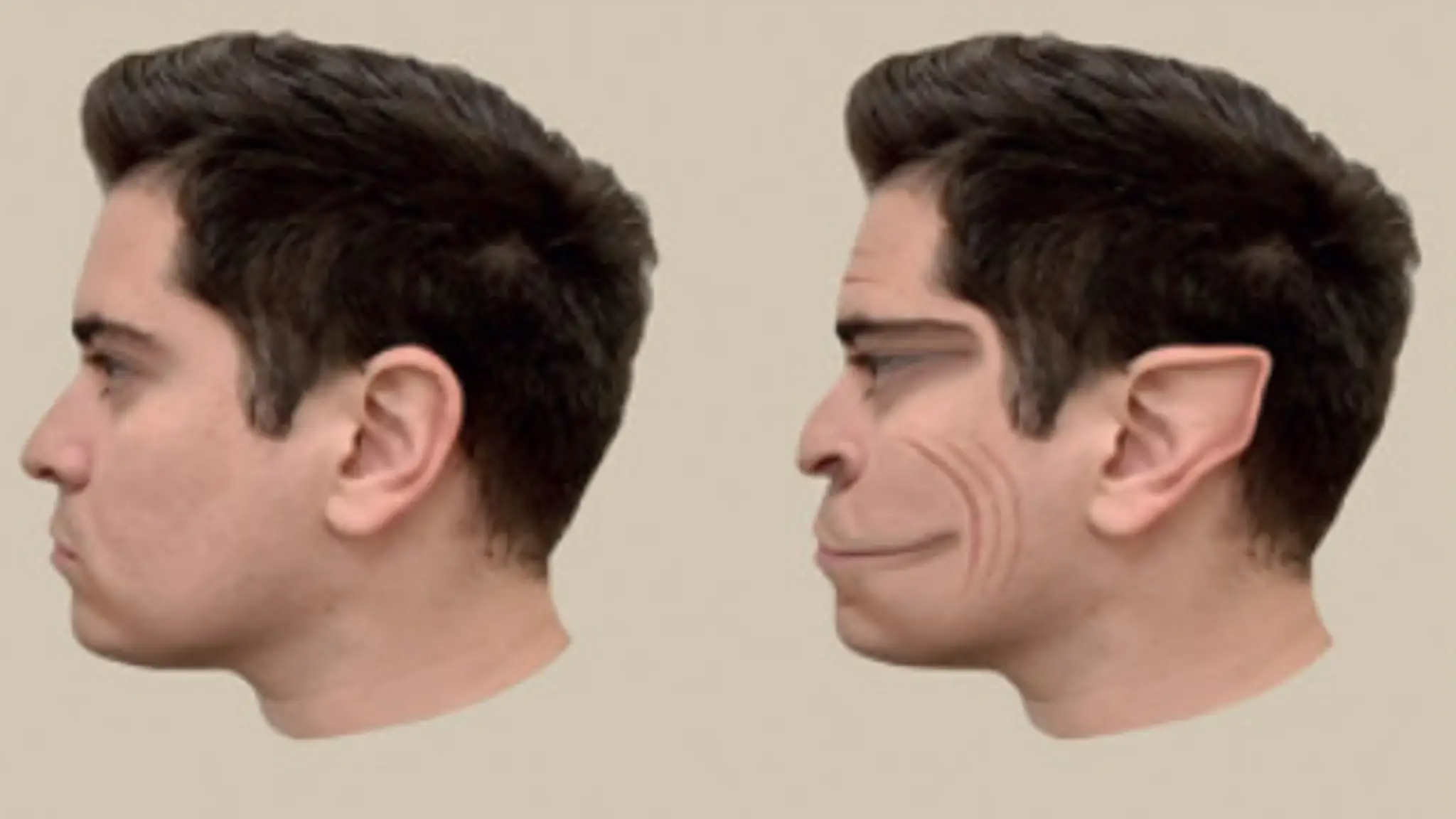
People's faces had appeared 'demon-like' to him, with their mouths and eyes stretched outwards, as well as enlarged ears and noses, and lines in their chins, foreheads, and cheeks.
Advert
To make things even more unusual, when Sharrah looked at a picture of someone on a screen, whether a phone or computer, the faces appeared normal, it was only when it was someone in person.
Things became so bad that Sharrah considered taking drastic action.
"I came so close to having myself institutionalised," he said.
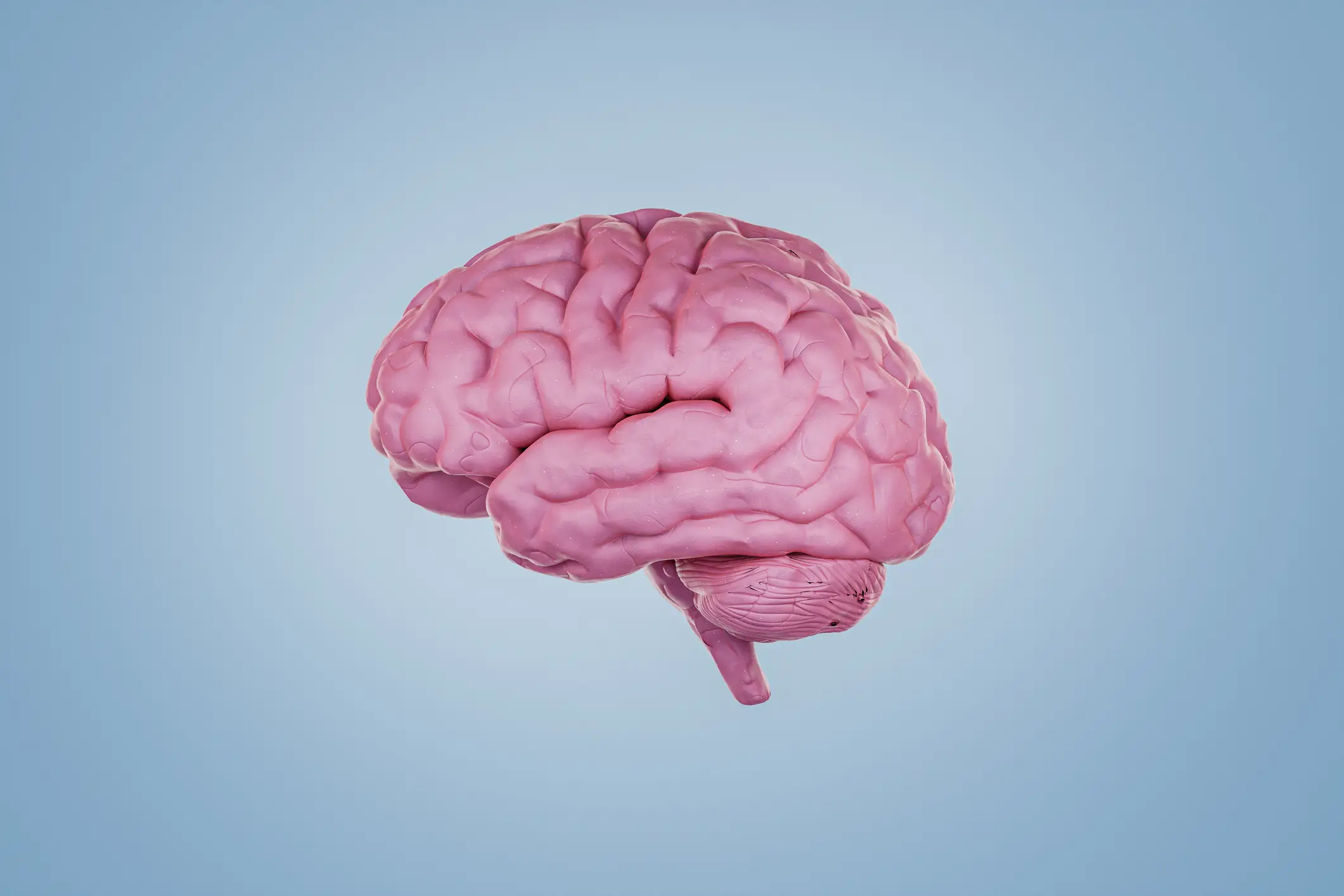
Sharrah's visions were the result of a rare neurological condition called prosopometamorphopsia, or PMO for short, a health condition caused by the part of brain which handles processing faces not working correctly.
Precisely how these distortions appear varies by case, with some people claiming they saw 'witch-like' features, and others reporting people's eyes becoming droopy or off-set.
The condition is extremely rare, with fewer than 100 reports of cases being published.
It's not understood what actually causes the condition either.
PMO is classed as a neurological condition because of one big difference with mental health conditions that can cause hallucinations.
This is that while someone with a mental health condition that causes hallucinations or delusions believe that it is real, or are not sure what is real, patients with PMO are generally aware that something is wrong with their vision.
Sharrah's condition is so rare in fact that he was even part of a study which was published in medical journal The Lancet.
This was aiming to reconstruct the distortions produced by PMO as pictures to get an idea of what patients with the condition experience.
"As the patient reported no distortion when viewing facial images on a screen or on paper, we asked him to compare an in-person face to a photograph of the face taken in the same room under identical lighting conditions," the authors wrote.
"By alternating between observing the in-person face perceived as distorted and the photo on a computer screen-perceived as undistorted, he provided real-time feedback on the perceived differences.
"We then used image-editing software to modify each photo until it matched his in-person perception."
The study's lead author is Antonio Mello, who is a PhD student at Dartmouth's Social Perception Lab, and is concerned that medics not knowing about the condition may lead them to wrongly diagnose patients with mental health conditions.
This could also result in people being prescribed medication which they do not need and which could have serious side effects.
While the precise cause is not clear, NBC has reported that scientists have some theories about what may have triggered the condition.
One was that 15 years earlier he had sustained a significant head injury, and MRI scans had revealed that he had a lesion on his brain.
On another occasion, just four months before he started experiencing PMO symptoms, he had carbon monoxide poisoning.
While sometimes symptoms can pass after days or weeks, they can sometimes stay for years.
Sharrah has found that green light can also help to relieve the symptoms, so wears green-tinted glasses when he is in crowds of people in an effort to reduce the impact.
Topics: US News, Mental Health, Health
 Kit Roberts