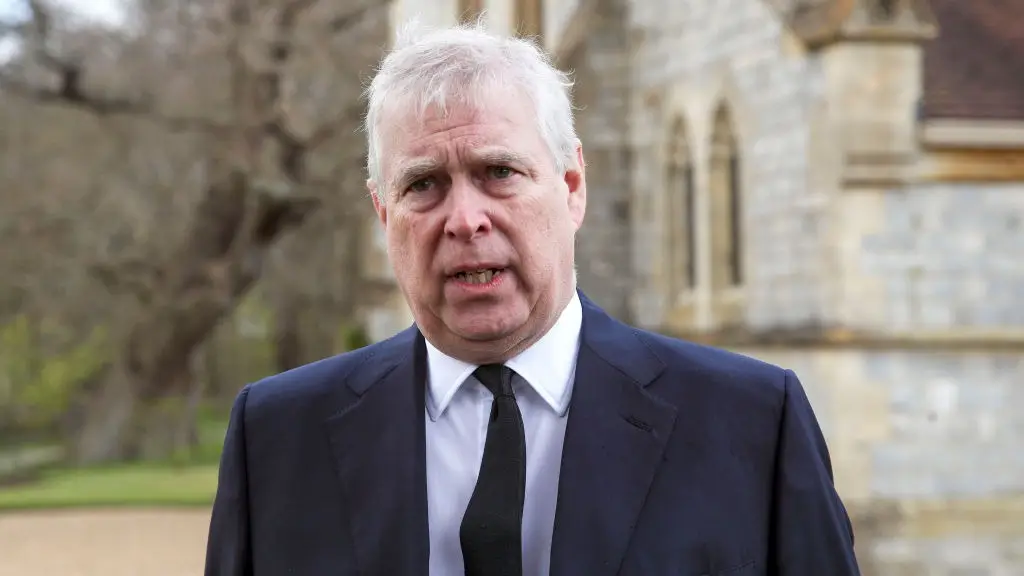
Andrew's name could change again due to Queen Elizabeth's request before death

Andrew Mountbatten Windsor could be facing another name change just weeks after his royal titles and styles were stripped.
Prince Andrew will not be known by his royal name any longer, as King Charles III made the decision to strip him of his titles in the face of persisting allegations against him following his friendship with financier and convicted paedophile Jeffrey Epstein.
The former Duke of York has also been made to leave his home at the Royal Lodge in Windsor as it was announced on 30 October that the King has 'initiated a formal process to remove the style, titles and honours of Prince Andrew'.
"Prince Andrew will now be known as Andrew Mountbatten Windsor. His lease on Royal Lodge has, to date, provided him with legal protection to continue in residence," part of Buckingham Palace's statement read.
Advert
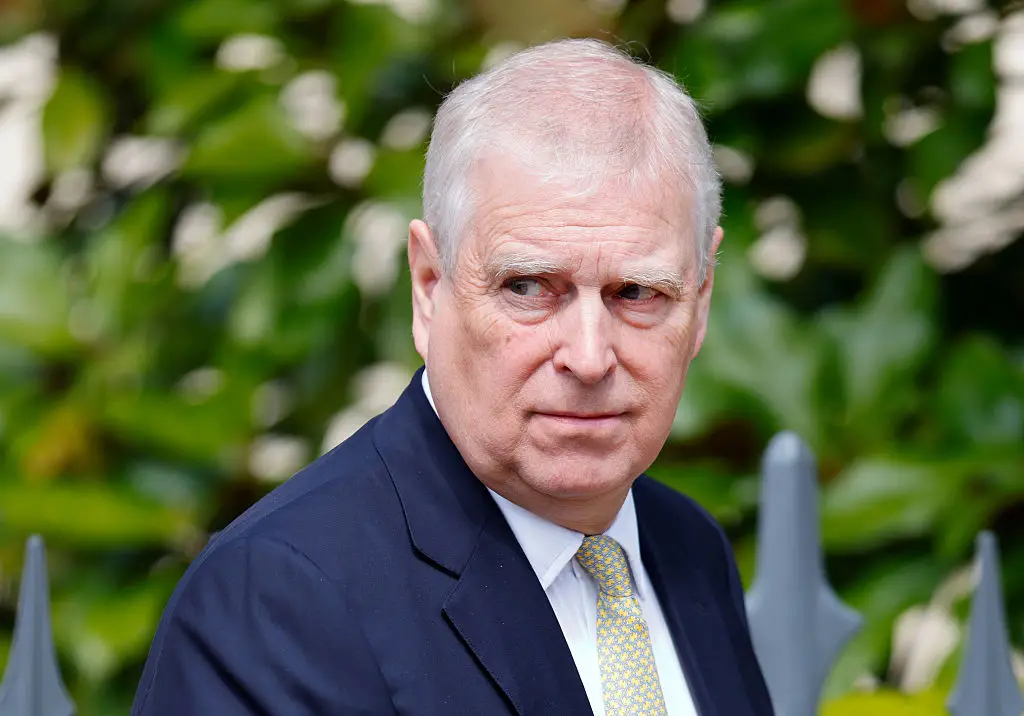
Allegations from Virginia Giuffre, who died by suicide in April, claimed that she was trafficked by Epstein and sexually abused by Andrew on three occasions while she was a teenager, which he has continually denied.
In his own statement, the former prince said the decision came after a 'discussion with the King', meaning that he is now known as Andrew Mountbatten Windsor, not 'His Royal Highness'.
But this may not be the final name change faced by the royal, who was recently summoned by Congress with regards to the Epstein files.
It's all to do with a request from his mother, the late Queen Elizabeth II, who may be responsible for the 65-year-old's potential new name - 'Andrew Mountbatten-Windsor'.
The double-barrelled surname is normally written with a hyphen, which wasn't included in the statement, as per a Privy Council order by the former Queen over the name her descendants should use.
It read: "Now therefore I declare My Will and Pleasure that, while I and My children shall continue to be styled and known as the House and Family of Windsor, My descendants other than descendants enjoying the style, title or attribute of Royal Highness and the titular dignity of Prince or Princess and female descendants who marry and their descendants shall bear the name of Mountbatten-Windsor."
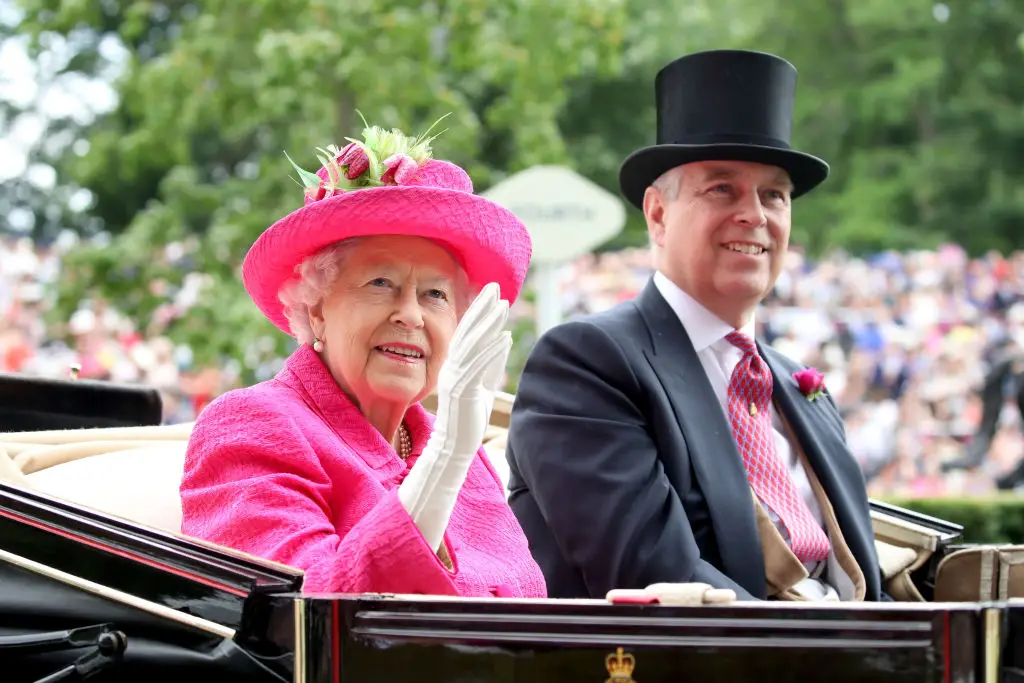
Essentially, those who aren't a prince or princess while being related to her must use the last name as it is written in the order, with the hyphen, so there is the possibility that Andrew will need to undergo a further name change to include this.
Windsor may be the royal house, but the Mountbatten name was used from Prince Philip, Queen Elizabeth's husband, onwards.
Andrew was born just days after the declaration was signed, meaning he was the first royal baby given the name at birth.
LADbible has contacted Buckingham Palace for comment.
Topics: Prince Andrew, Royal Family, King Charles III, The Queen
 Joshua Nair