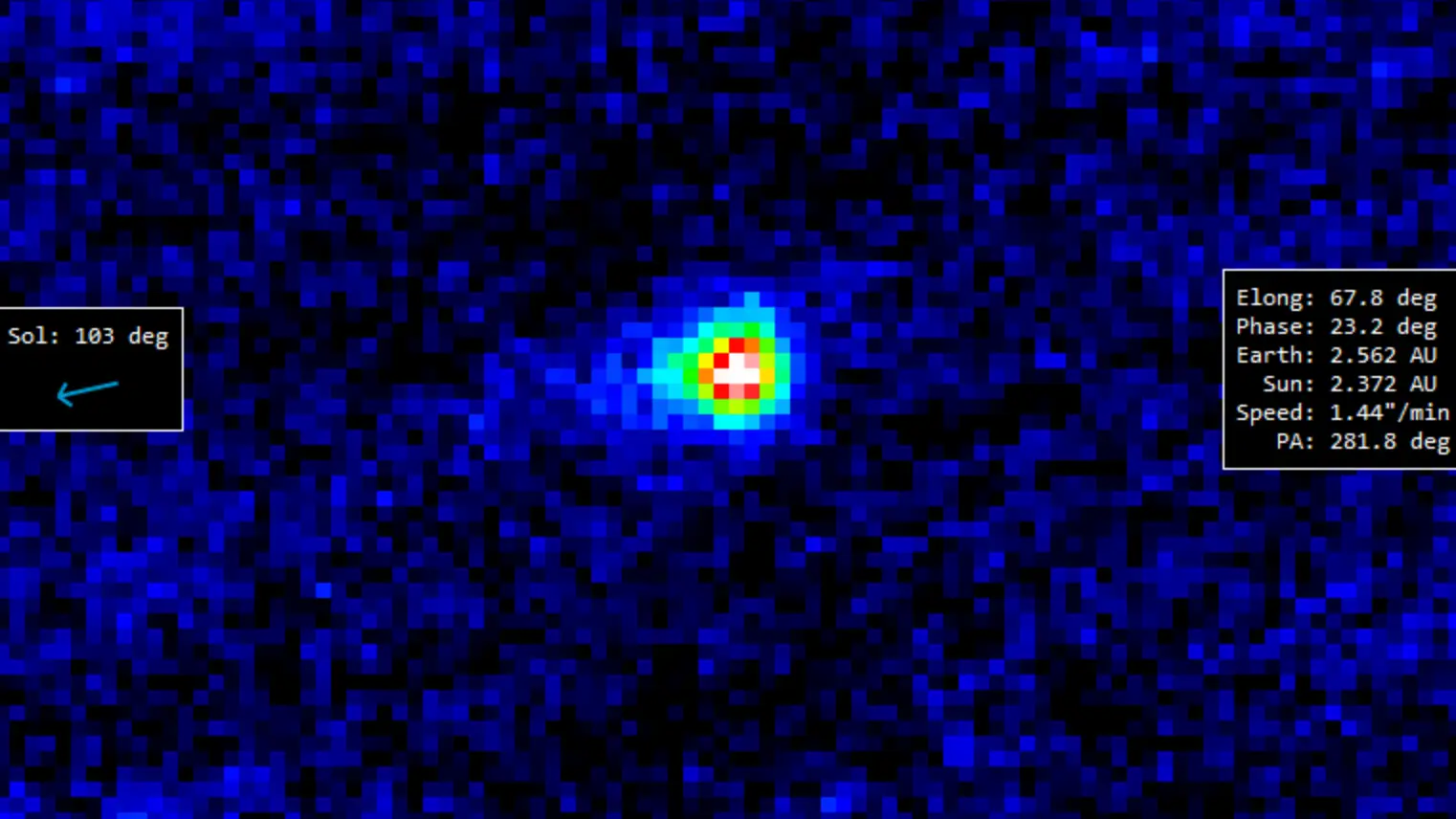
Astronomers detect first 'radio signal' from 'alien spaceship' that 'proves' its origin

Astronomers have reported the detection of a 'radio signal' from the interstellar object currently making its way through our solar system.
3I/ATLAS first appeared on our radars back in July, with Harvard professor Avi Loeb claiming there was a 30 to 40 percent chance it was something that wasn't a 'naturally formed' object.
Speaking to LADbible recently, the astrophysicist accused NASA of 'pretending to be the adults in the room' after the agency wrote off any chance of alien involvement, as Loeb said we have to be open to other possibilities, such as an 'alien mothership'.
The object is currently making its way around the Sun. It won't be visible to us on Earth until early December, according to NASA, which is when experts will then be able to make 'renewed observations'.
Advert
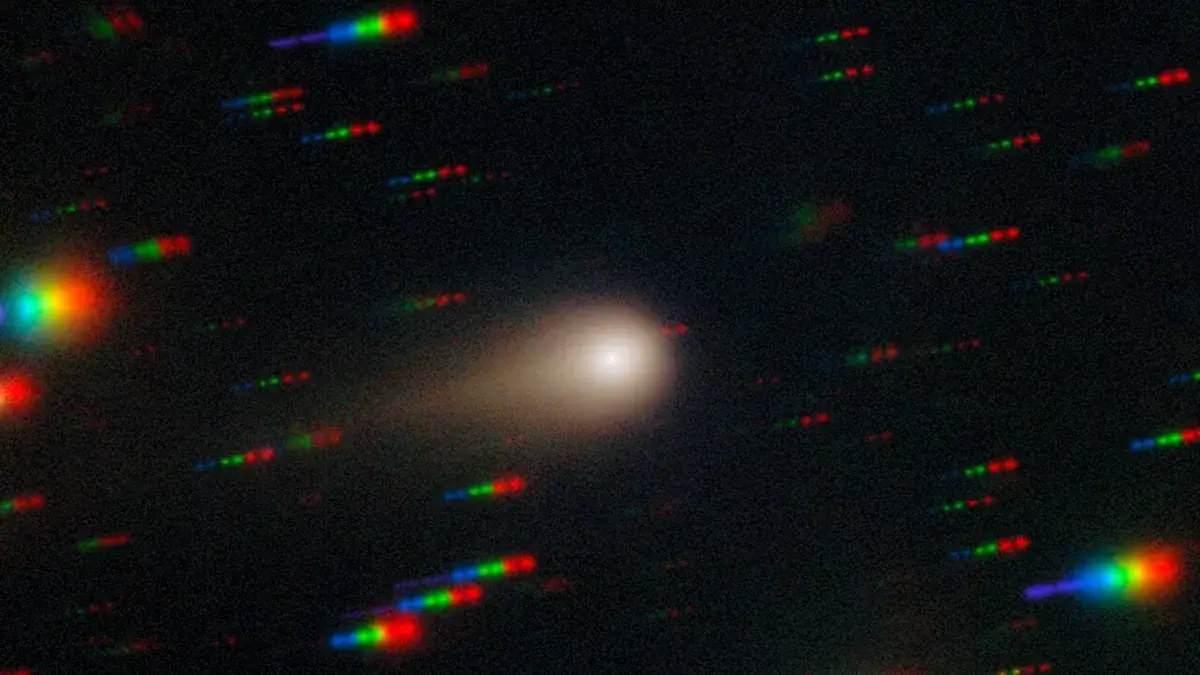
Despite Loeb's worries, many other experts in the field have unsurprisingly sided with NASA over its findings, though the Harvard expert has recently claimed that there may be a 'hot engine or source of artificial light' showing in images.
But now, scientists have claimed to have found 'radio waves' coming from the object itself, which could apparently be 'proof' of its natural origins.
The recorded observation was noted on 4 November in Astronomer's Telegram, as the result of specific wavelength absorption is actually linked to the presence of hydroxyl radicals, also known as OH molecules, which were found through the use of South Africa's MeerKAT radio telescope.
Livescience says that these radicals are formed by the breakdown of water molecules as they're ejected from the comet through outgassing, a sign of cometary activity, according to a 2016 study.
The analysis of the molecules around the object has found that the surface temperature of the comet is about 7°C, with it also measuring up to six miles in diameter.
In the past, astronomers have reported evidence of water coming from the interstellar object as some claimed they saw water coming from the comet, though the latest findings state that the water is being broken down by solar radiation.
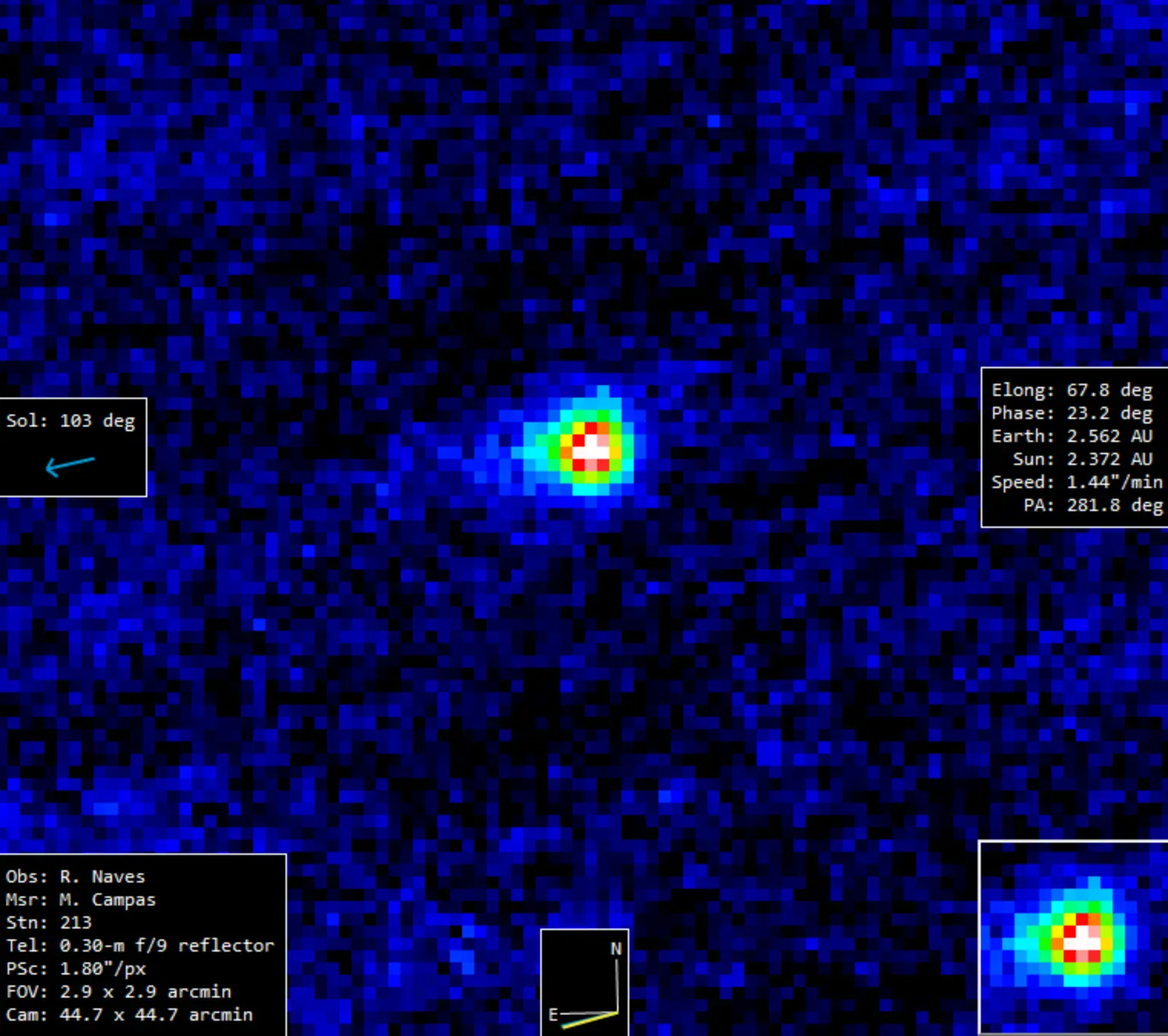
These new 'radio signals' were detected as the object made a brief disappearance behind the Sun during perihelion (its closest point to the Sun) and temporarily changed colour, something that Loeb also picked up on.
Scientists believe it could be one of the oldest objects of its kind that comes from an alien star system originating in the 'frontier' region of the Milky Way up to seven billion years ago.
NASA has been urged to release high resolution pictures of the object but due to the government shutdown, they have not yet been seen.
 Joshua Nair