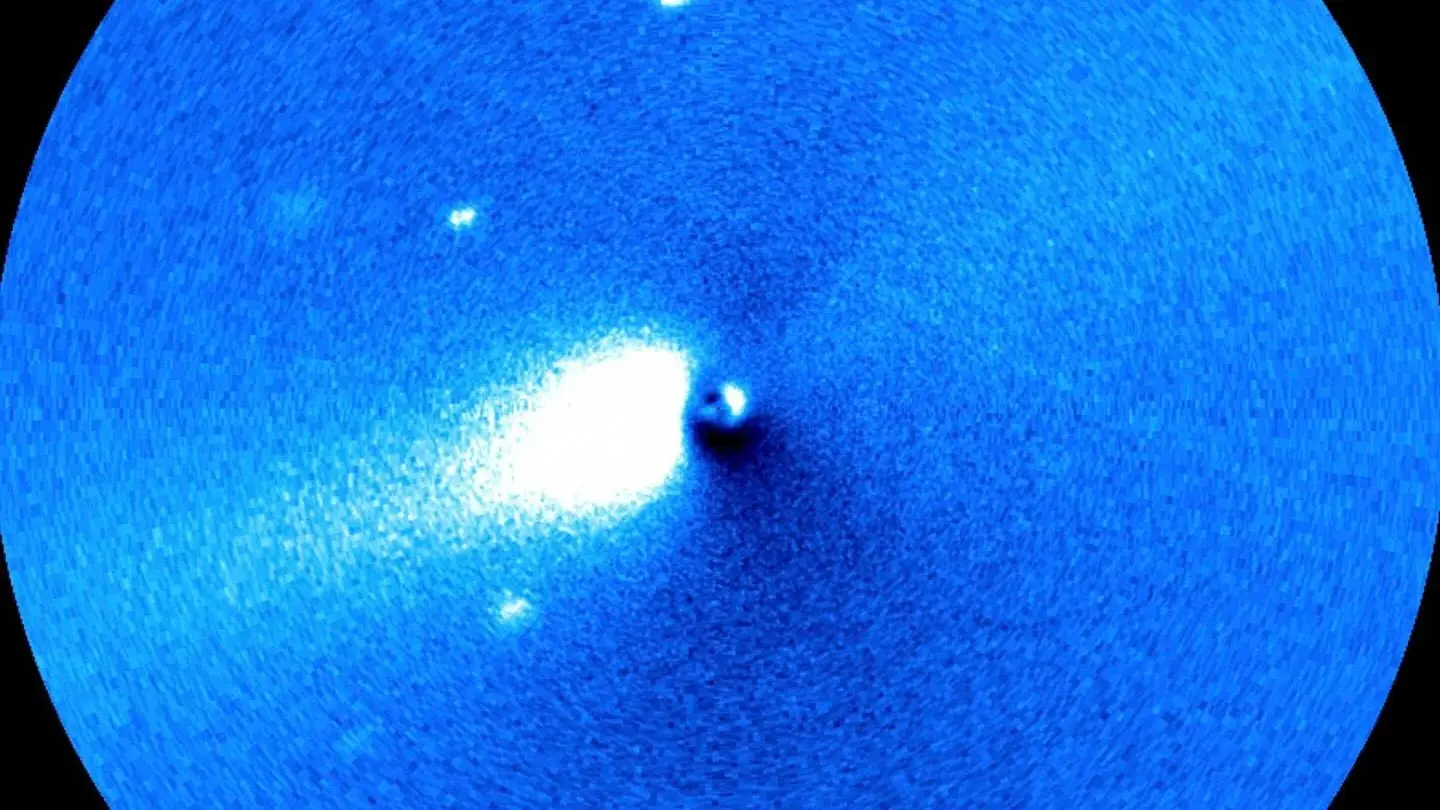
New evidence 'proves' the 'potentially hostile alien threat' isn't a comet

3I/ATLAS still isn't beating the alien allegations, as its latest behaviour has only fuelled extraterrestrial theories.
The interstellar object was first spotted soaring through our solar system in July, and scientists have been keeping an extremely close eye on it ever since.
It is only the third known object to be discovered passing through our celestial neighbourhood, hence why it is such a big deal.
NASA have said that the 3I/ATLAS 'clearly originates from outside our solar system', but adds: "Comet 3I/ATLAS poses no threat to Earth and will remain far away."
Advert
However, in a research paper, Harvard physicist Avi Loeb has suggested there is a 30 to 40 per cent chance that the comet was not a 'naturally formed' object and could possibly have 'active intelligence'.
Loeb then told LADbible that he had noticed qualities about the interstellar object which 'could be related to a power supply that is not natural, that is technological in origin, some kind of an engine'.
Essentially, he doesn't think that boffins should rule out the potential of 3I/ATLAS being alien.
Speaking to NewsNation, he called on world leaders during the summer to take UFOs more seriously and shared a warning that we need more things in place in case we humans do encounter aliens from space.
“I believe that we need an international organisation that will make policy decisions about such an object,” he said. “We are worried about existential threats from artificial intelligence, from global climate change, from an asteroid impact, but we never discuss alien technology.”
The mysterious object has put on a display of quite interesting behaviour recently, so the alien conspiracy theories about 3I/ATLAS have been running rampant.
It has previously grown a tail and an anti-tail, while astronomers reported the detection of a 'radio signal' from the interstellar object earlier this week.
Now, it's looking even more out of this world to some people, as it remained completely intact after bypassing the sun.
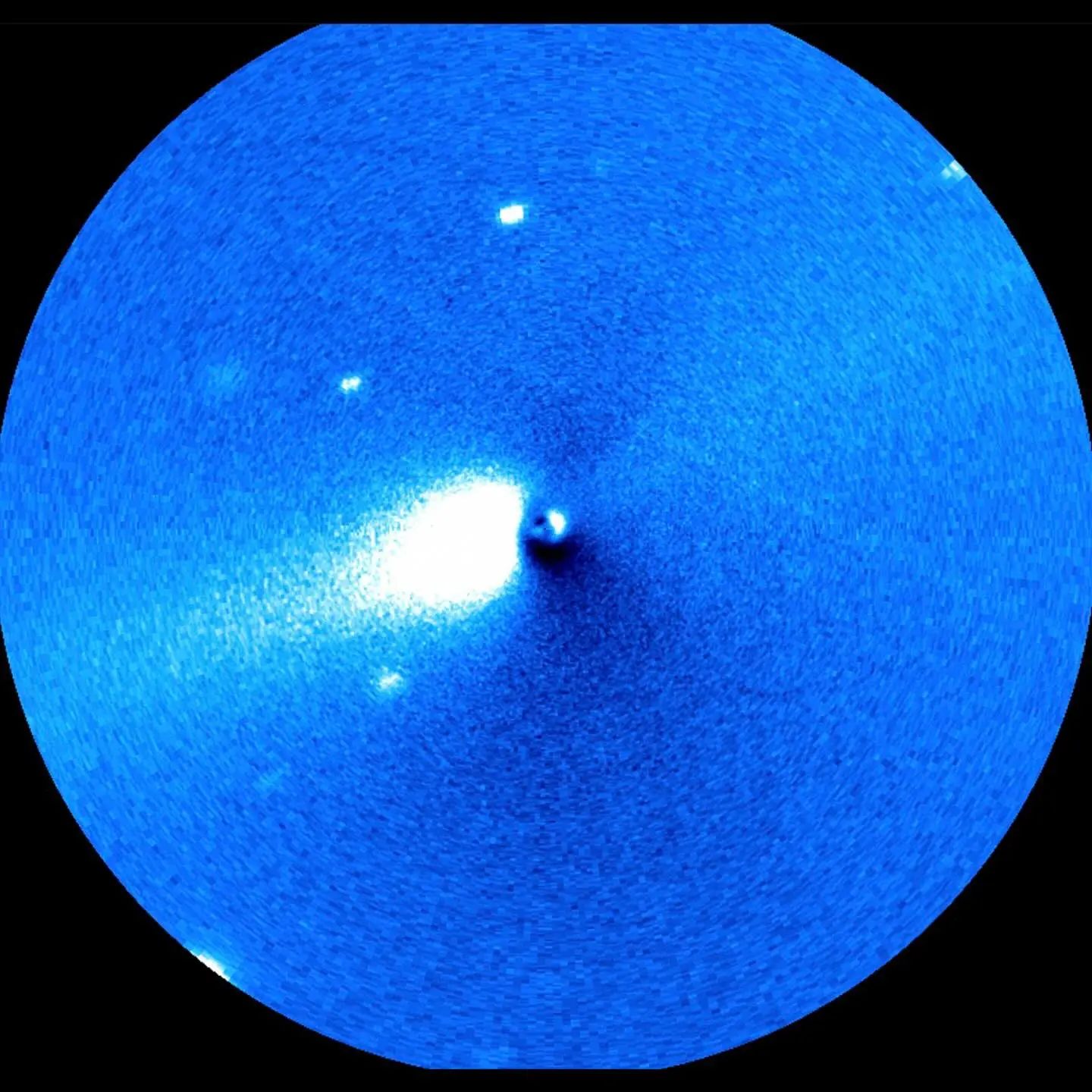
Usually, when a comet's orbit brings it close to the Sun, it heats up and spews dust and gases into a giant glowing head larger than most planets, NASA explains.
"The dust and gases form a tail that stretches away from the Sun for millions of miles," it says.
But no fragments or debris were detected falling off of 3I/ATLAS, according to the latest data.
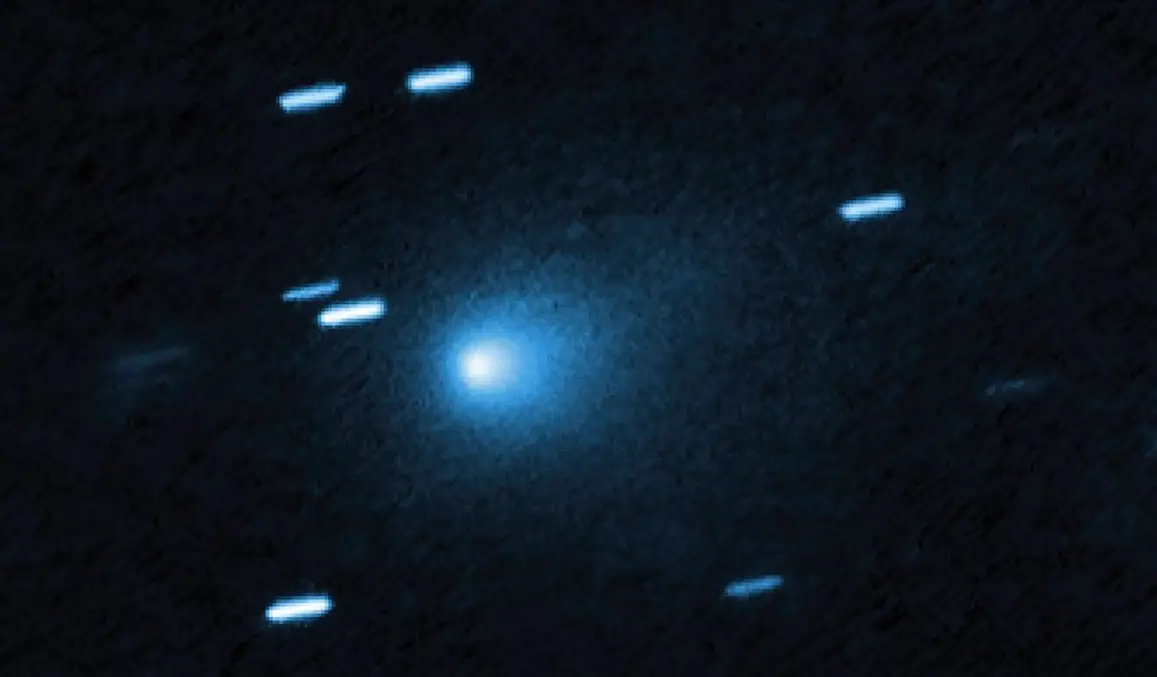
Astronomers David Jewitt and Jane Luu found that the body of the comet is still intact, encased by a glowing coma and an envelope of gas travelling in two directions - one towards the Sun and one away from it.
In a post on Astronomers Telegram, the pair explained: "3I/ATLAS continues as an active, single body, with no evidence for breakup following the recent perihelion passage."
The new snaps of 3I/ATLAS were captured by the Nordic Optical Telescope in Spain.
NASA said that the interstellar object won't be visible to us on Earth until early December, which is when experts will then be able to make 'renewed observations' - and hopefully, put the alien debate to bed once and for all.
 Olivia Burke