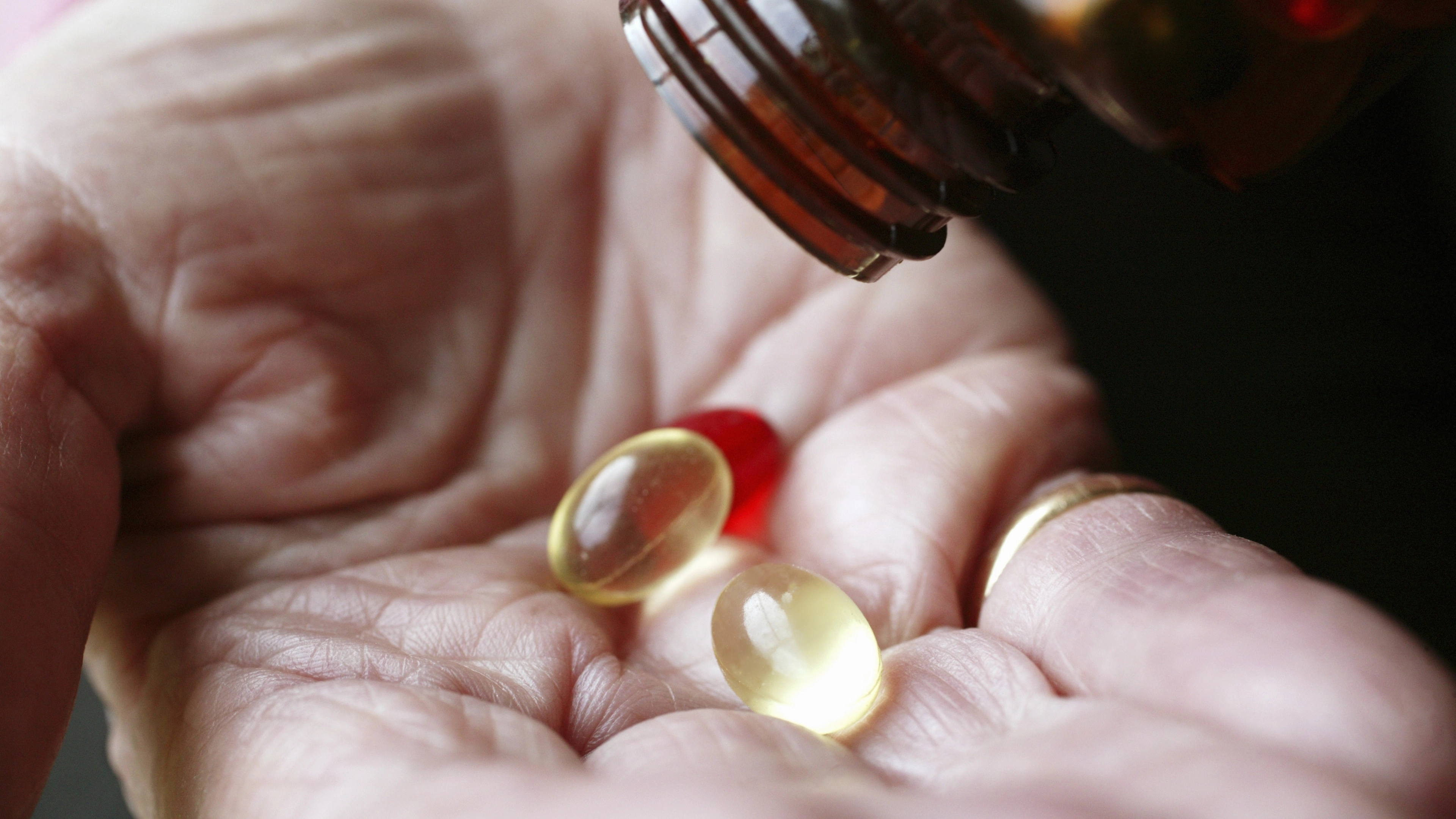
Worrying side effects of taking Omega-3 despite it being one of the most common supplements in the world

New research has suggested there may be a worrying side effect to healthy people taking Omega-3 supplements.
From iron to Vitamin D and beyond, the supplements market has expanded rapidly in recent years, with the Smithfield Agency projecting an annual increase of 6.53 percent between 2024 and 2029.
Meanwhile, revenue from the the sheer number of people - myself included - who take supplements reached $0.78bn (£585 million) in 2024.
But how beneficial are these tiny pills really?
Advert
Concerns have been raised about taking Vitamin D, a supplement recommended for daily intake by the NHS, with people urged to stop taking them if they notice certain symptoms.
And it's not just Vitamin D either, with a 2024 study highlighting worrying side effects which may be caused by Omega-3 supplements.

What is Omega-3?
Omega-3 fatty acids are crucial for the body's ability to build brain cells, support heart health and reduce inflammation.
The body cannot produce these acids naturally, however it can be found in fish, such as salmon and mackerel, as well as algae and plant sources such as flaxseeds, chia seeds and walnuts.
According to the NHS, it's recommended that you eat two portions of fish each week.
Omega-3 supplements - such as Cod Liver Oil or Flaxseed Oil - are also widely used to boost Omega levels.
What are the worrying side effects of Omega-3?
Given the importance of healthy fats in our diets, you'd think taking Omega-3 supplements would be a pretty safe bet.
However, one study has suggested there could be worrying side effects from taking the supplements.
Research carried out at Sun Yat-Sen University in China and published in the BMJ showed associations between healthy adults who'd taken fish oils and an increased risk of atrial fibrillation (irregular heartbeat); heart attack, stroke, and heart failure.
After studying 400,000 participants in the UK Biobank across 12 years, the research found that healthy adults with no known heart conditions had a 13 percent heightened risk of developing atrial fibrillation and a five percent heightened risk of having a stroke after frequent use of fish oils.

However the study revealed the opposite in adults with pre-existing heart conditions, noting that patients had a 15 percent lower risk of progressing from atrial fibrillation to a heart attack, and a nine percent lower risk of progressing from heart failure to death when compared to those who did not take a supplement.
Should we be worried about taking Omega-3 supplements?
Following the study, the British Heart Foundation published a response.
The BHF pointed out that while the study does indeed show a link between fish oil and an increased risk of heart conditions in otherwise healthy people, it did not prove cause and effect.
It's also worth noting that the type of fish oil supplement and frequency in which participants had taken them were also not noted.
Topics: Health, Food And Drink, Lifestyle
 Brenna Cooper