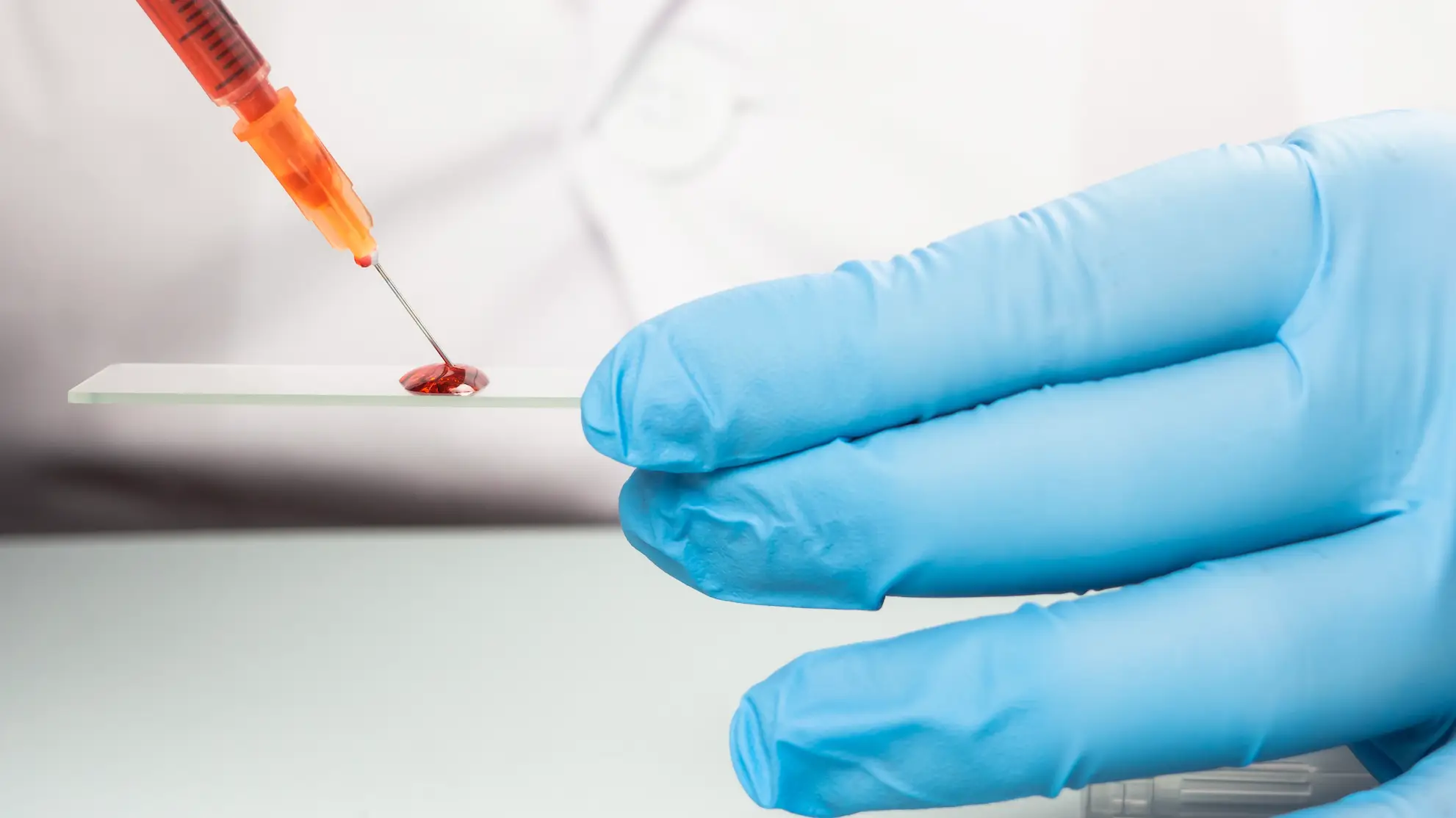
Less than 50 people in the world have super-rare ‘golden’ blood type

The human body is always coming up with new ways to shock and surprise us, and it turns out that just 50 known people in the world have super rare 'golden' blood.
Despite scientists studying the human body for centuries, we are constantly discovering new diseases, cell structures, and even rare blood types.
You need only ask the man that recently stopped sweating and lost his hair after a tattoo to realise that the plethora of external factors we expose our bodies to means that we may truly never work out everything about our own species.
There will be a lot of people out there who might not even know their own blood type, despite it being crucial in the event of an emergency, as transfusions between differing blood types can lead to a severe immune response that could even cause death.
Advert
So, it's probably best to have a good old O or A positive, since they are the most common, but I suppose there is something cool about being just one of 50 people in the world who can claim to have the super rare 'golden' blood type, especially given golden blood, or ichor, is often described as the blood of the gods in Greek mythology.
Anyway, the blood type is also known as RH null and, on the topic of transfusions, people with it are encouraged to freeze their own blood in the event of an emergency, since the chances of a hospital having some on hand are pretty much zero.
However, while it might feel like you've been dealt with a tough hand, if you're born with this exceedingly rare blood type, scientists love it because of how it can be used in the research and medical community.
"If you get transfused with donor blood that contains different antigens to your own blood, you'll make antibodies to that blood and attack it," says Ash Toye, professor of cell biology at the University of Bristol. "If you get transfused with that blood again, it can be life threatening."

This is because of the different antigens (molecules on the surface of cells), that exist in different blood types can cause immune reactions if given to the wrong patient. Although those with O negative blood type are described as universal donors, this isn't the whole truth, since there are 47 blood types and 50 types of Rh antigens, meaning it's never completely risk-free to use that blood type.
However, people with Rh null blood lack all 50 Rh antigens. Although they cannot receive any different blood themselves, O type Rh null blood is extremely valuable as the majority of people around the world can receive it.
In emergencies where a patient's blood type is not known, O type Rh null blood could be given with a low risk of allergic reaction. So it's no surprise that scientists are now trying to figure out how to replicate this 'golden' blood type.
"Rh [antigens trigger] a large immune response and so if you have none of [them] at all then essentially there's nothing to react to in terms of Rh," says Toye. "If you were type O and Rh null then that's pretty universal. But there are still other blood groups that you still have to consider."
So, if you are one of the lucky (or unlucky) 50 or so people who boast this blood type, you might just end up saving a lot of people's lives in the future.
 James Moorhouse