ladbible homepage
ladbible homepage
  • iconNews
  • videos
  • entertainment
  • Home
  • News
    • UK
    • US
    • World
    • Ireland
    • Australia
    • Science
    • Crime
    • Weather
  • Entertainment
    • Celebrity
    • TV
    • Film
    • Music
    • Gaming
    • Netflix
    • Disney
  • Sport
  • Technology
  • Travel
  • Lifestyle
  • Money
  • Originals
    • FFS PRODUCTIONS
    • Say Maaate to a Mate
    • Daily Ladness
    • UOKM8?
    • FreeToBe
    • Citizen Reef
  • Advertise
  • Terms
  • Privacy & Cookies
  • License Our Content
  • About Us & Contact
  • Jobs
  • Latest
  • Archive
  • Topics A-Z
  • Authors
Facebook
Instagram
X
Threads
Snapchat
TikTok
YouTube
Submit Your Content Here
  • SPORTbible
  • Tyla
  • GAMINGbible
  • LADbible Group
  • UNILAD
  • FOODbible
  • UNILAD Tech
Scientists worked out the maximum age a person can actually live to after conducting study

Home> News> Science

Published 10:45 26 Oct 2024 GMT+1

Scientists worked out the maximum age a person can actually live to after conducting study

While we're probably not going to live forever, we could see the average human's lifespan extended in the not-so-distant future

Ella Scott

Ella Scott

google discoverFollow us on Google Discover

In his script for the 1966 film A Man for All Seasons, screenwriter Robert Bolt stated: “Death comes for us all; even at our birth, death does but stand aside a little.”

And you know what? He’s pretty spot on because the only thing that’s certain in life is death… and taxes, as the idiom goes.

While eating a well-balanced diet, not smoking cigarettes and enjoying an active lifestyle may potentially increase your life expectancy, death does eventually come knocking.

But thanks to medical advancements and documented economic growth the modern-day human’s life span is much longer than our ancestors.

Advert

The Office for National Statistics claims life expectancy at birth in the UK from 2020 to 2022 was 78.6 years for males and 82.6 years for females.

This beats out the US, where it sits at around 74.8 years and 80.2 years for males and females, respectively.

But just because there’s an average doesn’t mean there aren’t anomalies, just look at Jeanne Calment.

The Frenchwoman was at the ripe old age of 122 when she died in 1997, making her a supercentenarian - a person who is 110 years or older.

While most people get nowhere near that, the question of just how long the human body theoretically can survive is one of science’s most pressing questions.

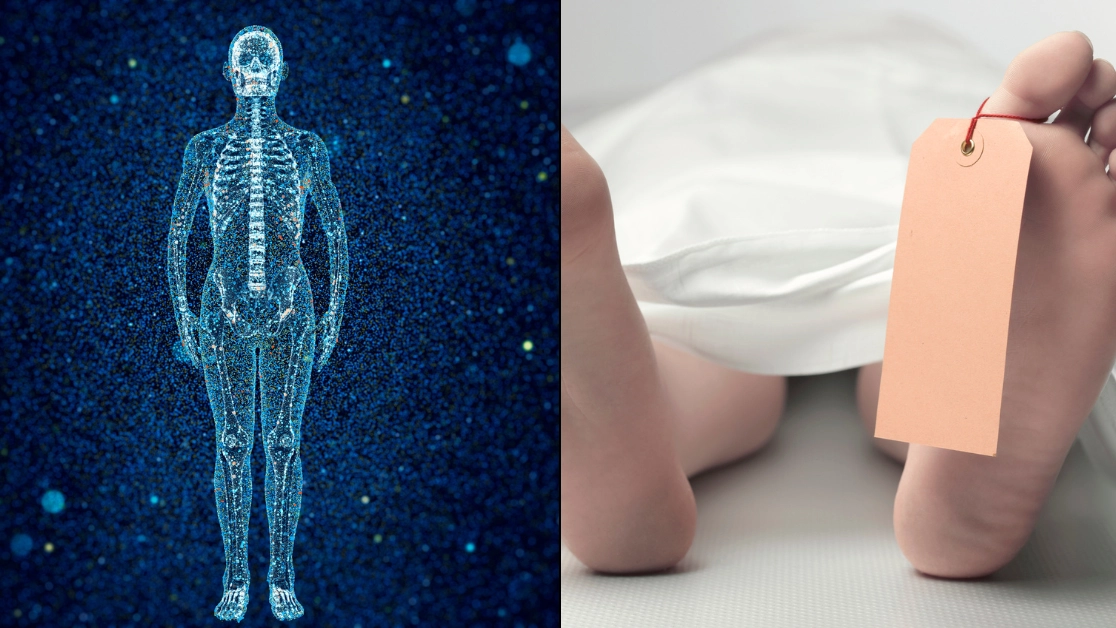
Scientists believe they know how long the human body can survive (Getty Stock Image)

In 2022, researchers from Singapore biotech company Gero and the Roswell Park Comprehensive Cancer Center in Buffalo, New York, studied human resilience and the body's ability to recover from damage.

Using AI, they combed through the medical data of hundreds of thousands of volunteers to estimate a human's maximum lifespan.

Factoring in age, illness and lifestyle factors, they found that somewhere between 120 and 150 years, the human body's ability to recover completely gave out, meaning that a person couldn't really survive beyond then.

Other studies into the science of ageing suggest the record for the world's oldest person will probably be broken again by 2100, but not everyone's going to be making it past Calment’s grand old age.

Meanwhile, drugs which could try to slow down the body's ageing process and theoretically let someone live for up to 200 years are being tested, but the idea that we're all about to live to 200 is a long way off.
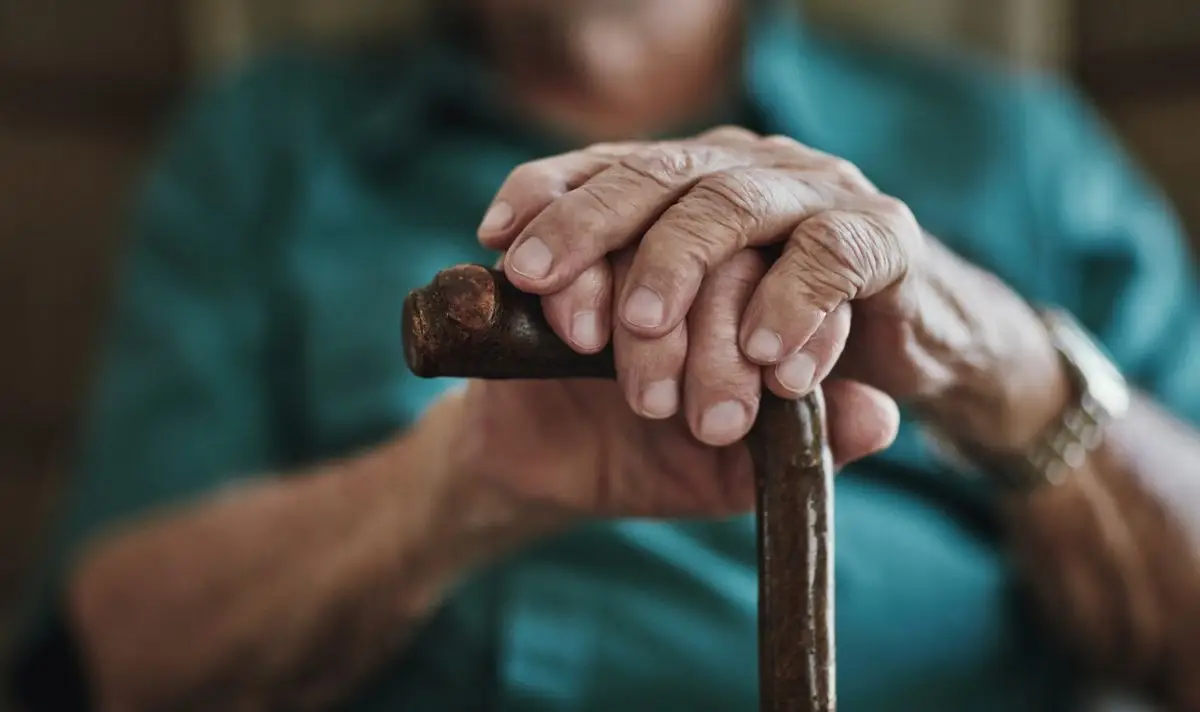
The oldest person to ever live managed to make it to their 122nd birthday (Getty Stock Image)

Of course, you could always hope that space travel advances to the point where you could move to another planet we discovered where people could live over 3,000 years.

Although, that’s because that planet has much shorter years, orbiting its sun once every 2.7 Earth days.

While you could technically call that living for plenty of years, by human standards it'd be cheating, and it wouldn't make you live longer.

Still, if you could make it to 150 that'd count as pretty good innings, and maybe by then we'd have invented a way for people to actually live forever - perhaps as robots.

Featured Image Credit: Getty Stock Images

Topics: Health, Science, Artificial Intelligence, World News

Ella Scott
Ella Scott

Recommended reads

Craig Charles shares what really happened in ‘traumatising’ Jimmy Bullard Adam Thomas bust upITVHealthy mum, 56, dies at Swiss clinic after losing only son as statement issuedFacebookFamily discover pet sitter was abusing their dog whilst on holiday after finding horrifying footageRSPCAJelly Roll makes heartbreaking admission after 'losing his way' on weight loss journeyTibrina Hobson/Getty Images

Advert

Choose your content:

an hour ago
2 hours ago
3 hours ago
4 hours ago
  • Facebook
    an hour ago

    Healthy mum, 56, dies at Swiss clinic after losing only son as statement issued

    Wendy Duffy was granted permission to end her life at Pegasos clinic in Switzerland

    News
  • YouTube/Onlyjayus
    2 hours ago

    Weed smoker of 10 years shows horrific first days of quitting

    She warned others about the addictive nature of the drug

    News
  • YouTube/CUT
    3 hours ago

    Videographer filmed couples before and after having sex for first ever time to show impact

    The couples had waited a long time to be intimate with each other

    News
  • Getty Stock Photo
    4 hours ago

    Weed smokers warned about horrific ‘scromiting’ side effect as Donald Trump reclassifies drug

    The number of people hospitalised due to 'scromiting' increased by more than 400 percent from 2016 to 2022

    News
  • Experts explain how you can reverse your biological age
  • Scientists conducted study on maximum age a human can live to
  • Scientists say cheap liquid can stop your teeth rotting from a young age
  • Every blue eyed person on Earth is a descendant of one single person, scientists find