
Woman had orgasm inside MRI scan machine to show what really happens to body

This is what happened when a scientist in the US recorded a series of women orgasming inside an MRI machine.
If you're due for an MRI scan at the hospital anytime soon, then it may be a good idea to make sure the bed is fully clean before hopping on, as several machines have been sacrificed in the name of some rather interesting experiments over the past couple of years.
Certain lucky (or unlucky) machines have experienced people giving birth, creating some truly terrifying images, pooping, and allowing tarantulas to run across their feet in the name of scientific research. And who could forget the brave couple who even volunteered have sexual intercourse inside a machine?
But just when you thought you'd heard it all, it turns out a study taking place in the early 2010s saw women allow their brains to be studied while orgasming inside the machine.
Advert
Yes, you read that correctly.
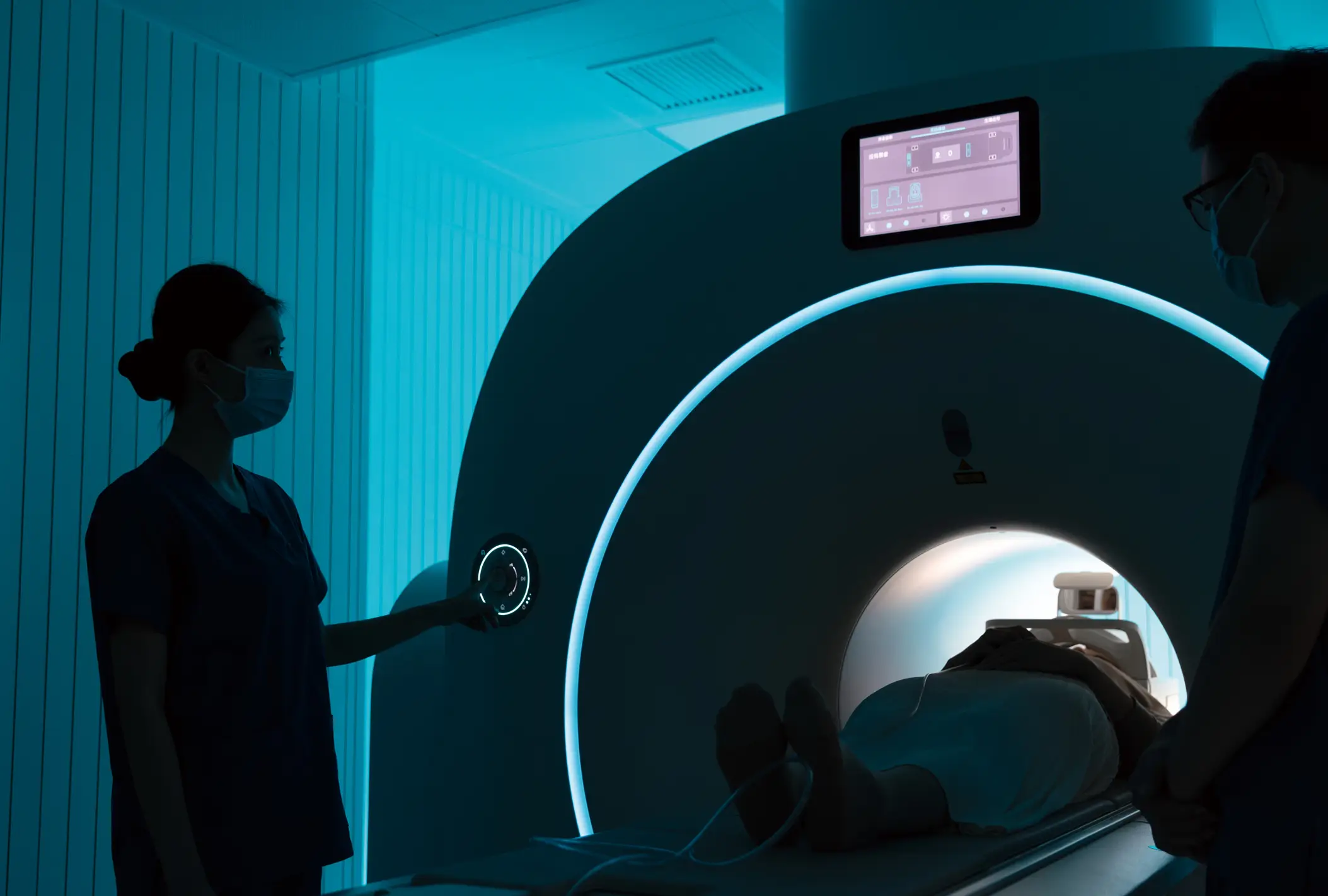
Spearheaded by Rutgers University professor Barry Komisaruk and sex therapist Nan Wise, the experiment is pretty much as expected, as a group of women are strapped into an MRI and then get themselves off while researchers record their brain activity.
How very romantic.
And thankfully, we don't have to wonder what the experience is like, as several women have shared details about their time as 'test subjects' in the experiment, which puts the pleasure back into scientific research.
Komisaruk previously spoke about his work in an interview with NJ.com after one of their reporters took part in the experience, dispelling any preconceptions about his research, adding: "We want to find ways to increase pleasure in people’s lives."
His study has also yielded some rather interesting results, including the fact that an orgasm can act as a natural pain-blocker, decreasing the sensation by as much as 50 per cent.
It also heightens a woman's sensitivity to physical touch, which isn't as surprising.

"The brain becomes very active as someone approaches orgasm," he continued, explaining how groups of nerves in the pelvic region relay messages to the brain, which in turn leads to a series of chemical reactions.
Pleasure chemicals such as dopamine and oxytocin are released, while physical reactions such as increased blood pressure and pupil dilation are recorded.
So what's the goal with Komisaruk's research?
According to Komisaruk, a further understanding of how the brain reacts during climax should be able to help people who struggle to achieve an orgasm, which may be as high as 50 per cent (according to University Hospitals).
"The more we understand how the brain works," Wise added. "The more we will be able to help people modulate its activity."
Topics: Science, Sex and Relationships
 Brenna Cooper