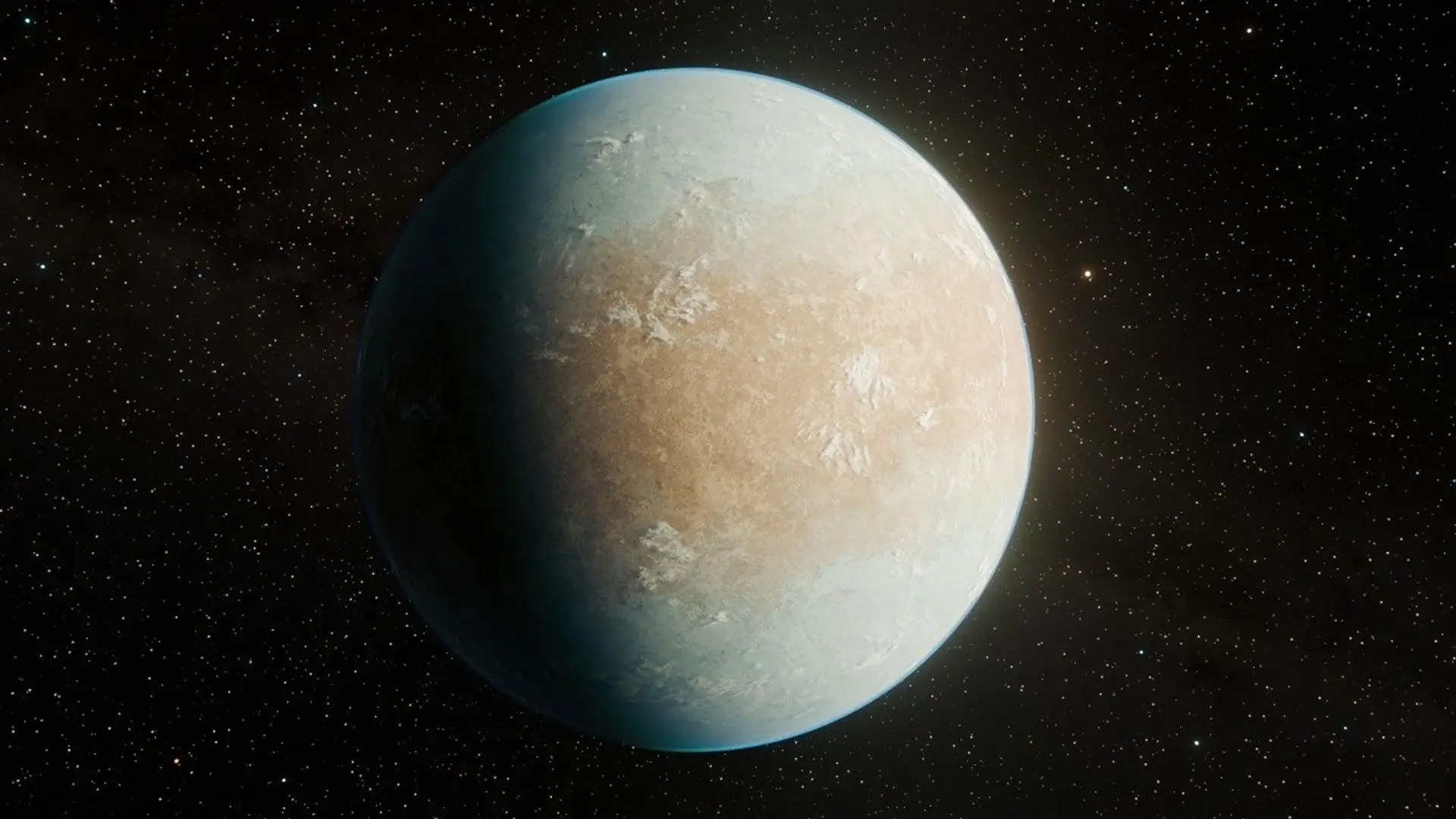
NASA discovers new planet ‘remarkably similar to Earth’

In a solar system far, far away NASA have discovered a planet which they think 'might be remarkably similar to Earth', though you'd need to wrap up warm if you ever visited.
The Kepler Space Telescope was retired in 2018 but there's all sorts of data experts have left to sift through and new discoveries can spring from things we've actually seen years ago but just didn't get round to recognising.
Around 146 light years away there is a planet which is orbiting a star not unlike our own Sun, and NASA has suggested that there are some things about this planet which mean it could be similar to Earth.
One of them is that the planet's orbit appears to be somewhat like ours, so it would seem to take around a year of our time for it to complete a rotation of the star at the centre of its own solar system, while it's also possibly a 'rocky planet'.
Advert
Something else very encouraging is that this planet, currently referred to as Planet HD 137010 b, might be fortunate enough to exist just within the confines of its stars 'habitable zone'.
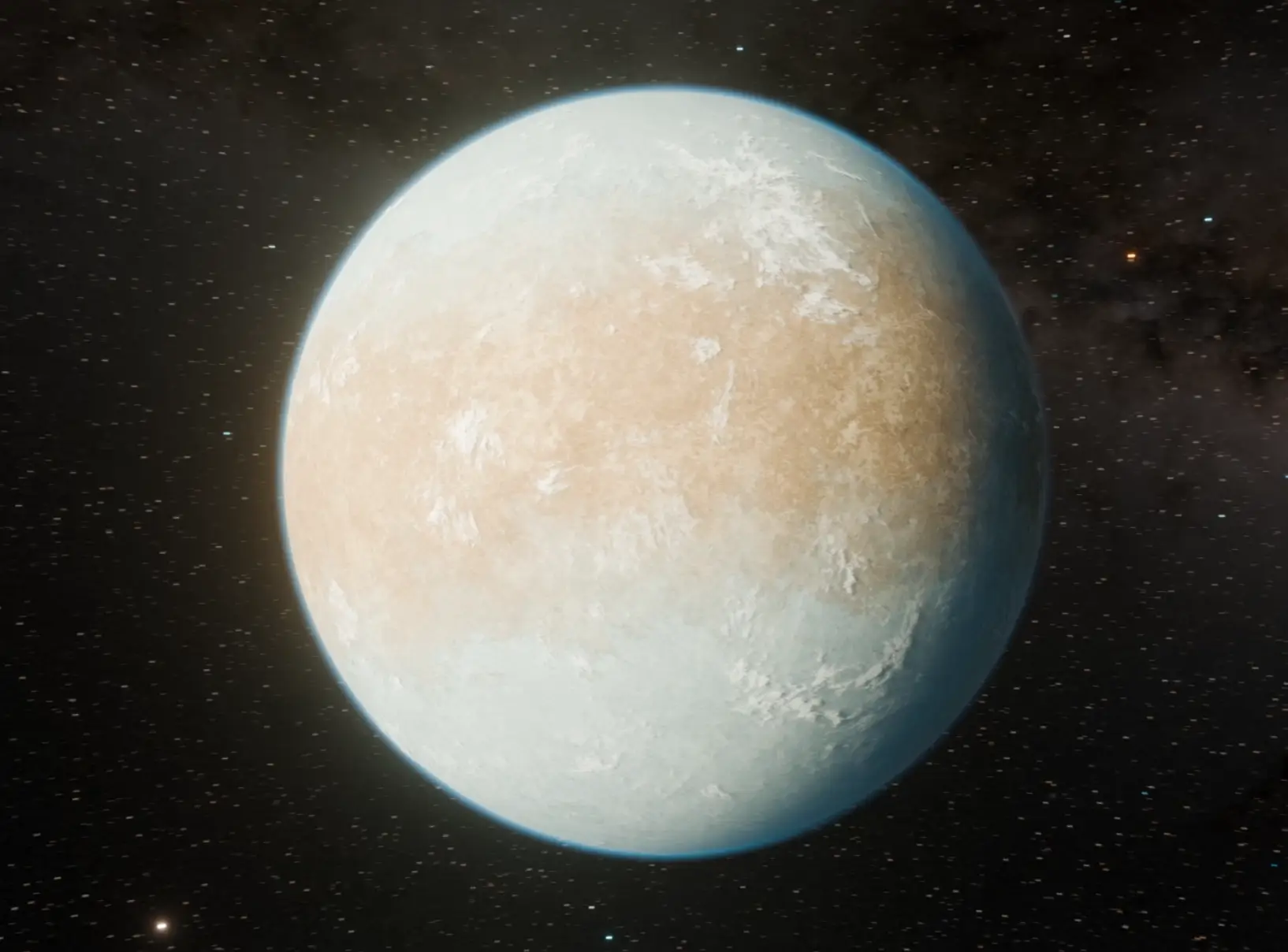
The 'habitable zone' is also sometimes referred to as the 'Goldilocks zone' and refers to planets which are not too close nor too far from their star so with the right atmosphere liquid water could form there.
It's an exciting prospect, but here's where we have to remind you to hold your horses somewhat.
First off, it's 146 light years away so the chances of us getting over there are very remote indeed, at least until we develop a travel system which would be more at home on the likes of Star Trek.
Next is that this planet is just on the edge of the zone and the star it orbits, HD 137010, is not as hot or bright as our own beloved Sun so conditions on this faraway planet are likely to be much cooler.
NASA estimates that the surface temperature is likely no higher than -68C, meaning it's colder than the surface of Mars which is -65C.
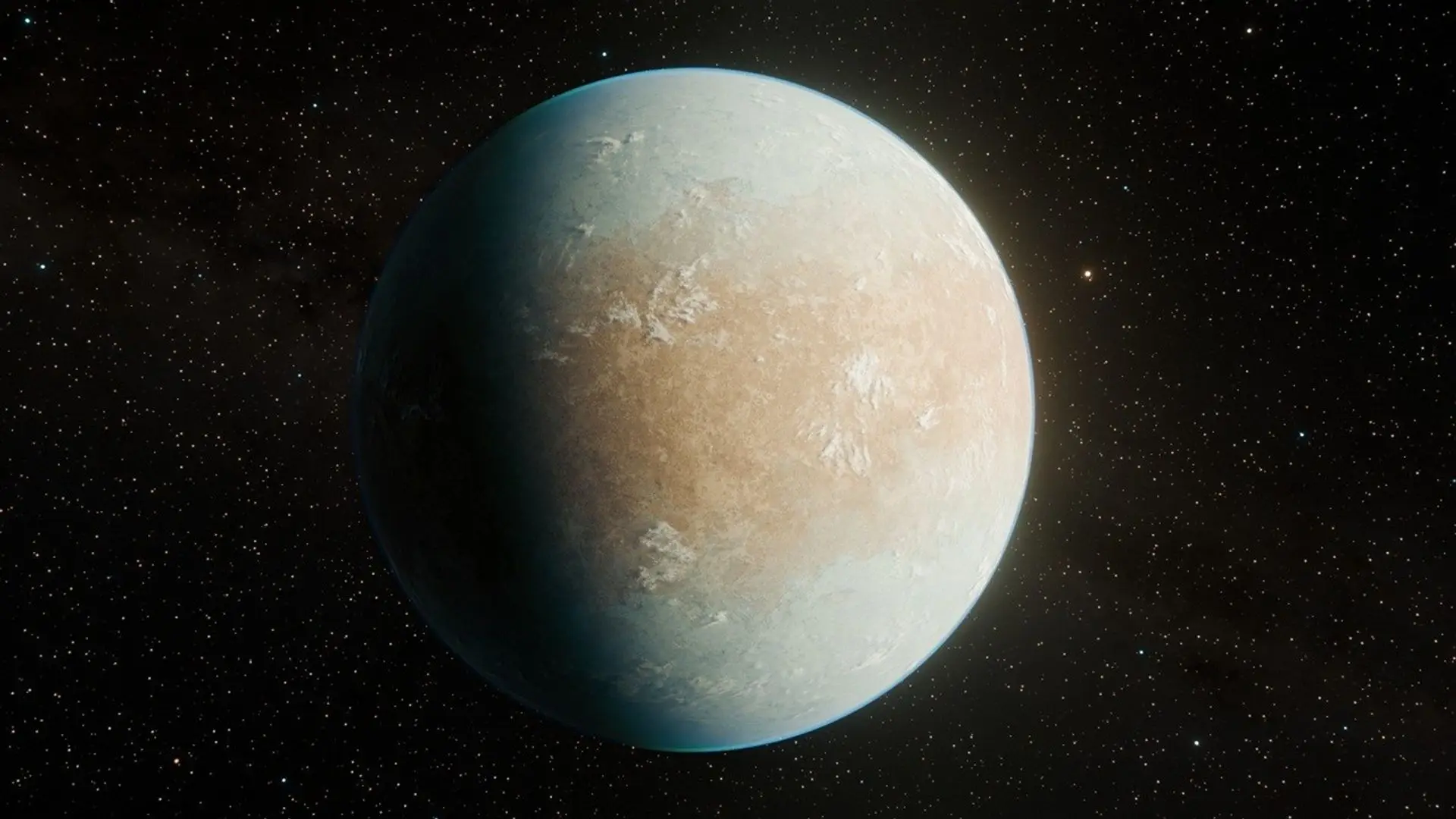
A study on the planet gives it a 50-50 chance of being in the 'habitable zone', so further information could tell us this world is nearly but not quite in the right place to support life.
More studies on the planet are needed to find out more details about it and determine just how like Earth this world is, because right now it's very far away and seems like it would be absolutely freezing.
In slightly more positive news on this discovery if the planet's atmosphere has more carbon dioxide than Earth then the actual conditions on the surface could be watery and potentially sustain life.
You may also be thinking it's obvious that new planets discovered would be part of a solar system, but there are entities known as 'rogue planets' which are isolated planetary masses that do not have a star of their own to orbit.
But without the light and heat of a star they are not good candidates for discovering life or Earth-like conditions.
 Joe Harker