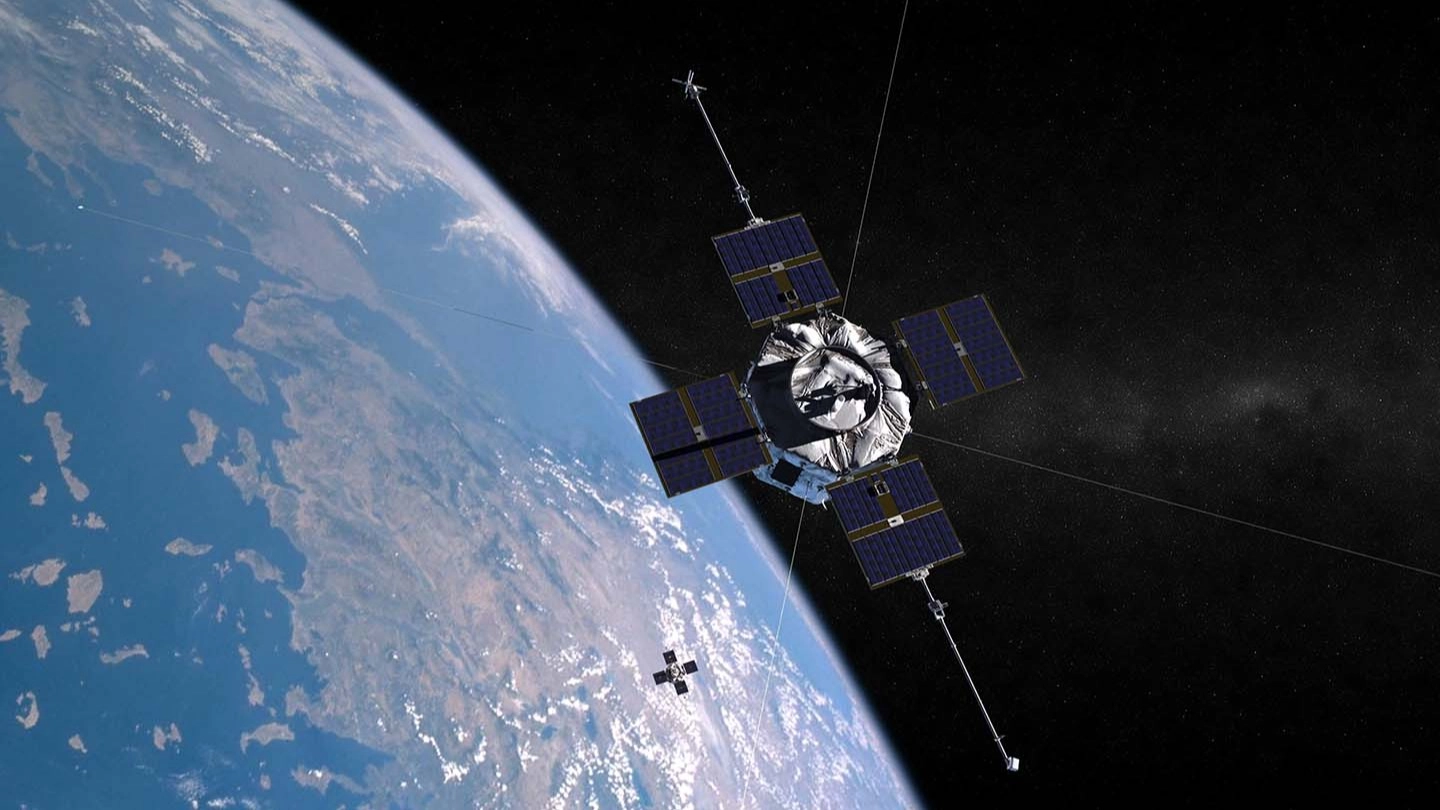
NASA satellite is crashing back to Earth today with potential threat to humanity

If 2026 isn’t already looking to be a dire time in the history books – NASA is here to get us just that little bit closer to Doomsday with its hurdling satellite.
From wars to political strife, the cost-of-living continuing and beloved celebrities passing away; this year is not our year.
It’s also not the year for this planet either, because NASA’s Van Allen Probe A is expected to re-enter Earth’s atmosphere in a big way, after almost 14 years after it was sent up.
The craft, and its twin, the Van Allen Probe B, have been in space from 2012 to 2019, where they soared through the rings around Earth’s magnetic shield, known as the Van Allen belts.
Advert
The belts, which shield Earth from things like solar storms and wind, or radiation, were being researched by the belts – particularly, how particles are gained and lost.
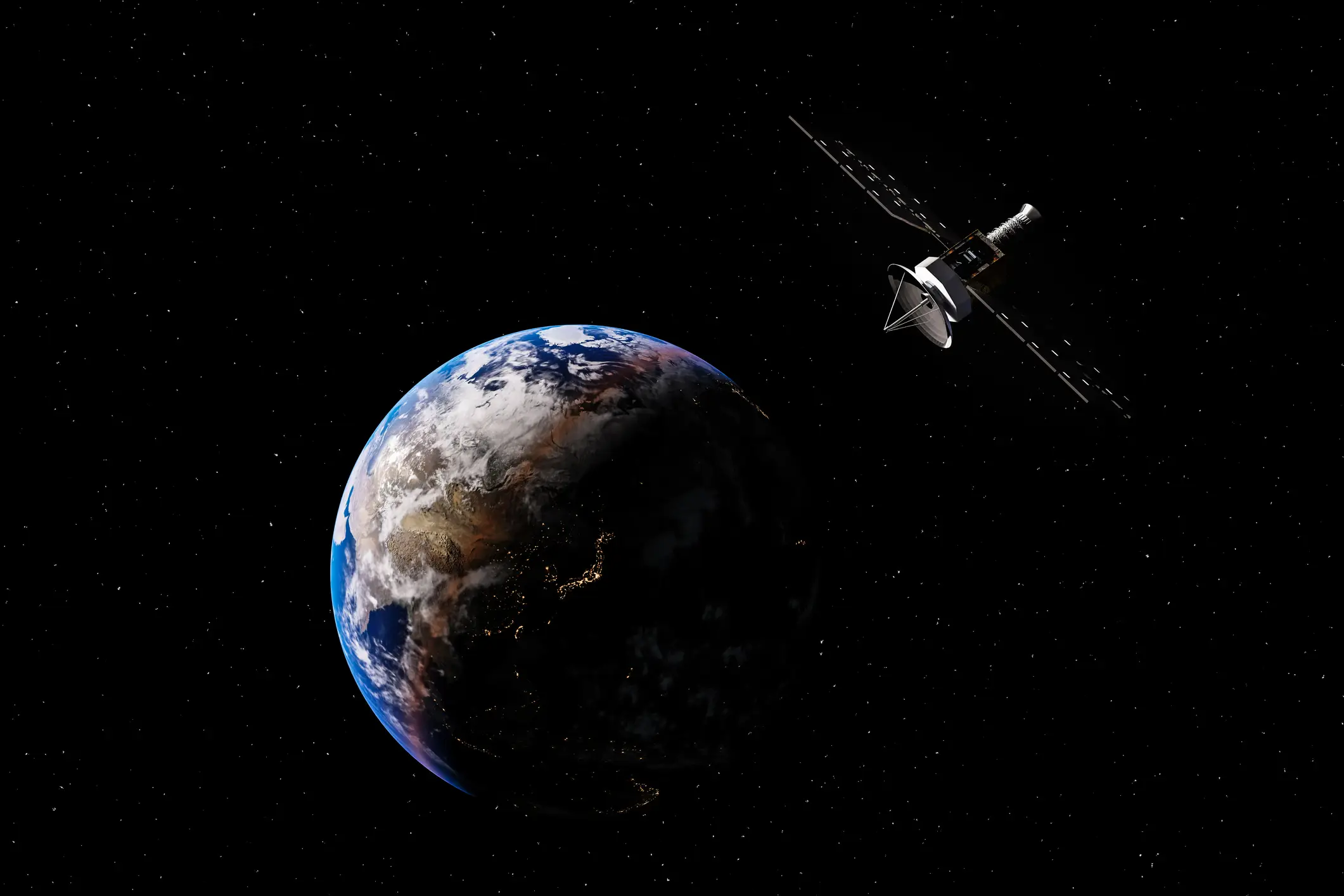
However, the spacecraft has been estimated to enter Earth once more in just a few hours.
At 7:45 p.m. EDT, or 12:30 a.m. here, the 1300 pound probe is expected to hit, but there is a small chance that this process could pose a health risk for the population as it crashes into our lands.
That’s because the components of the craft are going to mostly burn away, leaving some solid bits that’ll fly off.
With a 1 in 4,200 chance of something happening, NASA confirmed that the agency and Space Force will monitor it as it re-enters.

While it was first believed the craft would come back in 2034, the Sun has been very active in this solar cycle, ramping up cosmic weather like nobody’s business.
So, it got it closer to us by nearly a decade sooner than expected.
However, the Van Allen Probe B, is not expected to re-enter before 2030.
The probes were sent up on a mission that was supposed to last just two years until 2014, but they ended up staying there for nearly seven, NASA said.
This short time was determined the best option to minimise exposure to damaging radiation.
However, the Van Allen probes were the first that were meant to spend a significant amount of time in the region, per NASA , and they have even broke all records for spacecrafts to function in the area.
While they’ve been there, they collected the first data showing the existence of a third radiation belt that can form during intense solar activity.
The things they have collected have also been the subject of hundreds of publications, according to NASA.
But let's hope Probe A doesn’t feel like giving us a hard time and rain down its debris.
 Britt Jones