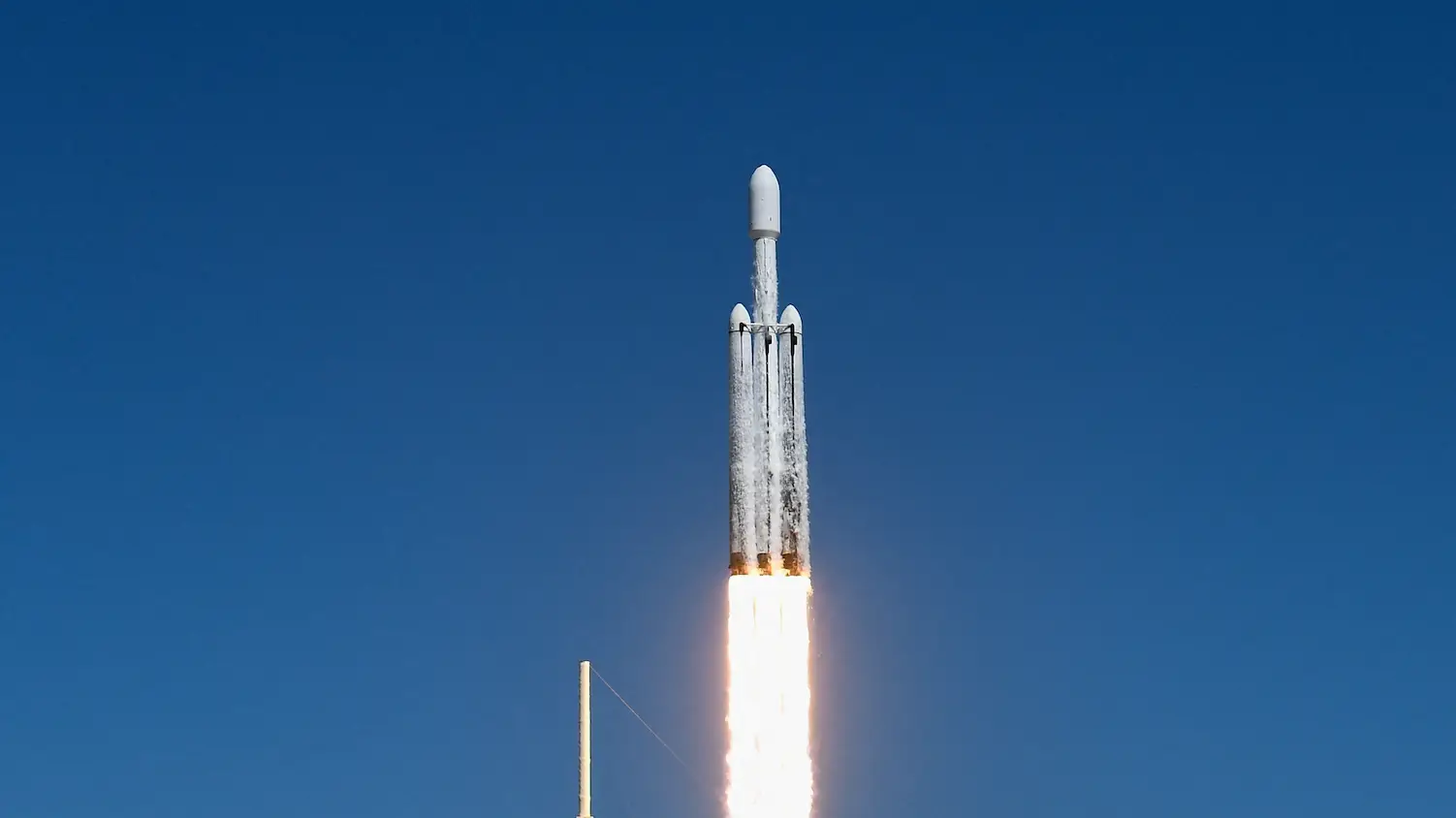
New NASA mission will be the first of its kind in over 50 years

A new NASA mission is set to see astronauts return to an area of 'deep space' that hasn't been visited in over 50 years.
Despite the Trump administration revealing last year that the space agency's overall budget would be cut to its lowest since 2015, it still has big plans for 2026.
Although some people are still struggling to believe that the 1969 moon landing still happened, the frequency with which we see rockets heading up above the Earth's atmosphere only looks likely to increase in the coming years, considering we've already sent Katy Perry and Jeff Bezos up there.
After the space race concluded in 1969 with America crowned as the winners, NASA has largely shifted its focus to other projects, which have seen the Mars Rover beam back images from the red planet, while the development of incredible telescopes also means that we can see further into space than ever before.
Advert
The last time an Apollo mission saw astronauts go around the moon was all the way back in 1972, and now NASA has announced that it is targeting a February launch for Artemis II, a 10-day crewed mission that will see astronauts repeat that feat.
Thankfully, the Greek mythology nerd in me is delighted that they've named the mission after Artemis, who was far more associated with the celestial being than her twin brother Apollo, who was more commonly linked with the sun but still gave his name to the initial NASA missions.
"We are going — again," NASA said Tuesday in a post on X.
Lori Glaze, acting associate administrator for NASA’s Exploration Systems Development Mission Directorate, added. "We are moving closer to Artemis II, with rollout just around the corner.
"We have important steps remaining on our path to launch and crew safety will remain our top priority at every turn, as we near humanity’s return to the Moon."
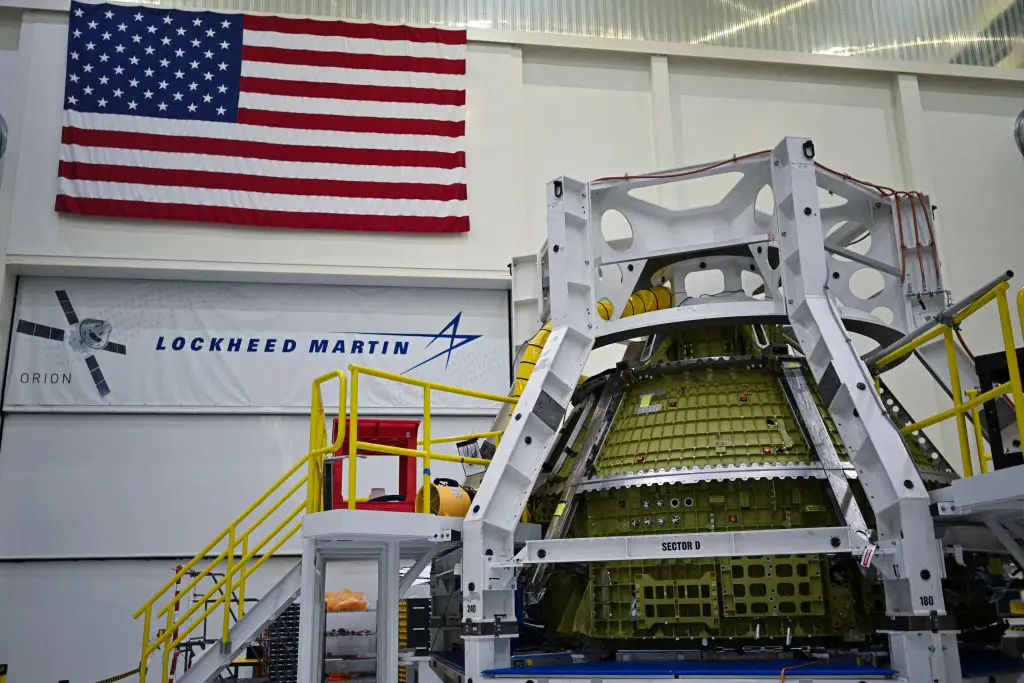
NASA hopes that 6 February will be the day that four astronauts shoot off in the 322-foot rocket, which will make a stop near Earth to check its systems before beginning its journey towards the moon.
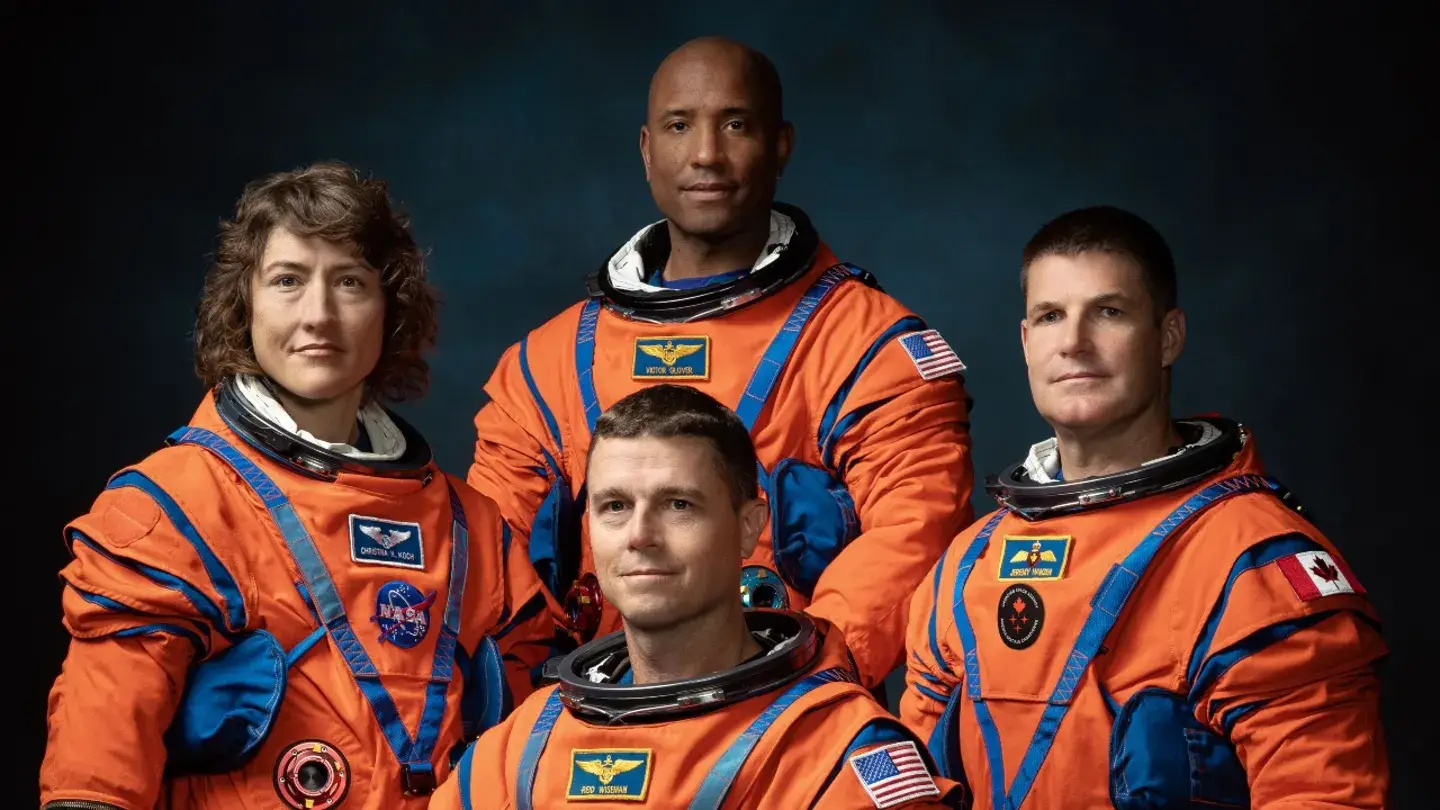
The crew, which includes NASA astronauts Reid Wiseman, Victor Glover and Christina Koch, along with Canadian Space Agency astronaut Jeremy Hansen, will spend four days travelling around the far side of the moon, taking them around 230,000 miles away from the Earth.
Interestingly, the ship's journey home will also move away from traditional methods, as instead of using fuel or jet engines, it will follow a fuel-efficient path that uses Earth and Moon gravity to guide the spacecraft back toward Earth, before eventually splashing down in the Pacific.
Topics: NASA
 James Moorhouse