Study reveals new details about most dangerous object on Earth that can kill from just 5 minutes exposure

Even today, the world's most emphatic nuclear disaster continues to leave its mark.
Back in April 1986, the reactor core at the Chernobyl Power Plant in Ukraine became unstable, triggering massive steam explosions which led to the reactor lid being blown off.
Two workers died in the immediate blast with many more succumbing to the radiation from the disaster, while hundreds and thousands of people were evacuated in the aftermath.
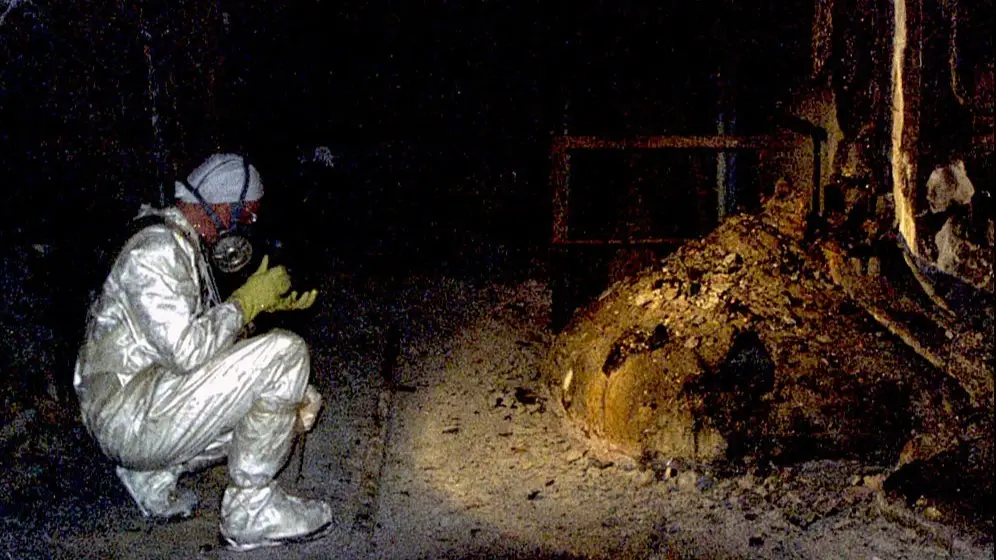
As a result, it takes someone very brave to go and investigate the reactor these days, particularly because of the 'radioactive lava' that has been left behind as a result of the disaster, a substance which has previously been described as the most dangerous object on Earth.
Advert
In fact, it's so deadly that you will start to feel the effects of it after just a few seconds of standing next to it, while a lethal dose of radiation can be delivered after standing near it for just a few minutes.
Considering that any sort of death from radiation is likely to be lingering and extremely painful, you'll have to make sure you have every sort of protection available if you ever plan on standing near it.
But as part of a new study, some scientists have managed to determine more about exactly how the lava formed in the first place.
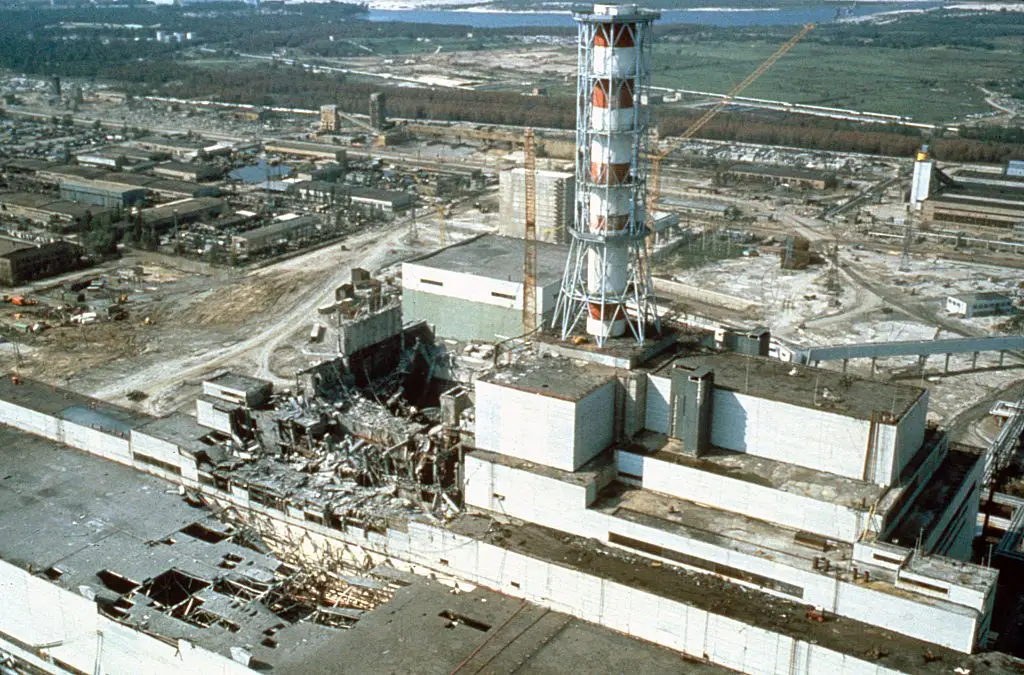
In the journal Progress in Nuclear Energy, the scientists wrote: "After the explosion, interaction of debris of the destroyed core with construction materials began in former under-reactor room 305/2, leading to formation of the 'lava'.
"The complex history of growth, dissolution and eventual new growth events recorded in zircon indicates dynamic evolution of the Chernobyl lava during its formation."
Thanks to some particularly powerful microscopes at the scientists' disposal, they were able to identify that the masses consist of tiny uranium-rich particles which became trapped inside the solidified mass.
Not only that, but the particles which are inside the mass are believed to have been altered several times over the past 40 years, due to a number of processes such as melting, dissolving and crystallising.
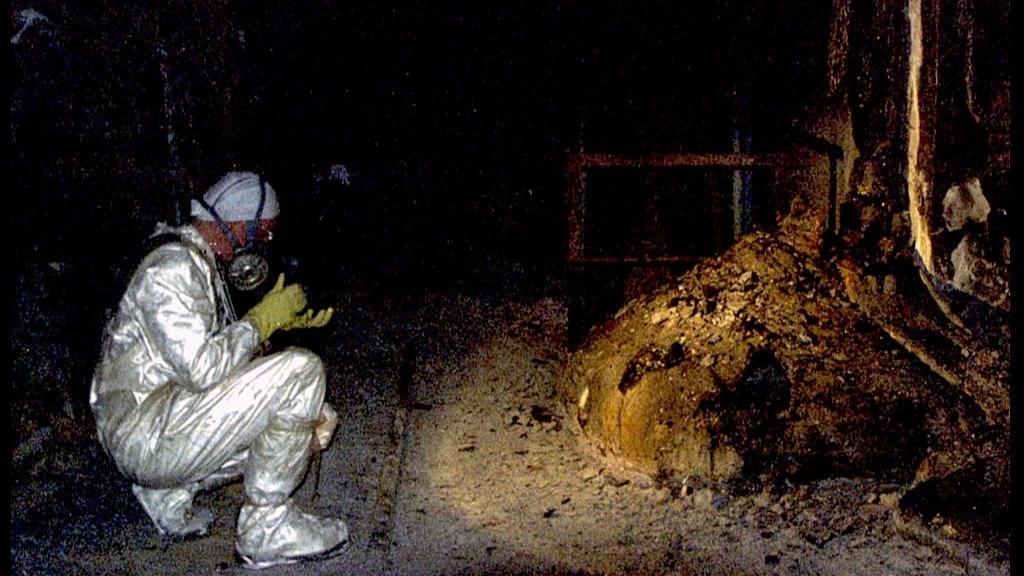
The substance has long been compared to lava due to the way it looks and there's even an infamous section of it, known as the Elephant's Foot.

It was first discovered by brave crews who entered the destroyed reactor months after the explosion, but they quickly headed in the other direction after measuring some of its data.
The highly radioactive lump was reportedly still searing hot months on, and when it was first measured, the Elephant’s Foot released nearly 10,000 roentgens per hour - which is equivalent to around four and a half million chest X-rays.
Science magazine Nautilus reports that just 30 seconds of exposure would have your cells haemorrhaging, and after four minutes, vomiting and diarrhea would follow.
Five minutes is likely to be enough to kill you, and considering that the surrounding area remains a ghost town due to the lasting effects that nuclear exposure can have, you'd be foolish to want to go anywhere near this.
 James Moorhouse