Antarctica has had just 11 people born there and there's a strange reason why

Most folks these days like to give birth in a hospital bed, a birthing pool or perhaps even the comfort of their own home.
However, it turns out that 11 people across history have given birth in the cold region of Antarctica, and they had a weirdly specific reason for doing so.
Now if you know your stuff, you might be wondering why someone might want to give birth in an area where there is no native population, no government and no citizenship whatsoever, since there appears to be no benefit in giving birth there other than maybe getting a baby used to the cold weather you might see in northern Britain.
What's even more peculiar is that the people who can claim to have been born in Antarctica weren't born to women from Scotland who were seeking a warmer climate to give birth.
Advert
In fact, every person who has ever been born there has been from one of two countries - Argentina and Chile.
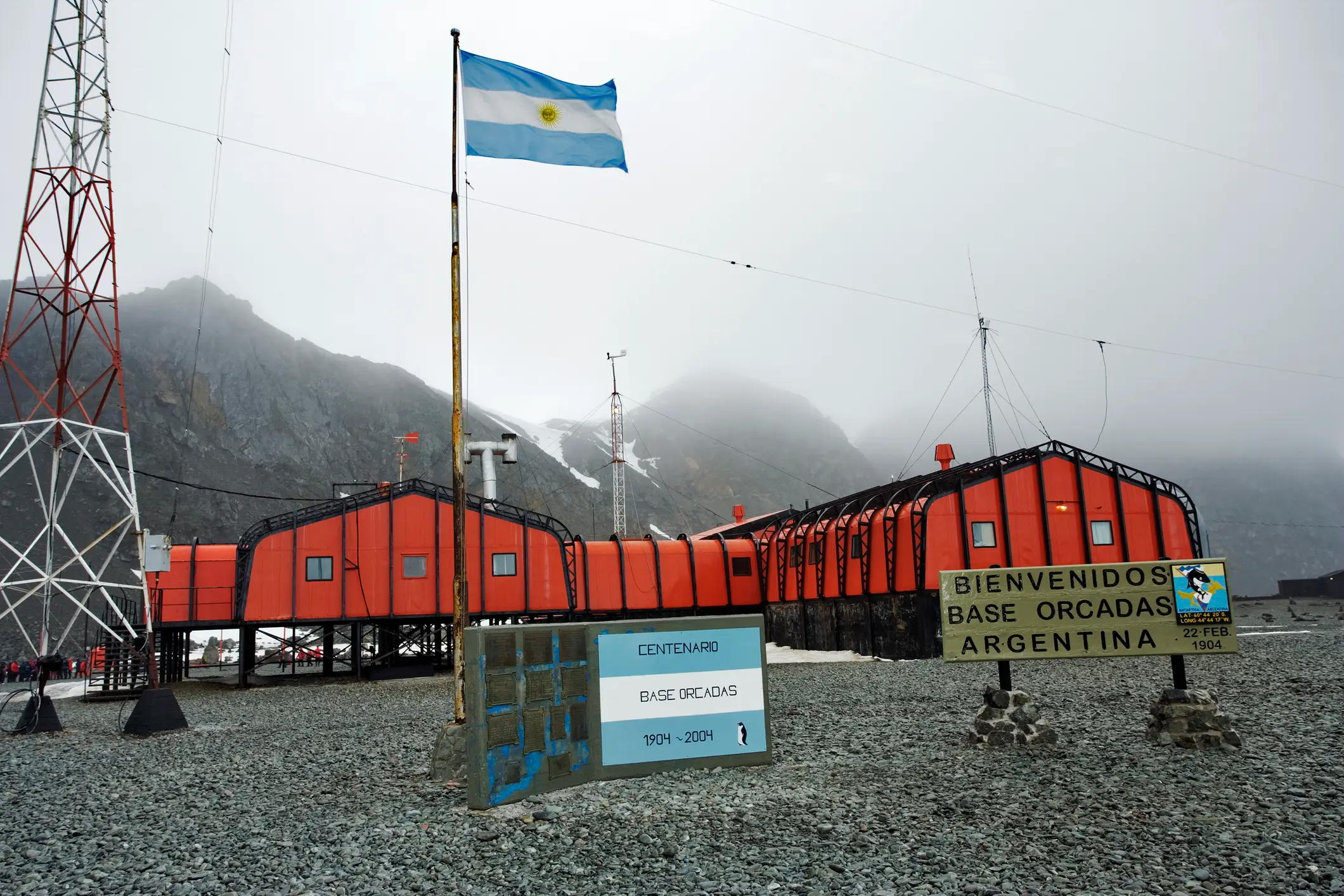
Other than scientists, explorers and the odd wealthy tourist, Antarctica is pretty much empty these days but in 1978, Emilio Marcos Palma made history as the first ever 'Antarctican' after his Argentine mother flew to her nation's Esperanza Base late in her pregnancy.
This was actually part of an Argentine initiative to strengthen its territorial presence in Antarctica, despite the continent being managed internationally through the Antarctic Treaty which had only been signed less than 20 years earlier in 1959.
But Argentina didn't stop at just one, as Marisa Delgado became the first woman to be born there just a few months after Emilio, and she remains proud of her Antarctic-Argentine heritage.
Although she returned to Buenos Aires as a baby, Delgado told The Press: “My memories aren’t of playing in the snow –- but it’s my story, it’s in my identity.”
Ruben Eduardo de Carli became the third a year later and a further five babies from Argentina were born there until Chile joined the party in 1984 as Pablo Camacho Martino was born at the Eduardo Frei Base.
Gisella Cortes Rojas followed weeks later before Ignacio Alfonso Miranda Lagunas arrived in early 1985, which was the last recorded birth in Antarctica, as the two South American countries decided against strengthening a seemingly non-existent hold on the region.
Since they were establishing family life at the research stations, it was hoped that Argentina and Chile would underscore their territorial claims, and while they remained committed for several years in some cases, but it seems as if these claims remain unrecognised by the rest of the world.
But that doesn't mean that they're not interesting and still worth talking about, as it came up as a talking point on The Rest is Science podcast, hosted by Professor Hannah Fry and science creator Michael Stevens (Vsauce), recently.
The professor, who is set to appear on the upcoming series of the Celebrity Traitors, left her co-host in shock when she revealed that as many as 11 people had been born there throughout history, and now you know exactly why.
 James Moorhouse