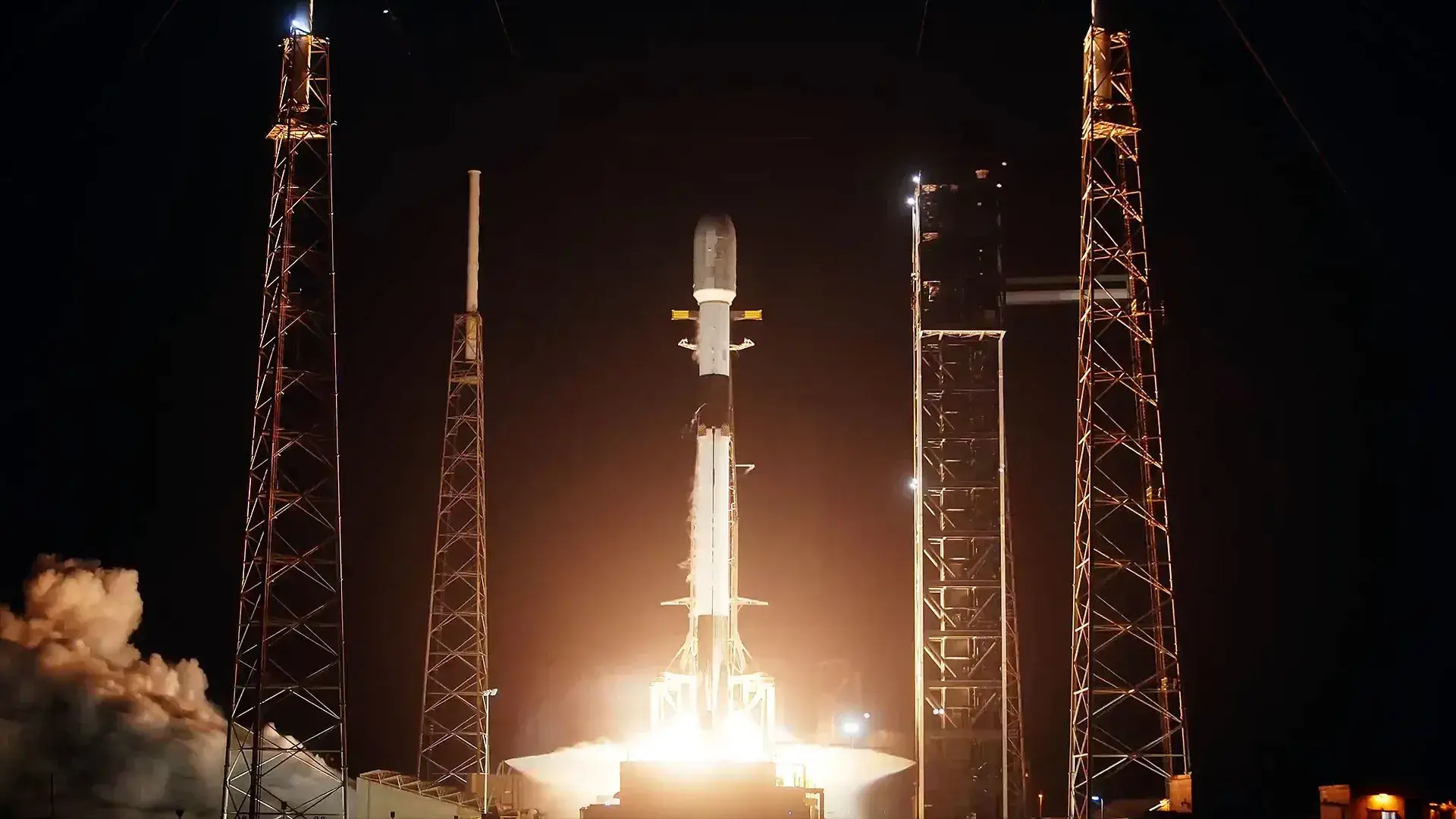
Elon Musk sparks fresh 'Kessler syndrome' fears as 29 satellites launched into space

Elon Musk's space company launched has 29 more satellites into the low Earth orbit (LEO), worsening fears on the dreaded Kessler syndrome theory.
Billionaire-owned SpaceX loaded the Starlink satellites, used to provide broadband internet all over the world, onto Falcon 9 rocket, which launched from Florida in the early hours of this morning (15 December).
Starlink has been revolutionary in providing internet in hard-to-reach pockets of the Earth, where signal would previously have been impossible, but the technology comes at a price.
Earlier this year, it was reported that Musk's satellites were beginning to fall back towards Earth at an alarming rate, with as many as four satellites plummeting back down to our planet each day, according to space trackers.
Advert
Worrying videos showed the moment debris from the Starlink devices landed in California, and concern for the safety of the satellite constellations continues to grow as 29 new satellites will soon be in orbit.
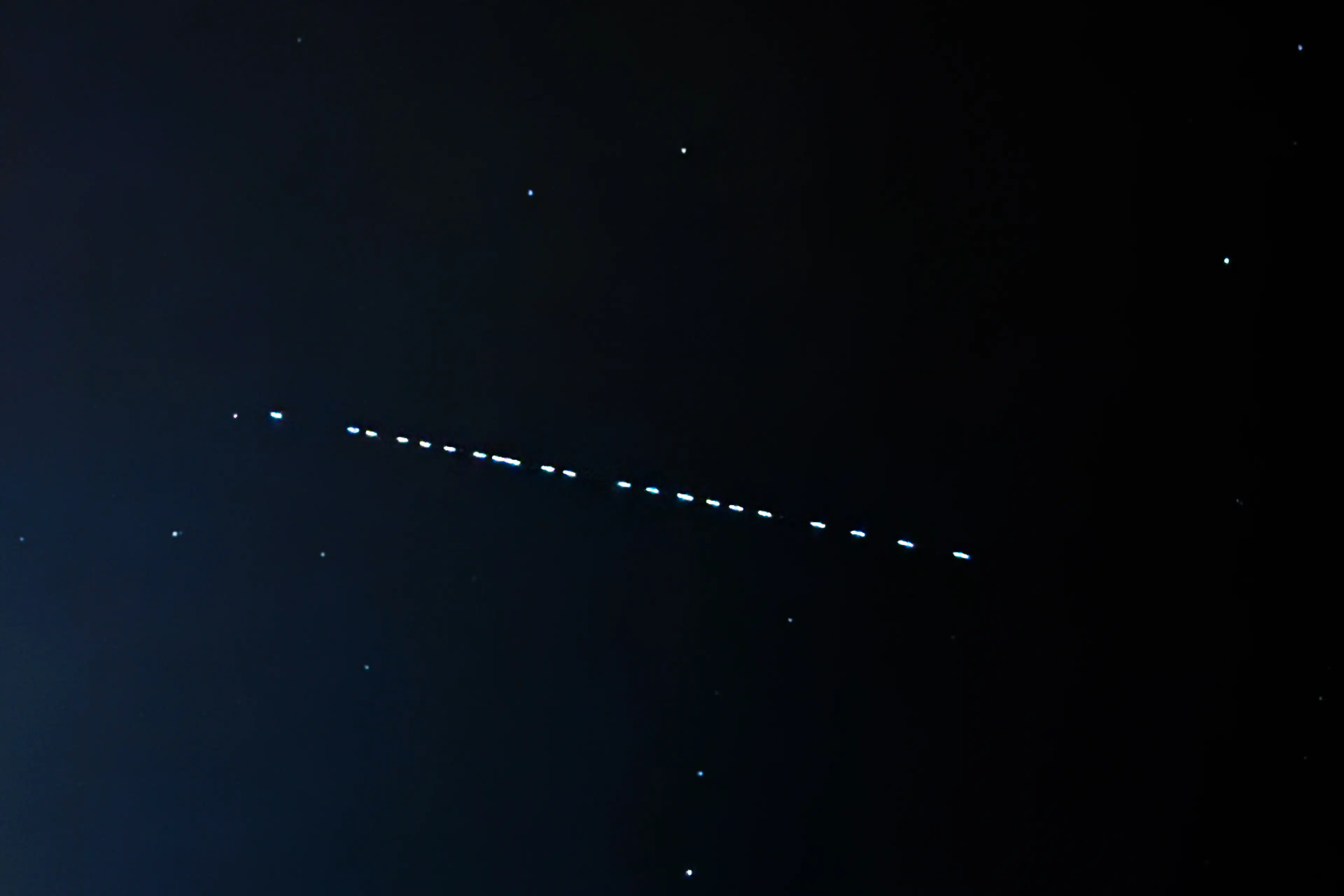
There are currently nearly 9,000 Sarlink satellites orbiting Earth, making up nearly three quarters of the estimated 12,000 working satellites currently in LEO and nearly half of the estimated total 20,000 objects.
Meanwhile, Musk plans to increase the number of Starlink satellites to 40,000, which could potentially lead to huge overcrowding in the space ranging from 100 miles to 1,200 miles from Earth.
What is the Kessler syndrome theory?
The Kessler syndrome theory was thought up by NASA scientists Donald Kessler and Burton Cour-Palais back in 1978, and follows the idea that objects orbiting Earth in close proximity to the planet will become so crowded that a chain reaction of collisions could begin.
And from there, it might not stop, destroying satellites essential to maintaining humanity as we know it - from crop production and internet connections to international travel and phone calls.
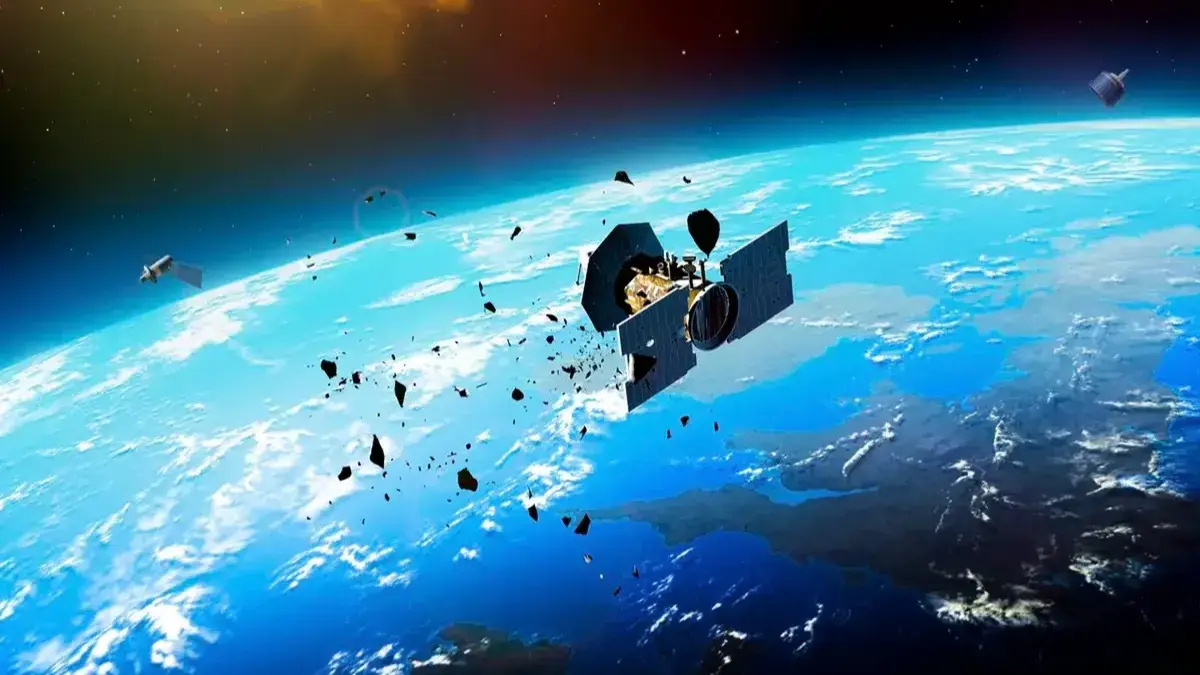
In the worst-case scenario, the area of space described as low Earth orbit will then become uninhabitable by new satellites due to the rings of debris whizzing around the planet.
"Spent rockets, satellites and other space trash have accumulated in orbit increasing the likelihood of collision with other debris," NASA has explained.
Meanwhile, one planetary scientist, Vishnu Reddy, who works as a professor at the University of Arizona in Tuscon, has recently issued his own warning.
"The number of objects in space that we have launched in the last four years has increased exponentially," he said.
"We are heading towards the situation that we are always dreading."
Topics: Science, Space, SpaceX, Elon Musk, Technology
 Emma Rosemurgey