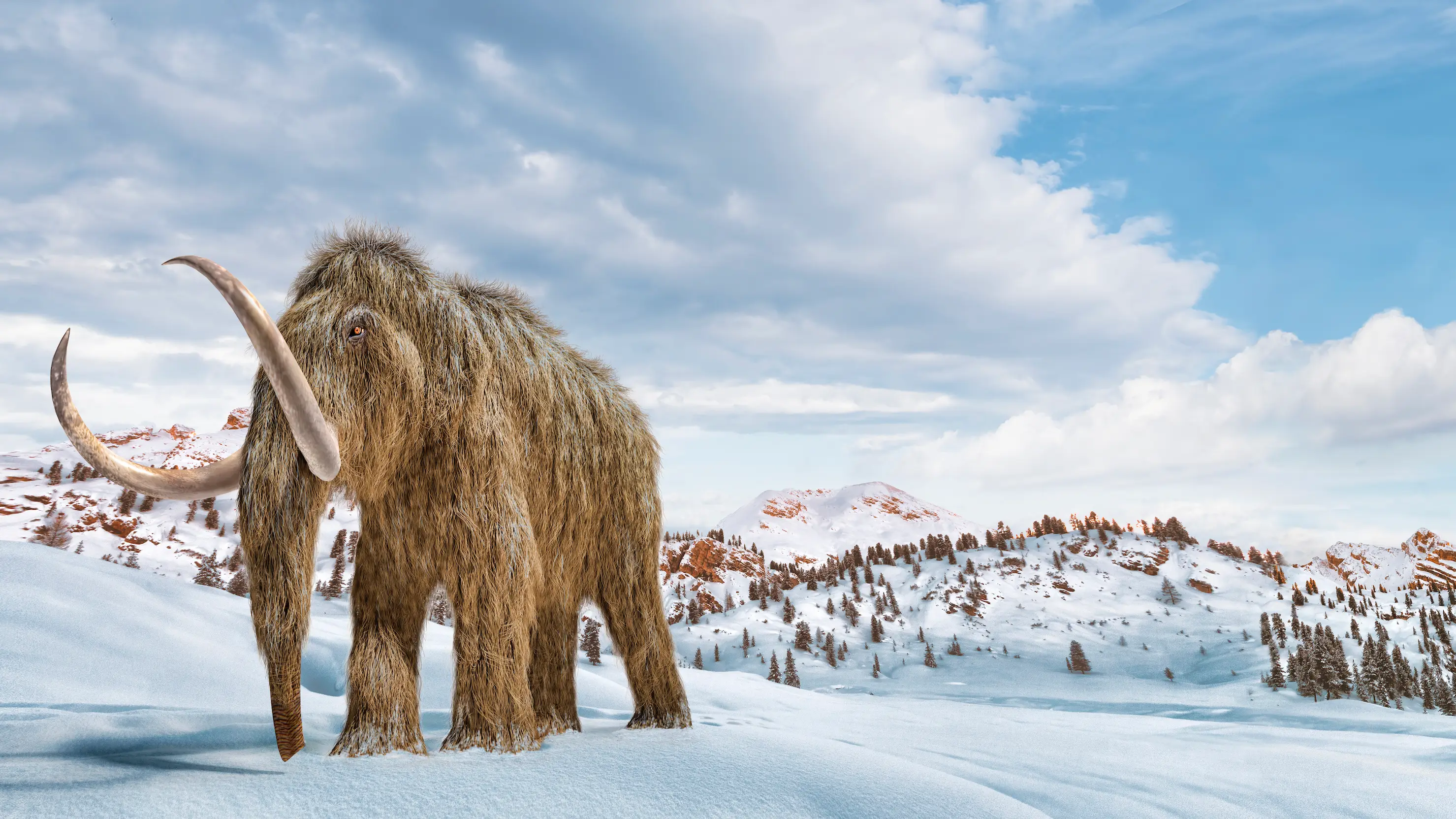
Woolly mammoths could be brought back to life as scientists make huge breakthrough

A major scientific breakthrough has been made in understanding woolly mammoths thanks to the body of one of the extinct animals from 40,000 years ago.
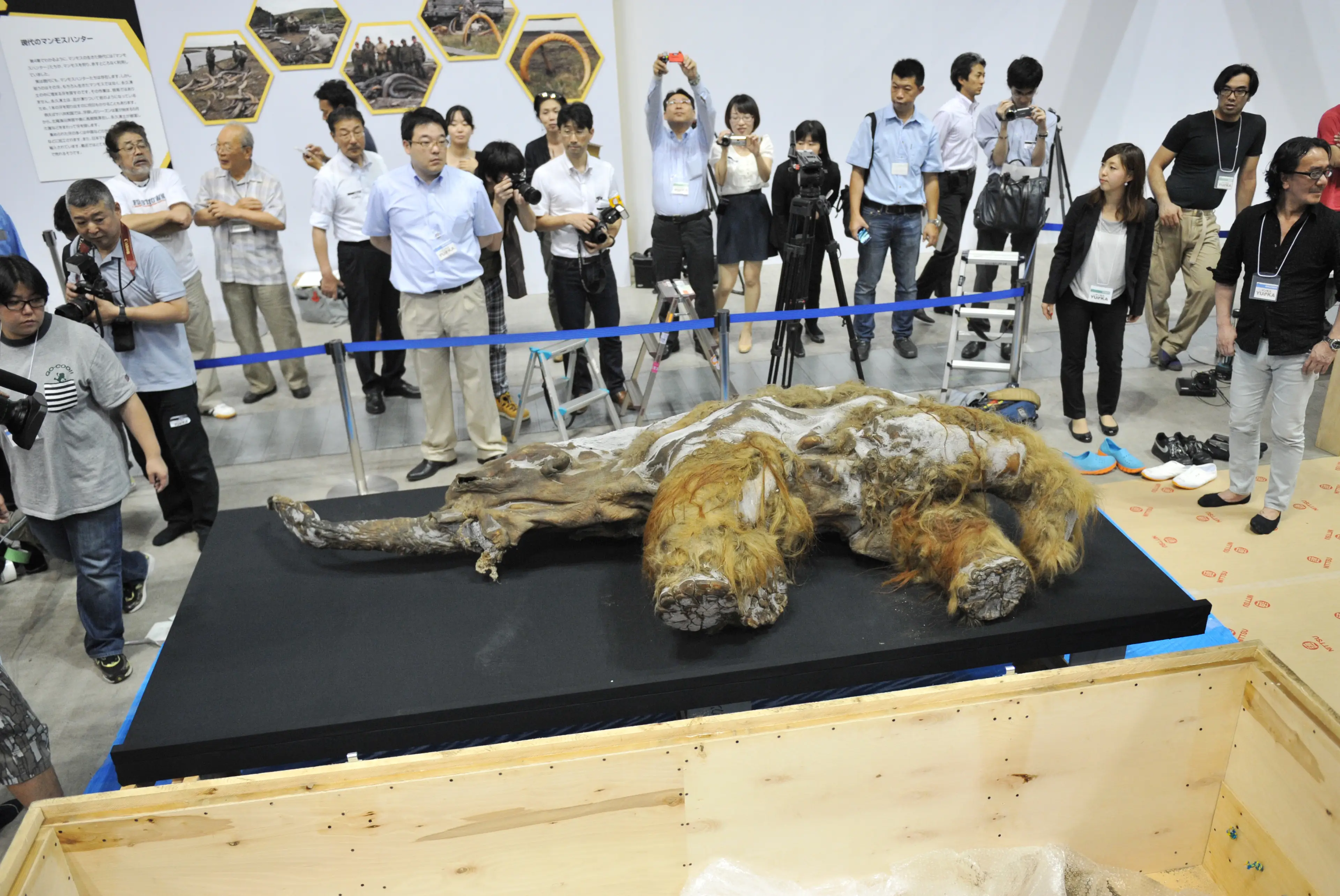
The frozen corpse of a young woolly mammoth was discovered in 2010 by Siberian hunters out near Yukagir, with the long-dead animal nicknamed 'Yuka' after the place it was found near.
Patches of fur remained on the animal carcass, which still had its trunk attached and an intact brain, and Yuka's body has produced another important factor in working out the biology of woolly mammoths, traces of ribonucleic acid (RNA).
It's similar to DNA but it normally deteriorates shortly after death, and to find traces of it on an animal that has been dead for 40,000 years is quite the stroke of good fortune.
Advert
For decades scientists have been studying material from ancient mammoth corpses, but Yuka has provided the oldest ever RNA and new studies help paint more of a picture.
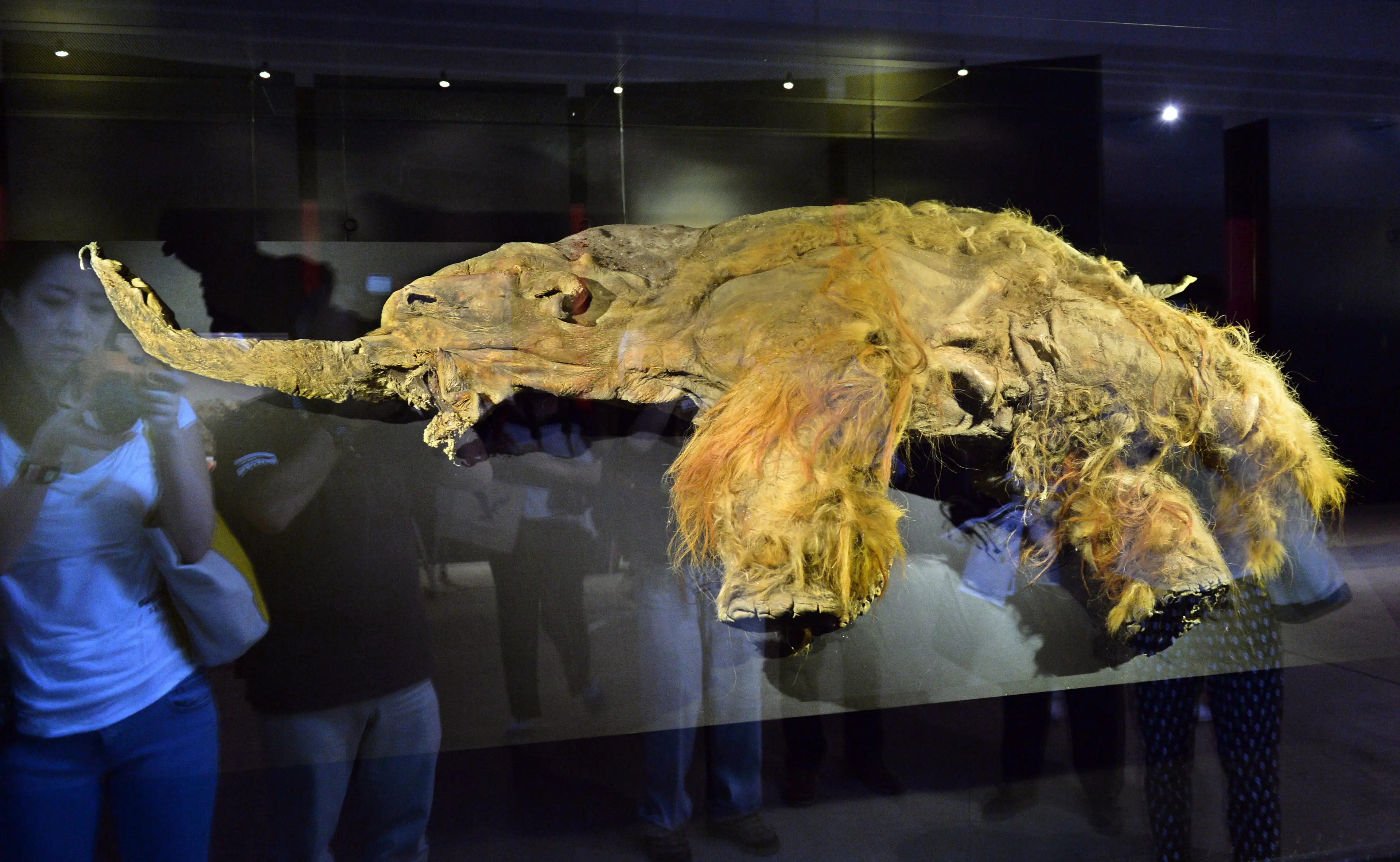
Previous research has highlighted how similar the woolly mammoth and elephant are in their genetic makeup, though you might have guessed that from their size, shape, tusks and trunk.
As for what this means on bringing the woolly mammoth back from extinction, different scientists have different views on the subject.
Study co-author Love Dalén of Stockholm University said the RNA discovery wouldn't do much since it was involved in muscle development, which they already know is similar to that of elephants so these are building blocks of the woolly mammoth we already had a good idea about.
However, National Geographic reports that evolutionary biologist Beth Shapiro of biotechnology Colossal, which is attempting to bring the extinct animals back, suggested this find could end up helping to bring them back anyway.
She said: "In the future, we should be able to use this approach to explore how gene expression differs between extinct and living species."
Every little helps.
As for what the RNA tells us about Yuka, it says quite a lot about the woolly mammoth and the animal's last moments of life.
Dalén said: "Ancient RNA gives us a snapshot of which genes are turned on or being active in a certain tissue.
"That is something that we could never see in the DNA alone."
The information they found told them that Yuka was a relatively healthy male, but the moments right before the little mammoth's death were 'pretty stressful' and the feeling of that animal from millennia ago is something the scientists were able to pick up on a long time later.
Scientists have speculated that Yuka may have been attacked by cave lions and fallen into water while attempting to escape.
 Joe Harker