Billionaire donates $200,000 to Ukrainian athlete banned from Winter Olympics

After a Ukrainian skeleton racer was banned from the Winter Olympics following his controversial helmet, a billionaire has stepped him to donate more than $200,000 to the athlete.
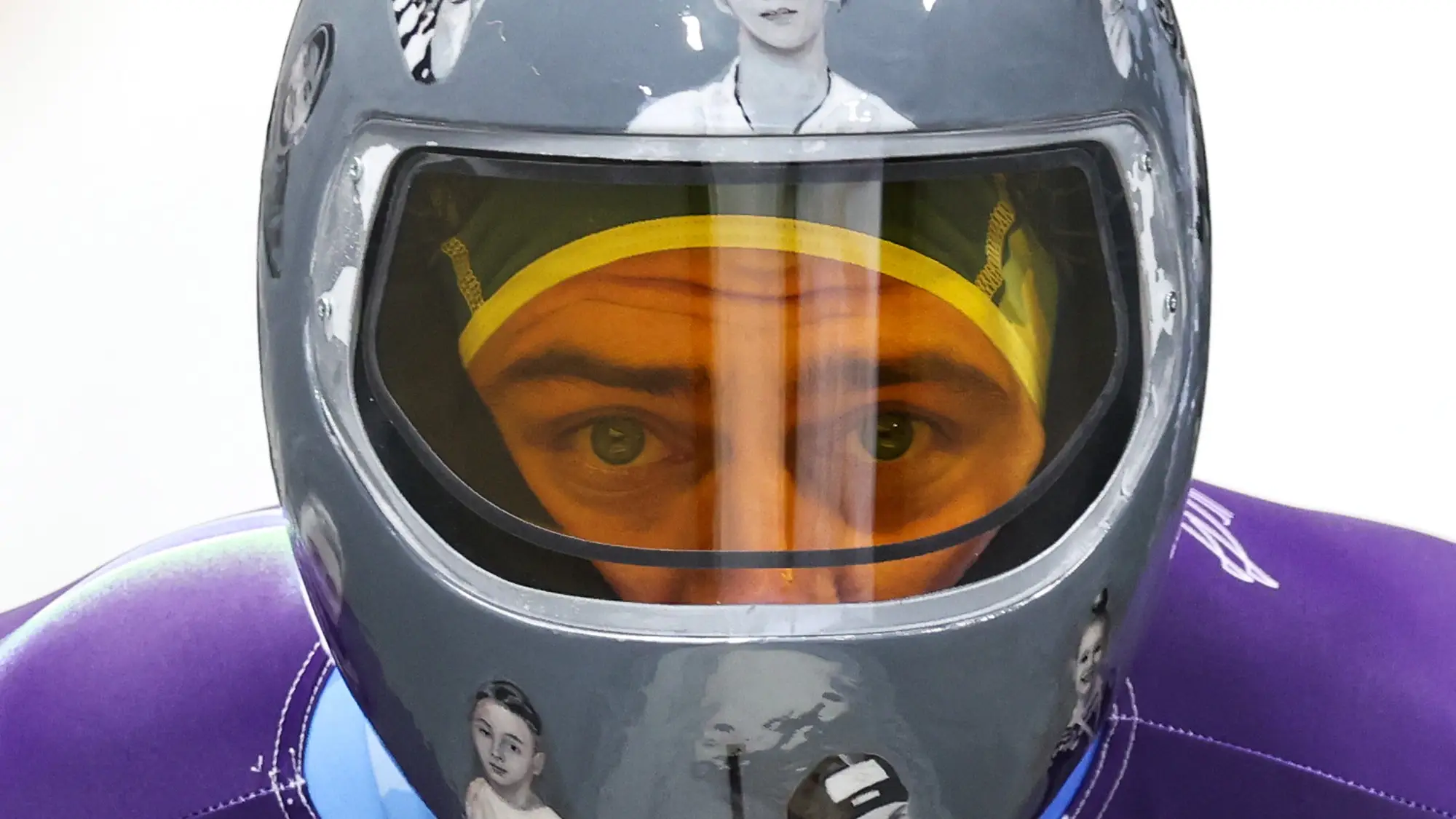
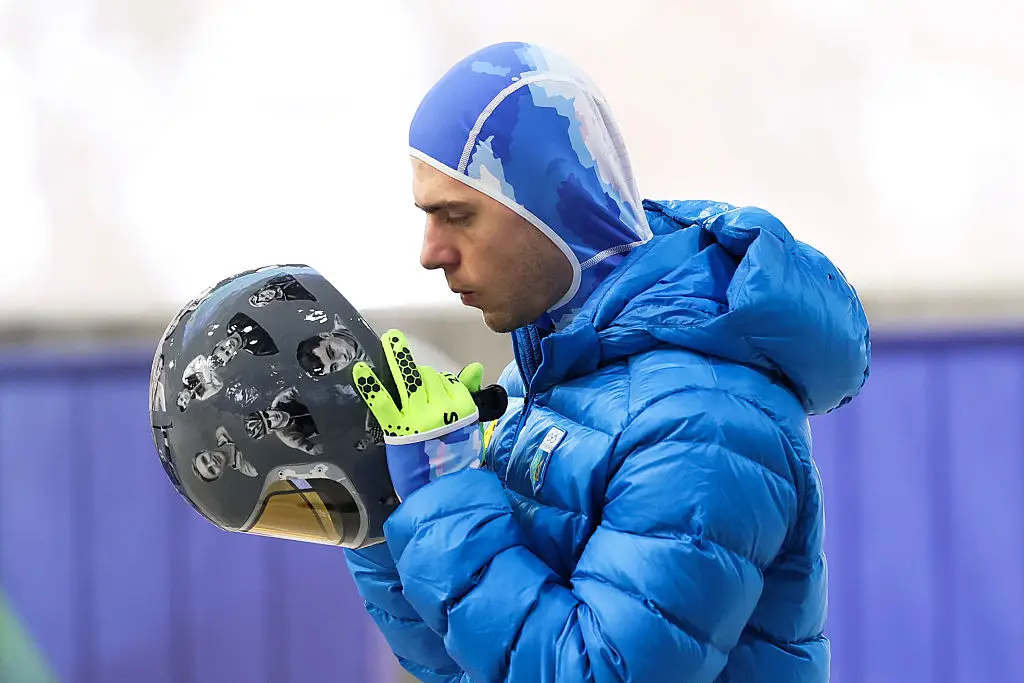
Skeleton racer Vladyslav Heraskevych said he wanted to 'honour' Ukrainian sportsmen and women who had died in the Russian invasion of their home country – to do this, he had his helmet created with images of the fallen.
However, this 'helmet of remembrance' that saw the likes of the late teenage weightlifter Alina Perehudova, boxer Pavlo Ischenko, ice hockey player Oleksiy Loginov, actor and athlete Ivan Kononenko, diver and coach Mykyta Kozubenko, shooter Oleksiy Habarov and dancer Daria Kurdel, and more, caused a stir.
The International Olympic Committee (IOC) went on to ban the 27-year-old from the 2026 Winter Olympics when he refused to take it off on the grounds that he did not ‘comply with the IOC’s Guidelines on Athlete Expression’.
Advert
The athlete then tried to appeal against the International Bobsleigh and Skeleton Federation jury’s rule that he had breached athletes’ expression at the Games.
However, he lost his case at the Court of Arbitration for Sport just hours before the final two runs of his competition.
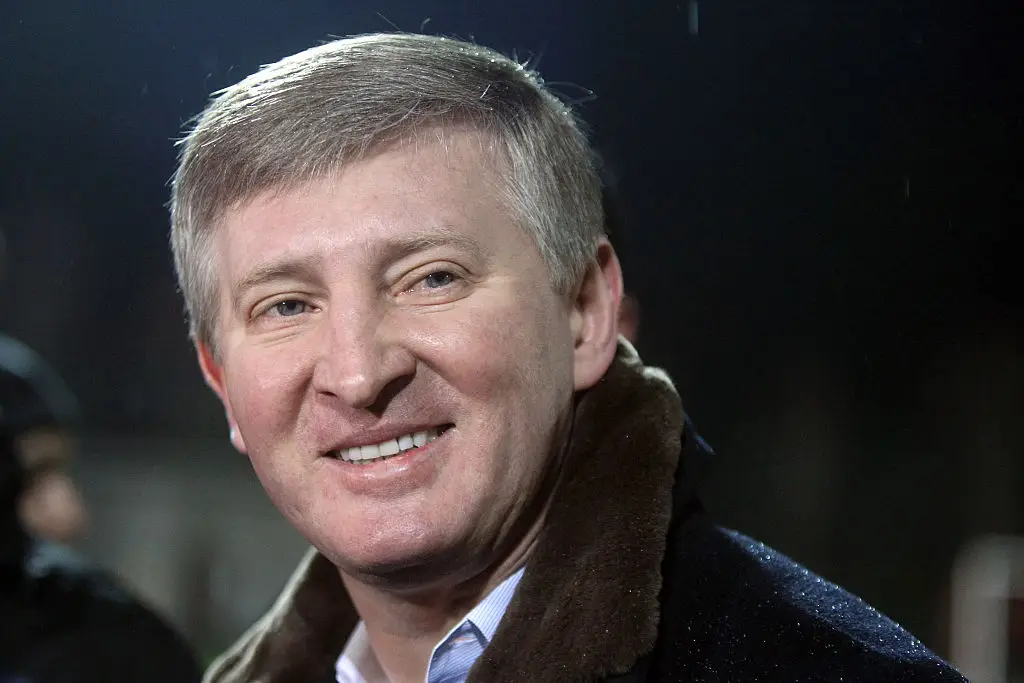
In light of the decision, a billionaire, and owner of the Ukrainian football club, Shakhtar Donetsk, has donated more than $200,000 (£148,590) to Heraskevych.
“Vlad Heraskevych was denied the opportunity to compete for victory at the Olympic Games, yet he returns to Ukraine a true winner,” Rinat Akhmetov, the club’s president, said in a club statement.
“The respect and pride he has earned among Ukrainians through his actions are the highest reward. At the same time, I want him to have enough energy and resources to continue his sporting career, as well as to fight for truth, freedom and the remembrance of those who gave their lives for Ukraine.”
The money he donated is equivalent to that Ukraine pays athletes who win a gold medal, which is in stark contrast to Singapore, who pays Gold medallists over 500k.
When it came to the decision to ban him, IOC spokesperson Mark Adams told a news conference in Milan-Cortina that the helmet was against Rule 50.2 of the Olympic Charter.
The rule states there shall be 'no kind of demonstration or political, religious or racial propaganda is permitted in any Olympic sites, venues or other areas'.
“The IOC fully understands the desire of athletes to remember friends and colleagues who have lost their lives in that conflict, and in many, many other difficult conflicts around the world,” Adams said on Tuesday (10 February).
“It's fundamental that there are equal rights for all athletes and that the games need to be separated not just from political and religious, but from all types of interference so that all the athletes competing can concentrate on their performance. What we said is that this helmet contravenes the guidelines.
"But that being said, after the meeting, we also reiterated once again that we will in this case, as we do now more often, make an exception to the guidelines to allow him to wear a black armband during competition.”
Topics: Ukraine, Russia, Olympics, Winter Olympics
 Britt Jones