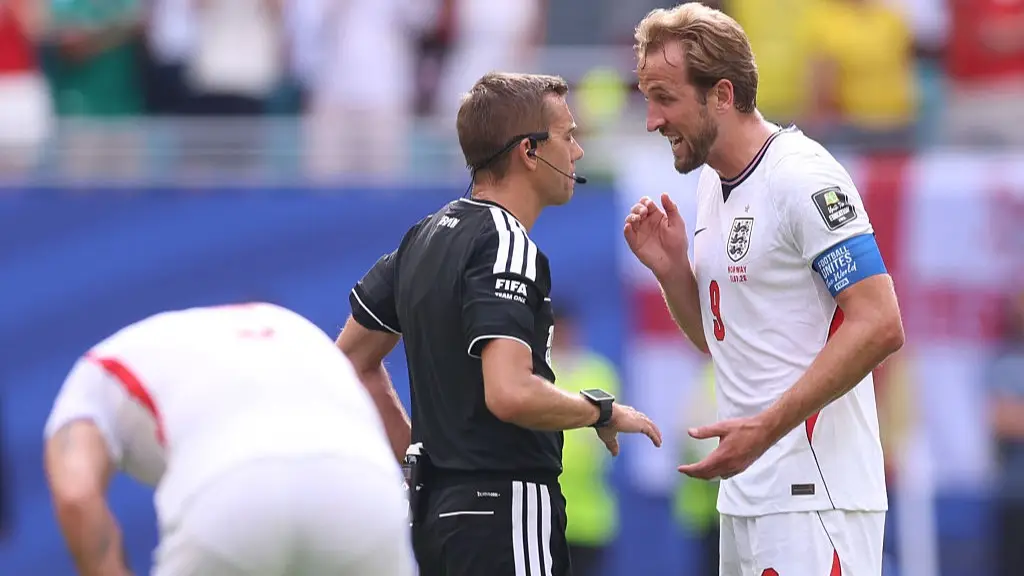
New evidence shows England right to be given goal against Norway despite claims it ‘should’ve been disallowed’

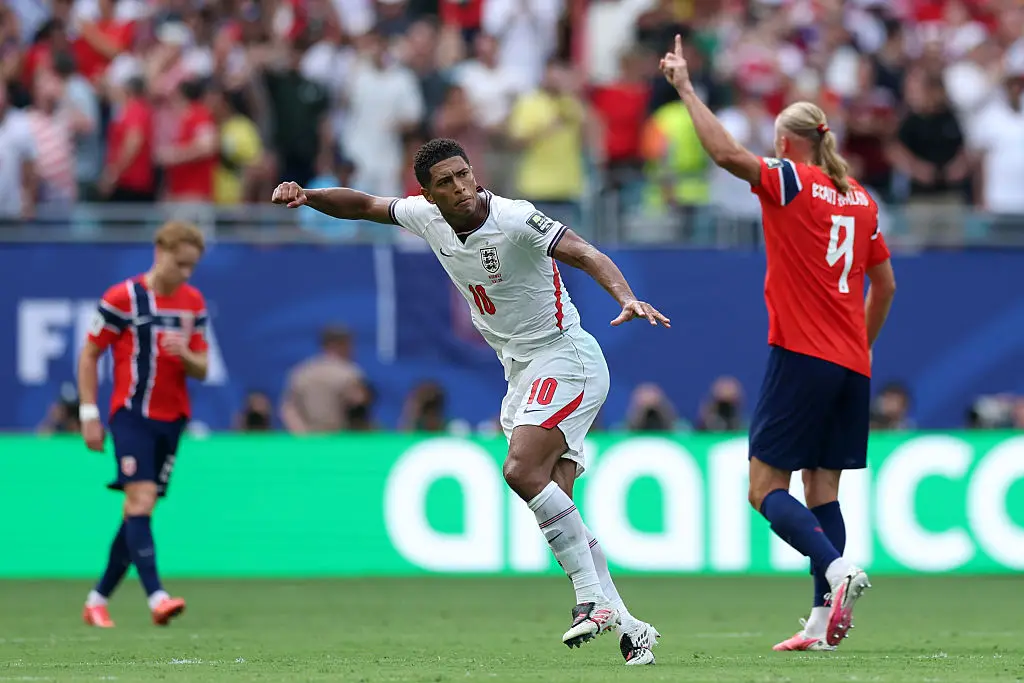
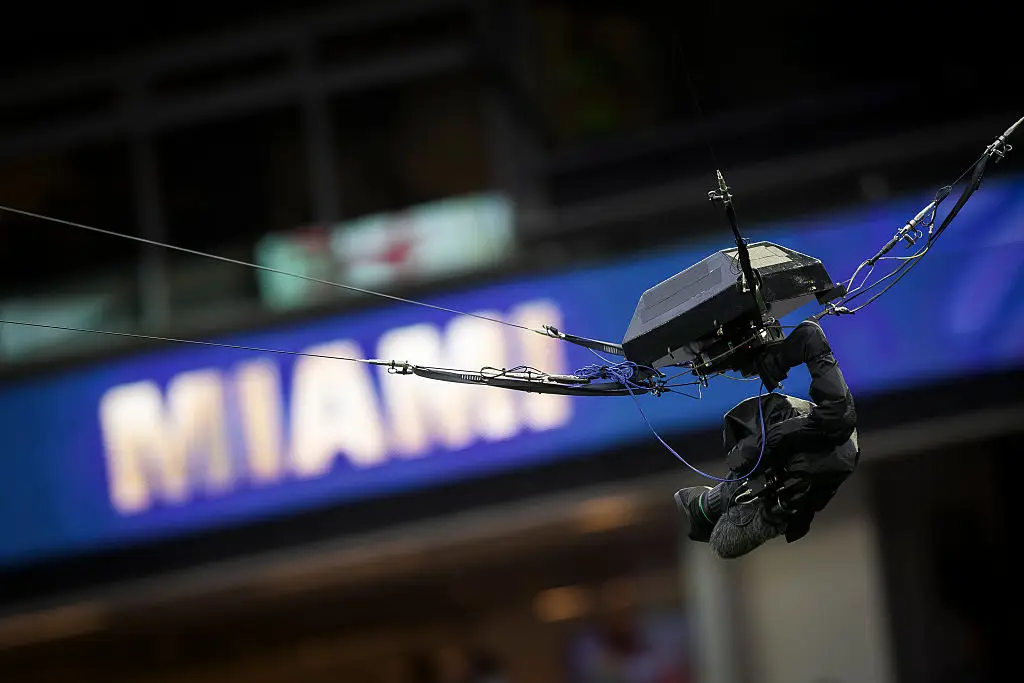
The aftermath of England's quarter-final win against Norway has been dominated by one argument: did the ball hit a wire holding up a spidercam during the lead-up to Jude Bellingham's equalising goal?
Well, it depends on who you ask. It's a yes, if you were to ask the Norwegian camp, with the likes of Ørjan Nyland, Erling Haaland and manager Ståle Solbakken all seen pointing upwards after Bellingham converted Anthony Gordon's pass into a goal.
Former Premier League referee Mark Clattenburg also agreed, telling Fox News that it should've been checked over by VAR.
But fear not, as a new angle has confirmed that the ball did not make contact with the wire before landing at the feet of Elliot Anderson.
Advert
FIFA has now revealed that it has various angles of the incident and concluded that the ball did not make contact with the wire of the spidercam.
Sharing its findings on X, FIFA wrote: "Before England’s goal in minute 45+2 against Norway, the sensor in the Connected Ball showed no peak in the 'heartbeat of the ball' when in the air, and therefore no evidence that the ball touched the overhead wire and changed the movement of the ball."
The post was accompanied by a clip which shows the ball in midair alongside an impact graph, which reveals there was no spike or change in rotation.
Watch the clip below:
Meanwhile, footage reviewed by The Daily Mail Sport supported this conclusion, writing that video taken from the spidercam itself showed no 'wobble' in the footage, meaning it is unlikely that contact was made.
Unfortunately, they say that a lie can get halfway around the world before the truth has its shoes on and there's been an awful lot of chatter from World Cup fans who've seized upon the idea that some conspiracy was afoot.
Various videos claiming to show the ball changed trajectory, 3D renderings and all other manner of 'evidence' were put forwards to little effect beyond appearing to show many engaging in a sort of mass delusion.
For many football fans FIFA's explanations aren't exactly reliable, particularly after certain uneven officiating in some games and that whole business with a red card getting overturned.
The reputation of the World Cup's governing body is not high and their declaration that there was nothing to see in the case of England vs Norway wasn't warmly accepted by everyone, certainly not those who'd marched themselves to the top of the hill over this issue and didn't want to look foolish by marching down again.
Still, a broken clock can be right twice a day and there's nothing that points towards the ball hitting a cable holding up the spidercam.
Had that been the case then the correct action would have been a drop ball in England's favour, but since there was no evidence of contact the run of play was fine to continue and England's first goal was fine to stand.
The incident has still cast a cloud over the World Cup as fans are picking over every refereeing decision for signs of fault and corruption, which could be a problem when England play Argentina in the semi finals on Wednesday (15 July).
Additional words by Joe Harker.
Topics: Sport, Football, World Cup, Jude Bellingham
 Brenna Cooper