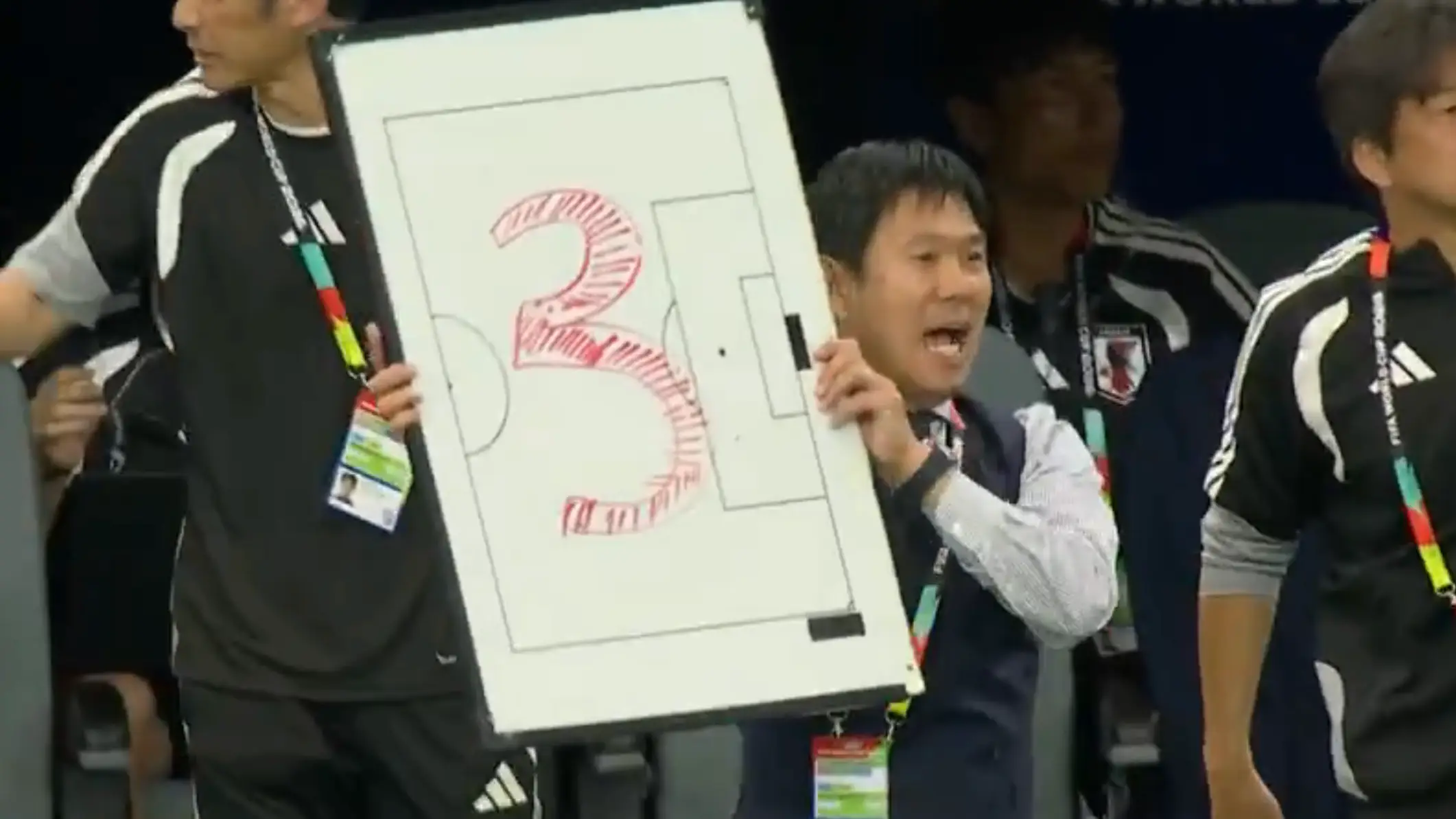
Japan's bizarre whiteboard tactic explained as team manage to score last minute equaliser

The game between the Netherlands and Japan was one of the best we've seen thus far at the World Cup, or at least the second half of it was.
There is a huge amount of football yet to be played and plenty more sporting treats fans have in store, but after a goalless first half the Dutch and Japanese both scored twice in dramatic scenes.
It was the Netherlands who went ahead both times with goals from Van Dijk and Summerville before Japan reeled them in thanks to the efforts of Nakamura and Kamada.
Japan had to hang on for several minutes of added time at the end of the game and their coaches had a novel way of keeping the players updated on how long they had to hold on for.
Advert
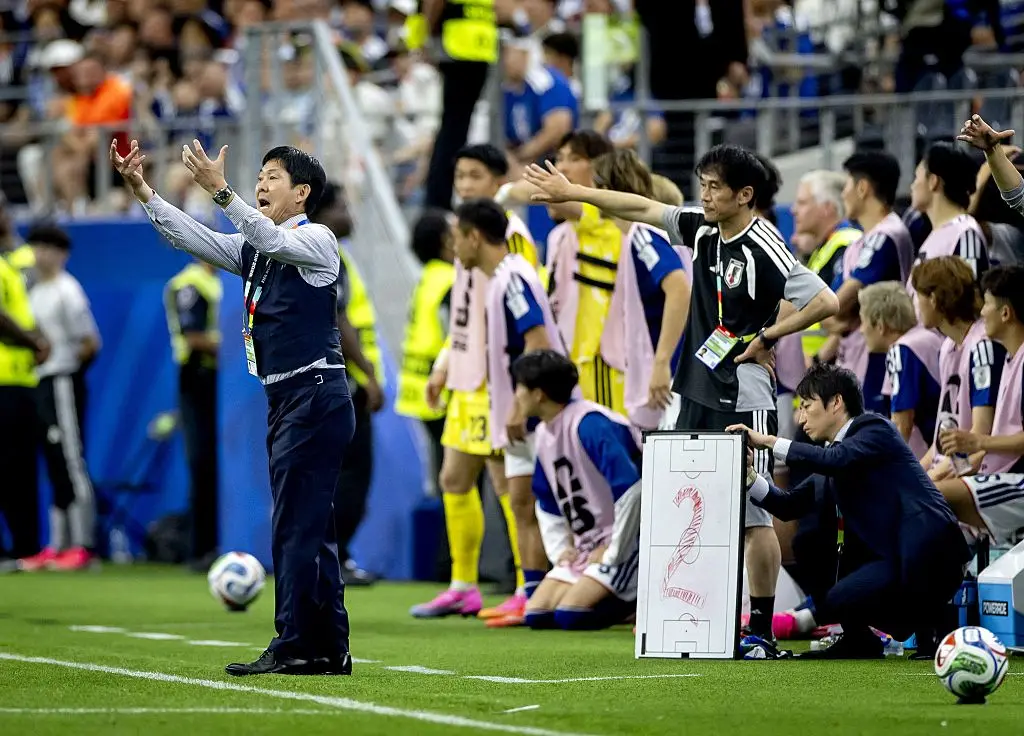
National team manager Hajime Moriyasu and his coaching staff held up whiteboards with numbers on them counting down how long there was to go.
He'd also counted down his team at the end of the first half, so it looks like a tactic Japan are deploying to give their players the best idea of how long they've got to go.
Many stadiums will have clocks showing how long the game has been going on but when you're a player on the pitch you presumably don't want the distraction.
You'll know roughly how much time your have left, but if you see your manager holding up a board with the number three on it then you'll know a group stage point is within your grasp if you can just hold on for that many minutes.
Discussing the game afterwards for ITV, former Spurs manager Ange Postecoglou seemed to be a fan of the approach, saying: "I guess their timekeeping is good. Fantastic. I just wish they had something that said, ‘[be] brave’ and play more to their capabilities.
"They should be really happy with the 2-2. I know the capabilities they have. They can win these games by playing with a little bit more character."
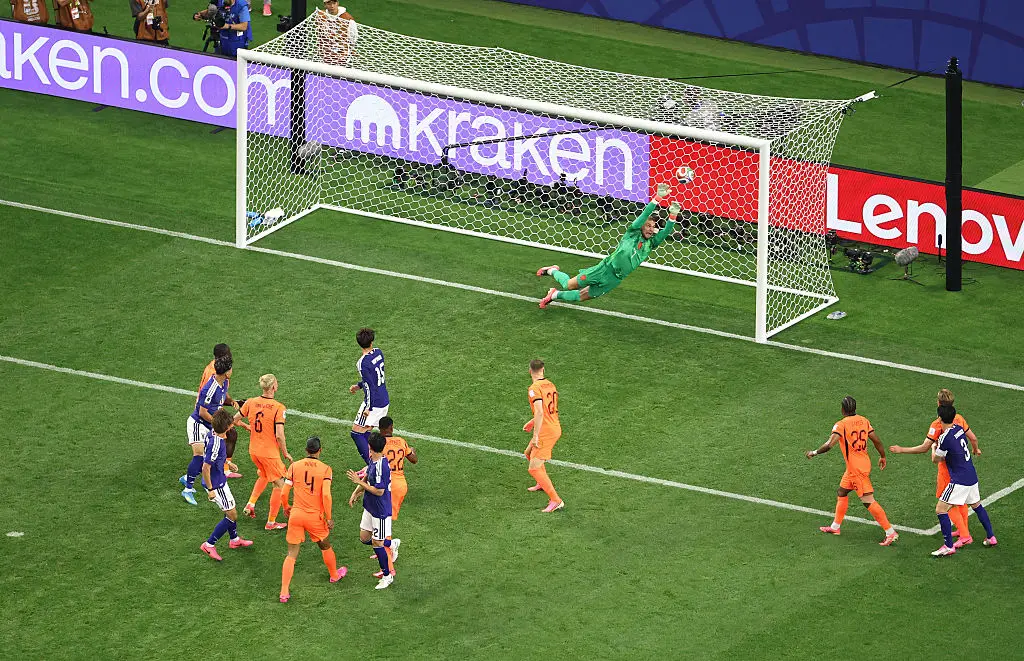
Perhaps the players don't need to be told to be brave, and their performance to come from behind twice to draw with the Netherlands shows they're going to do their best to be a 'dark horse' in the competition.
Frankly, with the World Cup expanded to 48 teams and many that come third in their group going through to a knockout round there's quite a lot of countries with the 'dark horse' tag attached to them.
Both Japan and the Netherlands have had the tag attached to them, though it can be hard to know whether the label has much value at all.
Turkey always gets labelled a dark horse for international competitions but in their opening game they lost 2-0 to Australia, so who knows?
What is the new World Cup substitution rule?
If a player is substituted, they have just 10 seconds to leave the field at the nearest point of exit.
If they fail to do it within the timeframe, the substitute must wait until the first stoppage after one minute has elapsed, meaning the team must temporarily continue with 10 players.
What has not changed:
- Teams still get five substitutions during regular playing time
- They still get an additional substitution in extra time
- The limit of three substitution windows during regular time remains in place
 Joe Harker