FIFA weather delay rules as fears for fans staying up to watch England 1am Mexico clash with work tomorrow

If it's not altitude, then it's the weather that is dominating conversation ahead of England against Mexico.
The epic World Cup encounter at the iconic Azteca has already been a dramatic affair before it has even kicked-off.
With FIFA proposing to move the game forward by six hours due to safety concerns and Mexico fans doing their best to keep England up all night before the game.
It's still not even clear if the match will get underway at its scheduled 6pm kick-off time, or 1am in the UK.
Advert
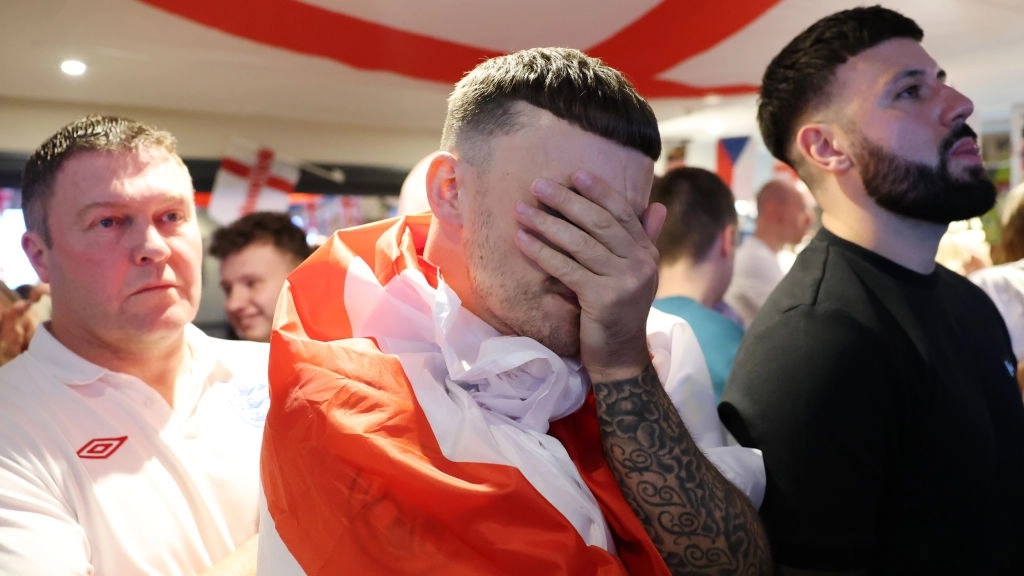
England fans back home already have a tough assignment to stay up throughout the night to cheer on the Three Lions before heading to work or school on Monday, but it could get even more challenging if the game is delayed.
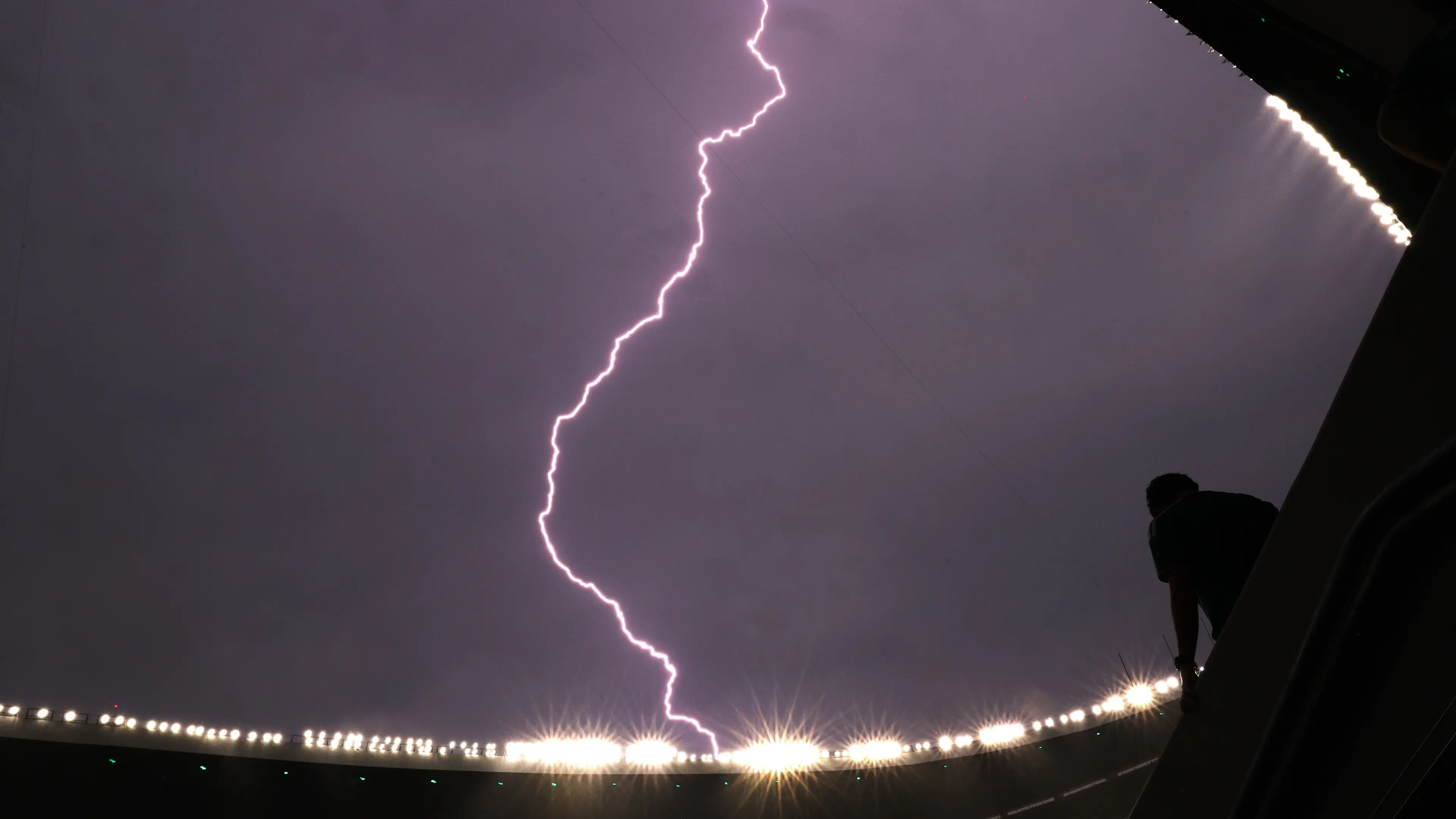
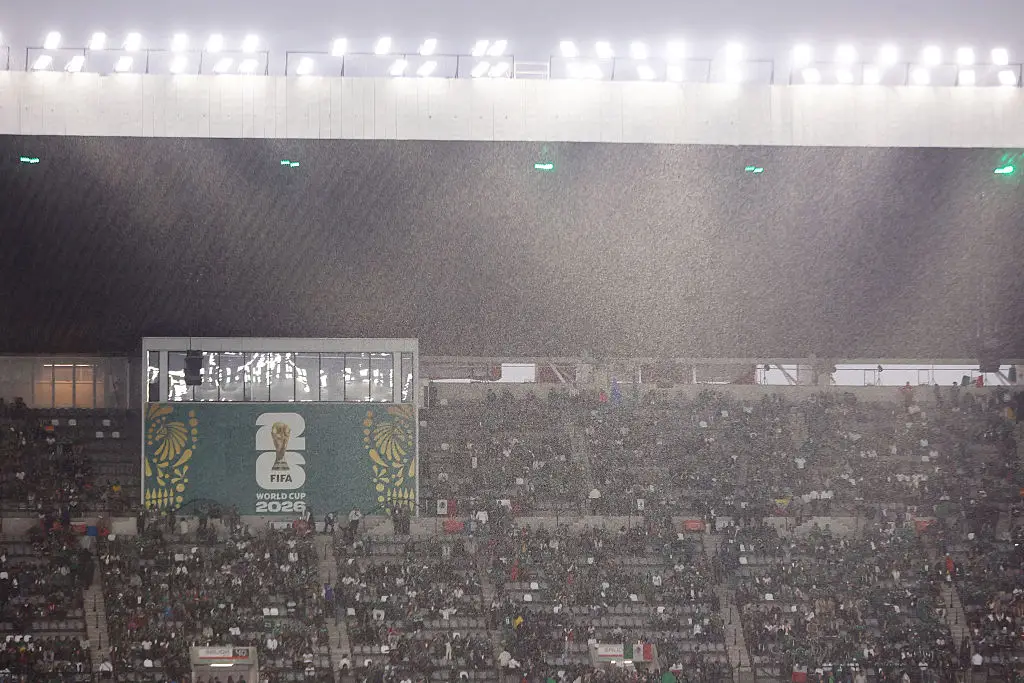
With thunderstorms and monsoon style rain forecast for hours ahead of kick-off - though thankfully, it is predicted it'll die down during the match - significant delays are becoming increasingly likely.
Here's what you need to know about the rules.
FIFA 30-minute weather rule explained
FIFA introduced the safety protocol to the World Cup this summer, taking it from the rules that were already in place around sporting events in the USA.
If lightning or electrical activity is detected with an eight-mile radius of an open-roofed stadium, the event must be suspended for a minimum of 30 minutes. This is mandatory and not optional.
If no further lightning strikes in that period, the game can resume once the players are ready, usually after a 15-minute warm-up. However, if electrical activity is detected before the time has elapsed, the clock will restart once more.
Additionally, play will be halted again if lightning is spotted within the radius at any point, even if play has only just restarted.
If lightning is detected before the match starts, then the game will be delayed until the 30-minute buffer period has been completed.
There is no limit for how long a game could be delayed, with it being at the referee and officials' discretion as to whether a game is abandoned completely.
During electrical activity, entry into the stadium could be delayed. If supporters are already inside stadiums when the activity is detected, they will be told to leave their seats in the open bowl and seek shelter in designated safe zones in the concourse.
All staff will also leave outside areas and players will not take to the pitch, instead remaining in their changing rooms.
England have already felt first hand how the rules can impact game, as their pre-tournament warm-up match against Costa Rica on 10 June was delayed by an hour after a thunderstorm hit Florida.
Several World Cup games have been delayed, too. Both before kick-off and during the 90 minutes itself. Though some matches have concluded hours later than they should have, none have been rescheduled yet.
Heavy rain can also cause delays, with Mexico's last 32 tie with Ecuador being put back by an hour on July 1 due to a torrential downpour.
How would UK pubs react to lengthy World Cup delays?
European fans have had it lucky in recent iterations of the World Cup, with kick-off times all coming during the day. Things look a lot different this time around, though, with multiple timezones in the Americas all being several hours behind.
As a result, the majority of games have kick-offed very late in the day, or early depending on how you look at it, meaning delays can stretch matches well beyond normal pub opening times.
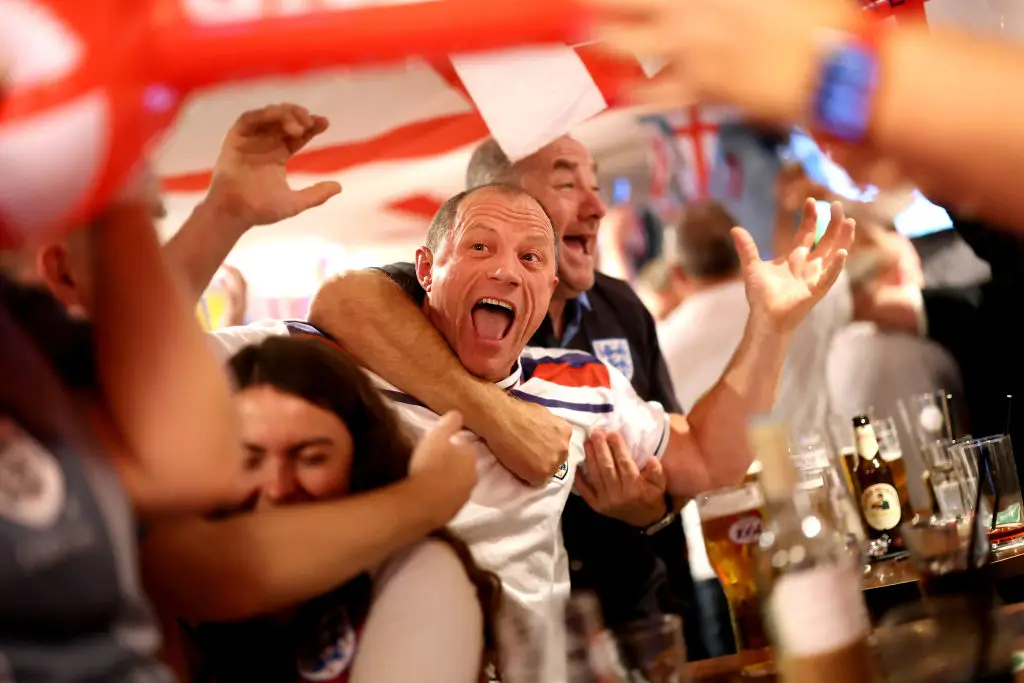
The UK have relaxed licensing laws during the tournament so pubs can stay open later for games and have done so even further for the Mexico game, with special permission being given for pubs to stay open until 5am.
However, a delay to kick-off and possible extra-time and penalties could see the match go perilously close to the 5am deadline. That could lead to the awkward moment of pubs having to close their doors while the game has yet to finish.
This year, there’s been a whole host of rule changes, many of which are designed to speed up the game and penalise players who drag things out. Some of the new regulations are likely to prove controversial.
10-second substitution
Subbed players now have to get a move on and leave the pitch within ten seconds by the nearest exit point. If they haven’t, their replacement will get held up by one minute until the next stoppage of play, and until then, their side will have to play with 10 men.
5-second throw-ins and goal kicks
If a referee thinks a player is taking too long for a throw-in or goal kick, they’ll start a five-second countdown, by which time the ball needs to be back in play. If it’s not, for throw-ins the opposing team will get their own throw-in, or for a goal kick the other side gets a corner.
Injured players to remain off the pitch for one minute
An injured player treated by medical staff off-field has to stay off the pitch for one minute, leaving their side with just 10 players.
More VAR
VAR can now be used to review an incorrectly awarded corner kick; second yellow cards resulting in a red card; when a player is incorrectly awarded a yellow or red card for another player’s actions; and any attacking fouls that occur before the ball is in play.
Players can’t cover their mouths
Players who cover their mouths in confrontational situations will be handed a red card. It’s believed players might cover their mouths to guard against lip readers while racially abusing other players, which some suspect has happened in the past.
Red cards for players leaving the pitch
Any player who leaves the pitch in protest over a referee’s decision will be handed a red card, and if a team walks off and causes a match to be abandoned, they’ll forfeit the game.
 Daniel Murphy