Olympic Committee defends selling shirts showing ‘Nazi propaganda’

The Olympic Committee has defended the decision to create merchandise featuring a poster from the 1936 Berlin games following backlash.
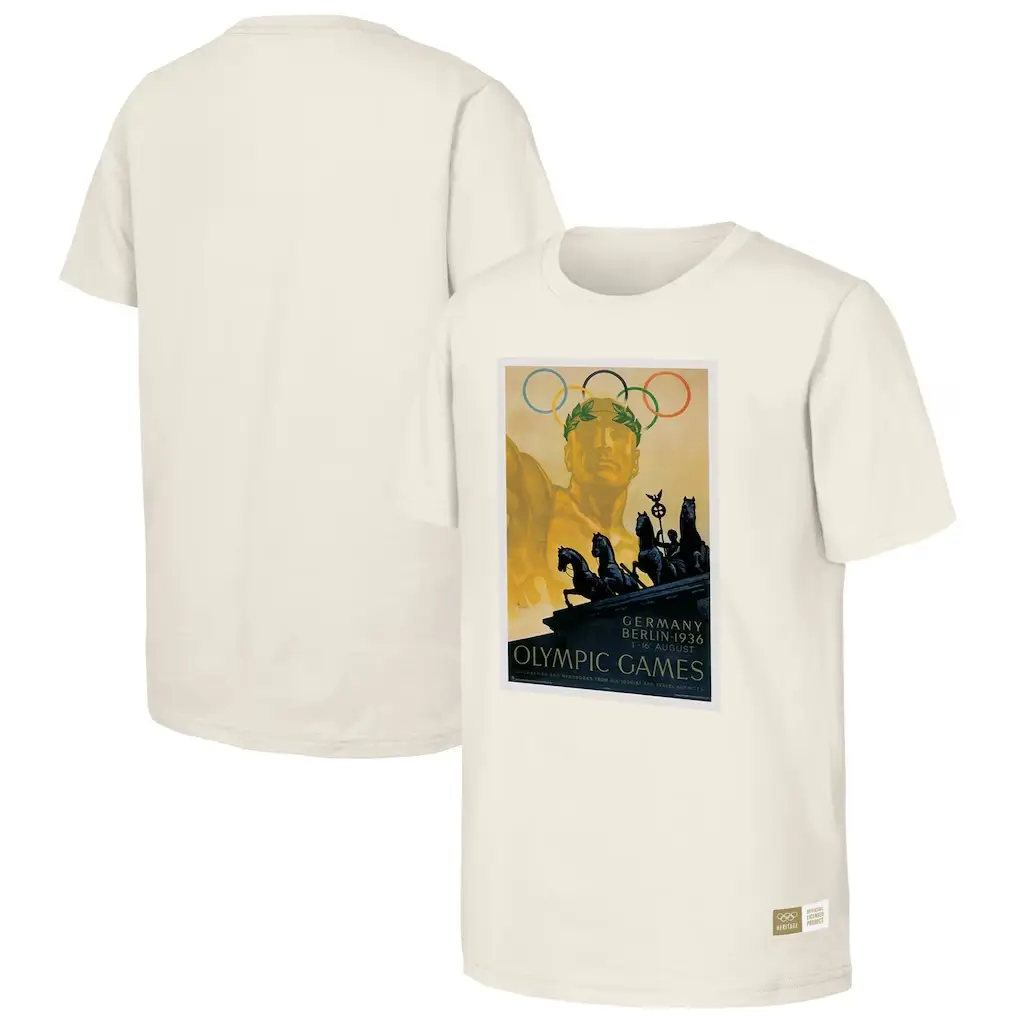
Earlier this week the IOC came under fire after unveiling its 'Heritage Collection' which included various t-shirts featuring Olympic posters from years gone.
The controversy revolved around the decision to include a poster from the 1936 Olympic and Winter Olympic Games, both of which were hosted by Nazi Germany. One shirt features a poster of the Brandenburg gate, designed by Franz Würbel, while the poster from the Garmisch-Partenkirchen Winter Olympics was designed by Nazi propagandist Ludwig Hohlwein – both of which have been controversial.
"The 1936 Olympic Games were a central propaganda tool of the Nazi regime," Klara Schedlich, spokesperson for sports policy for the Green Party faction in the Berlin House of Representatives, told the German press agency, DPA, of the shirts.
Advert
The sale has also been criticised by various Jewish advocacy groups, with Liora Rez, the founder of StopAntisemitism, telling Fox News the designs were a 'shame'.
Now the IOC has defended the decision to release the designs, arguing that it's important to remember the good aspects of the 1936 events.
"The first answer is we cannot rewrite history," IOC spokesman Mark Adams told reporters during a press conference (via Huffpost).
"We need to remember there are also some good aspects to that [Berlin Games]."
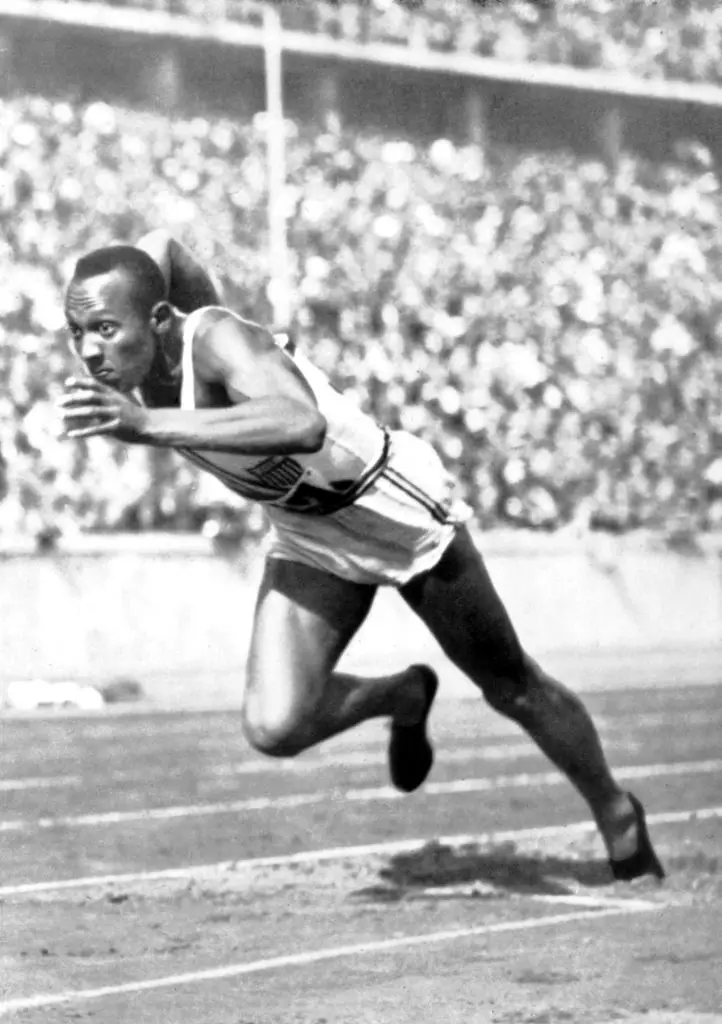
Adams went on to highlight the participation of US sprinter Jesse Owens, an African American athlete who won four gold medals in Berlin.
Owens' achievements, which has led him to be considered one of the greatest track and field athletes in history, meant that he was able to single-handedly disprove Hitler's myths of Aryan supremacy.

"We hold up what Jesse Owens did, and a number of other athletes, as a great example of upholding the Olympic spirit," he added.
Adams also stressed the importance of making use of their IOC's trademarks over the images in order to avoid them being misused or exploited by others.
"The validity of those trademarks depends on us exercising our rights. If we stop using the trademarks they can be taken by other people and potentially misused," he said.
"We produce a small number of those items. The main reason is to protect our copyright so they are not misused."
The IOC has since confirmed t-shirts had a 'limited' release and have since sold out. "While we of course acknowledge the historical issues of "Nazi propaganda" related to the Berlin 1936 Olympic Games, we must also remember that the Games in Berlin saw 4,483 athletes from 49 countries compete in 149 medal events," the statement read (via The Athletic).
"For the 1936 edition, the number of T-shirts produced and sold by the IOC is limited, which is why they are currently sold out."
Topics: Sport, Winter Olympics, Olympics
 Brenna Cooper